
Hey there! As a supplier of Single Sleeve Chimneys, I'm stoked to dive into the awesome customization options available for these bad boys. Single Sleeve Chimneys are a popular choice for various industrial and commercial applications, and the ability to customize them makes them even more versatile. So, let's take a closer look at what you can do to make your Single Sleeve Chimney just right for your needs.
Material Choices
First off, the material you choose for your Single Sleeve Chimney is a big deal. The most common material is stainless steel, and for good reason. Stainless steel is durable, corrosion-resistant, and can withstand high temperatures. It's also easy to clean and maintain, which is a huge plus in any industrial setting. If you're interested in a Stainless Steel Factory Chimney, you can check out Stainless Steel Factory Chimney for more info.
But stainless steel isn't the only option. Depending on your specific requirements, you might also consider other materials like carbon steel or aluminum. Carbon steel is strong and relatively inexpensive, but it may require more maintenance to prevent rusting. Aluminum, on the other hand, is lightweight and has good corrosion resistance, but it may not be as strong as steel. The choice of material will depend on factors such as the type of fuel being burned, the environmental conditions, and your budget.
Size and Dimensions
Another important customization option is the size and dimensions of the Single Sleeve Chimney. The height, diameter, and wall thickness of the chimney can all be tailored to meet your specific needs. A taller chimney can provide better draft and ventilation, which is especially important for larger industrial processes. However, taller chimneys also require more structural support and may be more expensive to install.
The diameter of the chimney is also crucial. A larger diameter can handle more exhaust gases, but it may also take up more space. You'll need to consider the volume of exhaust gases produced by your equipment and choose a diameter that can accommodate them without causing backpressure. Wall thickness is another factor to consider. Thicker walls can provide more strength and durability, but they also add to the weight and cost of the chimney.
Insulation
Insulation is an optional but highly recommended customization for Single Sleeve Chimneys. Insulating the chimney can help reduce heat loss, improve energy efficiency, and prevent condensation inside the chimney. There are several types of insulation materials available, including fiberglass, ceramic fiber, and mineral wool.
Fiberglass insulation is a popular choice because it's relatively inexpensive and easy to install. It's also effective at reducing heat transfer. Ceramic fiber insulation is more expensive but offers better high-temperature resistance. Mineral wool insulation is a good all-around option that provides both thermal and acoustic insulation.
Finish and Coating
The finish and coating of the Single Sleeve Chimney can also be customized. A smooth finish can make the chimney easier to clean and more aesthetically pleasing. You can choose from a variety of finishes, including polished, brushed, or painted.
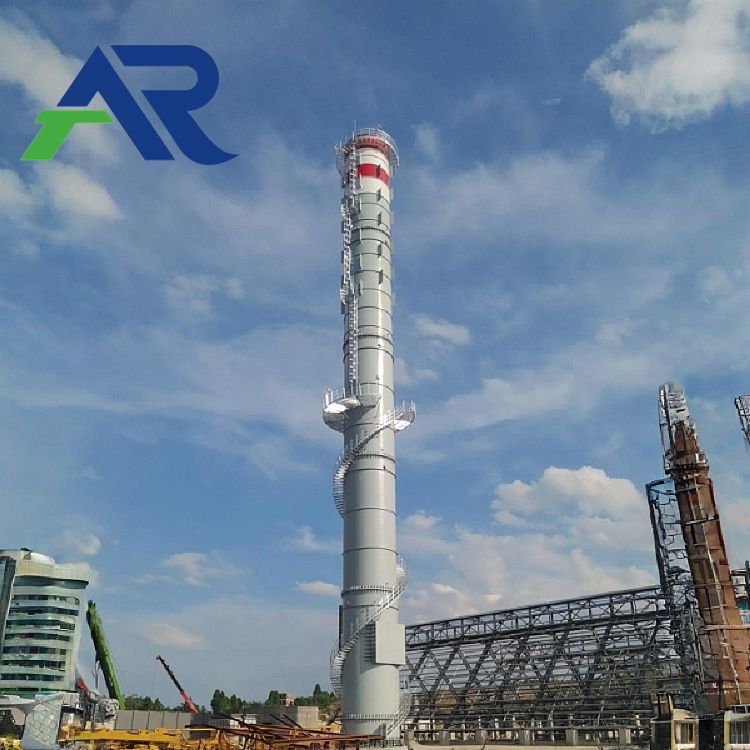
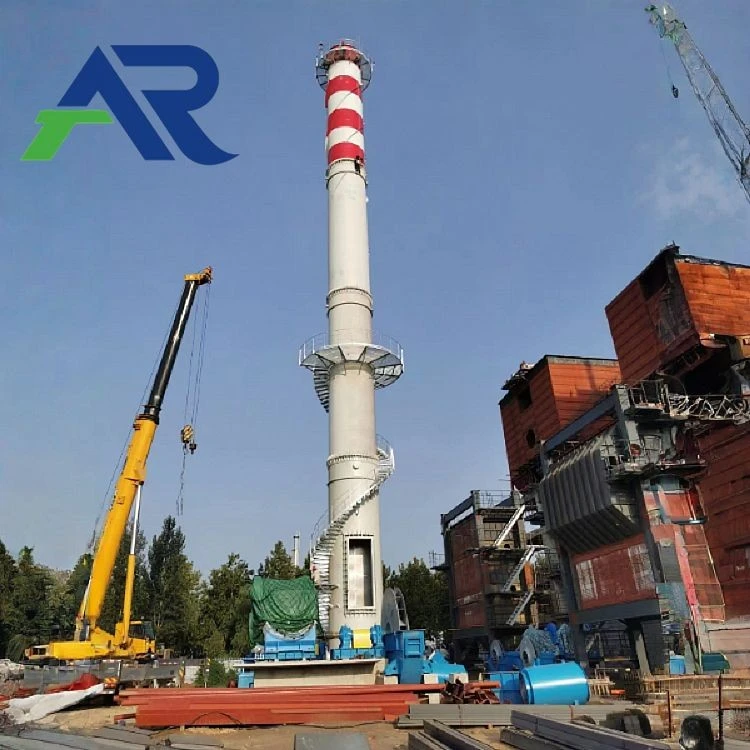
A coating can provide additional protection against corrosion and wear. Some common coatings include epoxy, polyurethane, and zinc. Epoxy coatings are durable and resistant to chemicals, while polyurethane coatings offer good UV resistance. Zinc coatings are often used for corrosion protection in outdoor applications.
Accessories
There are also a number of accessories that you can add to your Single Sleeve Chimney to enhance its functionality and performance. Some common accessories include rain caps, bird guards, inspection ports, and dampers.
A rain cap helps prevent rainwater from entering the chimney, which can cause damage and reduce the efficiency of the chimney. Bird guards are designed to keep birds and other animals from nesting inside the chimney. Inspection ports allow you to easily inspect the inside of the chimney for damage or blockages. Dampers can be used to control the flow of exhaust gases and adjust the draft of the chimney.
Comparison with Multi-sleeve Chimneys
It's worth mentioning that Single Sleeve Chimneys are just one option in the world of industrial chimneys. Another popular option is the Multi-sleeve Chimney. Multi-sleeve chimneys consist of multiple concentric sleeves, which can provide additional insulation and protection. They're often used in applications where there are multiple flues or where there's a need for more precise control of the exhaust gases.
If you're interested in learning more about Multi-sleeve Chimneys, you can check out Multi-sleeve Chimney. However, for many applications, a Single Sleeve Chimney can be a more cost-effective and practical solution.
Conclusion
As you can see, there are a wide range of customization options available for Single Sleeve Chimneys. Whether you're looking for a specific material, size, insulation, finish, or accessories, we can work with you to create a chimney that meets your exact needs. If you're in the market for a Single Sleeve Chimney, I encourage you to check out Single Sleeve Chimney to learn more about our products and services.
If you have any questions or would like to discuss your specific requirements, don't hesitate to reach out. We're here to help you find the perfect Single Sleeve Chimney for your application. Let's get started on creating a customized solution that will meet your needs and exceed your expectations!
References
- Industrial Chimney Design Handbook
- National Fire Protection Association (NFPA) Standards
- American Society of Mechanical Engineers (ASME) Codes