
As a supplier of Traffic Signal Pole Types, I've witnessed firsthand the crucial role these poles play in ensuring road safety. Different types of traffic signal poles come equipped with a variety of safety features that are designed to protect both motorists and pedestrians. In this blog, we'll explore the safety features of various traffic signal pole types and understand how they contribute to a safer traffic environment.
Cantilever Traffic Signal Poles
Cantilever traffic signal poles are commonly used at intersections where signals need to be suspended over multiple lanes of traffic. These poles are characterized by a horizontal arm that extends over the roadway, allowing signals to be positioned precisely where they are needed. One of the primary safety features of cantilever poles is their ability to provide clear visibility of traffic signals from all angles. By suspending the signals above the traffic flow, these poles ensure that drivers can easily see the signals, even in congested traffic conditions.
Another important safety feature of cantilever poles is their structural strength. These poles are designed to withstand high winds, heavy snow loads, and other environmental factors. They are typically made of steel or aluminum, which are strong and durable materials that can resist corrosion and damage. The horizontal arm of the cantilever pole is also engineered to support the weight of the traffic signals and any additional equipment, such as cameras or sensors, without bending or breaking.
In addition to their visibility and structural strength, cantilever poles often come equipped with safety lighting. This lighting can be used to illuminate the signals at night, making them more visible to drivers. Some cantilever poles also have reflective strips or markers that help to increase their visibility during the day, especially in low-light conditions.
Mast Arm Traffic Signal Poles
Mast arm traffic signal poles are similar to cantilever poles, but they have a shorter horizontal arm that extends from a vertical pole. These poles are commonly used at smaller intersections or in areas where space is limited. Like cantilever poles, mast arm poles are designed to provide clear visibility of traffic signals. The shorter arm allows the signals to be positioned closer to the roadway, which can improve visibility for drivers.
One of the key safety features of mast arm poles is their flexibility. These poles can be adjusted to different heights and angles, allowing traffic signals to be positioned precisely where they are needed. This flexibility ensures that the signals are visible to drivers from all lanes of traffic, regardless of the size or shape of the intersection.
Mast arm poles also have a number of safety features that are designed to protect against damage. For example, many mast arm poles are equipped with breakaway bases, which are designed to break away in the event of a collision. This helps to reduce the risk of injury to motorists and pedestrians by preventing the pole from falling onto the roadway. Additionally, some mast arm poles have anti-climbing devices, which help to prevent unauthorized access to the signals and other equipment.
Pedestrian Traffic Signal Poles
Pedestrian traffic signal poles are specifically designed to provide clear and visible signals to pedestrians. These poles are typically shorter than other types of traffic signal poles and are often located at crosswalks or other areas where pedestrians need to cross the road. One of the primary safety features of pedestrian traffic signal poles is their use of high-visibility colors and symbols. These poles are usually painted in bright colors, such as yellow or green, and are marked with pedestrian-friendly symbols, such as walking figures or stop signs.
Another important safety feature of pedestrian traffic signal poles is their use of audible signals. These signals can be used to alert pedestrians who are visually impaired or otherwise unable to see the signals. Audible signals can include beeps, chirps, or spoken messages that indicate when it is safe to cross the road.
Pedestrian traffic signal poles also often come equipped with push buttons that allow pedestrians to request a signal change. These buttons are typically located at a convenient height and are easy to use. By allowing pedestrians to control the signal, these poles help to ensure that they have enough time to cross the road safely.
Smart Light Poles
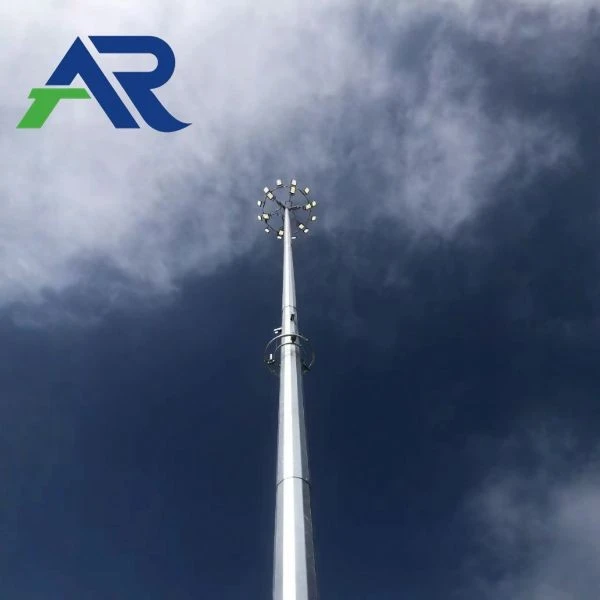
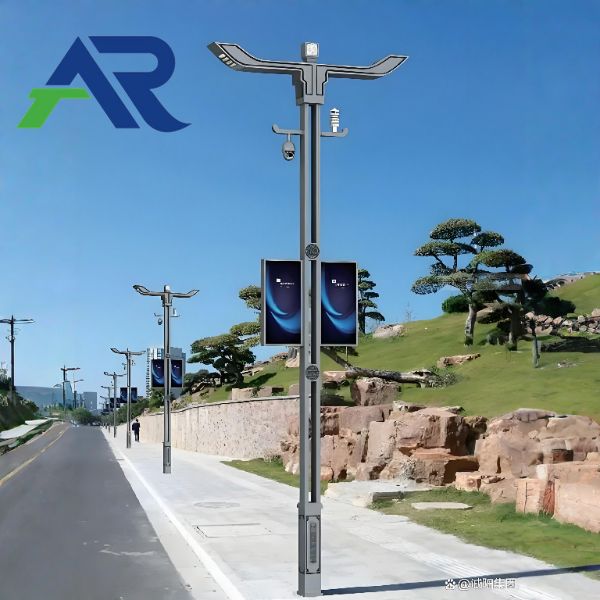
Smart Light Poles, such as those available at Smart Light Pole, are a new type of traffic signal pole that combines traditional lighting with advanced technology. These poles are equipped with sensors, cameras, and other devices that can collect data about traffic patterns, weather conditions, and other factors. This data can be used to optimize traffic flow, improve safety, and reduce energy consumption.
One of the key safety features of smart light poles is their ability to adjust the lighting based on the time of day and the amount of traffic. For example, the poles can be programmed to dim the lights during off-peak hours or to increase the brightness during periods of heavy traffic. This helps to improve visibility for drivers and pedestrians, while also reducing energy consumption.
Smart light poles also often come equipped with emergency notification systems. These systems can be used to alert motorists and pedestrians of potential hazards, such as accidents, road closures, or severe weather conditions. The notifications can be sent via text message, email, or other means, and can include detailed information about the hazard and the recommended course of action.
Municipal Light Poles
Municipal Light Poles, like those found at Municipal Light Pole, are used in a variety of applications, including street lighting, traffic control, and public safety. These poles are typically made of high-quality materials, such as steel or aluminum, and are designed to withstand the rigors of daily use.
One of the primary safety features of municipal light poles is their ability to provide adequate lighting. These poles are equipped with high-intensity lights that can illuminate large areas of the roadway, making it easier for drivers to see and navigate. The lights are also designed to be energy-efficient, which helps to reduce operating costs and environmental impact.
Municipal light poles also often come equipped with safety features that are designed to protect against damage. For example, many municipal light poles are equipped with breakaway bases, which are designed to break away in the event of a collision. This helps to reduce the risk of injury to motorists and pedestrians by preventing the pole from falling onto the roadway. Additionally, some municipal light poles have anti-climbing devices, which help to prevent unauthorized access to the lights and other equipment.
Conclusion
In conclusion, different types of traffic signal poles come equipped with a variety of safety features that are designed to protect both motorists and pedestrians. From the clear visibility provided by cantilever and mast arm poles to the high-visibility colors and audible signals used in pedestrian traffic signal poles, each type of pole plays a crucial role in ensuring road safety. Smart Light Poles and Municipal Light Poles also offer advanced safety features, such as adjustable lighting and emergency notification systems, that help to improve traffic flow and reduce the risk of accidents.
If you're in the market for Traffic Signal Pole Types, I encourage you to explore the options available at Traffic Signal Pole Types. Our team of experts can help you choose the right type of pole for your specific needs and ensure that it is installed and maintained properly. Contact us today to learn more about our products and services and to start a discussion about your traffic signal pole requirements.
References
- Federal Highway Administration. (n.d.). Traffic Signal Design Handbook. Retrieved from [Website URL]
- Institute of Transportation Engineers. (n.d.). Traffic Engineering Handbook. Retrieved from [Website URL]
- National Electrical Manufacturers Association. (n.d.). Standards for Traffic Signal Poles. Retrieved from [Website URL]