

Hey there! As a supplier of Single Sleeve Chimneys, I've been getting a bunch of questions lately about the regulations for using these chimneys in high - rise buildings. So, I thought I'd put together this blog post to shed some light on the topic.
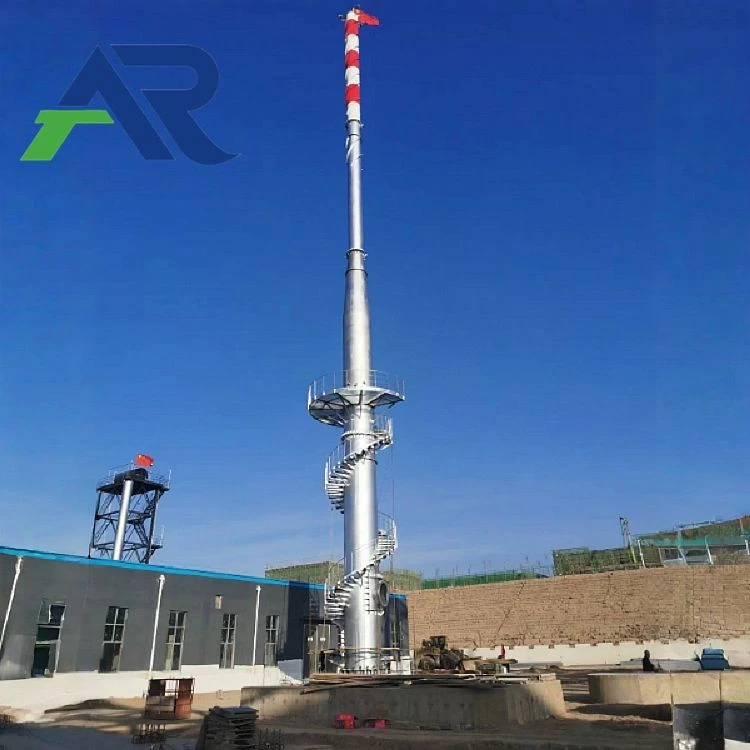
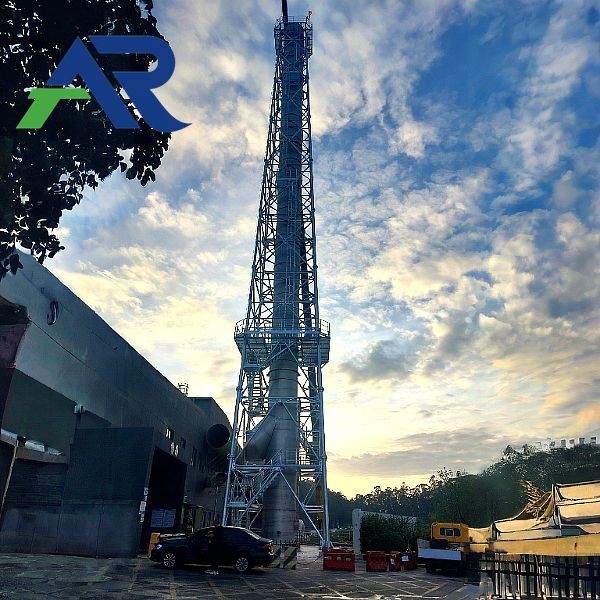
Let's start by understanding what a Single Sleeve Chimney is. If you want to know more about it, you can check out this link: Single Sleeve Chimney. It's a type of chimney that has a single flue or passage for the exhaust gases to travel through. It's commonly used in various industrial and commercial settings, and sometimes even in high - rise buildings.
When it comes to high - rise buildings, safety is the number one concern. That's why there are strict regulations in place for using any kind of chimney, including single sleeve ones.
Building Codes and Standards
Most countries and regions have their own building codes and standards that govern the installation and use of chimneys in high - rise buildings. These codes are designed to ensure the safety of the building's occupants and the surrounding environment.
For example, the chimney must be made of materials that can withstand high temperatures and corrosive gases. Stainless steel is a popular choice for chimney construction because of its durability and resistance to corrosion. You can learn more about stainless steel factory chimneys here: Stainless Steel Factory Chimney.
The codes also specify the minimum distance that the chimney must be from other structures, such as walls, windows, and roofs. This is to prevent heat transfer and the risk of fire. In high - rise buildings, the chimney may need to be installed in a dedicated shaft or enclosure to meet these requirements.
Ventilation Requirements
Proper ventilation is crucial for the safe operation of a single sleeve chimney in a high - rise building. The chimney must be able to effectively remove the exhaust gases from the building without causing any back - drafting or air pollution.
The ventilation system should be designed to provide enough air flow to ensure complete combustion of the fuel. This means that there must be a sufficient supply of fresh air to the combustion chamber and a proper exhaust path for the gases.
In high - rise buildings, the ventilation system may need to be more complex because of the height and the potential for wind effects. The chimney may need to be equipped with a draft inducer or a stack effect booster to ensure proper air flow.
Fire Safety
Fire safety is another major concern when using a single sleeve chimney in a high - rise building. The chimney must be installed with proper fire - stopping materials to prevent the spread of fire through the chimney shaft.
The chimney should also be inspected and cleaned regularly to remove any soot or debris that could pose a fire hazard. In addition, there should be a fire suppression system in place, such as a sprinkler system or a fire extinguisher, near the chimney.
Structural Integrity
The chimney in a high - rise building must be structurally sound to withstand the forces of wind, seismic activity, and the weight of the chimney itself. The design and installation of the chimney should take into account the building's structural characteristics and the local environmental conditions.
Engineers may need to perform calculations to ensure that the chimney can support its own weight and any additional loads, such as snow or ice. The chimney may also need to be anchored securely to the building's structure to prevent it from tipping over or being damaged during extreme weather conditions.
Comparison with Multi - sleeve Chimneys
It's also worth comparing single sleeve chimneys with Multi - sleeve Chimney. Multi - sleeve chimneys have multiple flues, which can be used for different purposes, such as venting different types of fuels or exhaust gases.
In some cases, a multi - sleeve chimney may be more suitable for a high - rise building because it can provide better separation of the exhaust gases and reduce the risk of cross - contamination. However, single sleeve chimneys are often more cost - effective and easier to install.
Installation and Maintenance
Proper installation and maintenance are essential for the safe and efficient operation of a single sleeve chimney in a high - rise building. The installation should be carried out by a qualified professional who is familiar with the local building codes and regulations.
During the installation process, the chimney should be carefully aligned and sealed to prevent any leaks. After installation, regular maintenance should be performed, including inspections, cleaning, and repairs as needed.
Conclusion
In conclusion, using a single sleeve chimney in a high - rise building requires strict adherence to various regulations and standards. These regulations are in place to ensure the safety of the building's occupants, the surrounding environment, and the structural integrity of the building.
As a supplier of Single Sleeve Chimneys, I understand the importance of these regulations and can provide you with high - quality chimneys that meet all the necessary requirements. If you're interested in purchasing a single sleeve chimney for your high - rise building or have any questions about the regulations, feel free to get in touch with me. We can discuss your specific needs and find the best solution for you.
References
- Local building codes and standards of relevant regions
- Industry guidelines for chimney installation and operation
- Research papers on fire safety and ventilation in high - rise buildings