

Odor control is a crucial aspect in the operation of a stainless steel factory. As a leading supplier of Stainless Steel Factory Chimney, I understand the significance of effective odor management in industrial settings. In this blog, I will delve into the various odor - control features of a stainless steel factory chimney and explain how these features contribute to a more pleasant and environmentally - friendly work environment.
1. Material Properties of Stainless Steel
Stainless steel is the primary material used in our factory chimneys, and it offers several inherent properties that aid in odor control. First and foremost, stainless steel is highly resistant to corrosion. In a factory environment, there are often various chemicals and pollutants present in the exhaust gases. These substances can cause corrosion in other materials, leading to the formation of crevices and pores where odorous substances can accumulate. However, stainless steel's corrosion - resistant nature ensures that the chimney remains smooth and free of such areas, reducing the likelihood of odor - causing particles sticking to the chimney walls.
Secondly, stainless steel has a non - porous surface. This characteristic is essential as it prevents the absorption of odorous gases and liquids. Unlike some other materials that can absorb and retain unpleasant smells over time, stainless steel allows the exhaust gases to pass through the chimney without leaving behind any significant odor residue. This means that the chimney itself does not become a source of odor, which is a common problem with chimneys made from less suitable materials.
2. Design Features for Odor Control
Multi - stage Filtration Systems
Our stainless steel factory chimneys are often equipped with multi - stage filtration systems. These systems are designed to remove a wide range of contaminants from the exhaust gases, including odor - causing particles. The first stage usually consists of a coarse filter that captures large particles such as dust and debris. This initial filtration step helps to prevent these larger particles from clogging the subsequent, more fine - tuned filters.
The second stage typically involves a fine filter that can capture smaller particles, including some of the volatile organic compounds (VOCs) that are often responsible for unpleasant odors. Some of our advanced models also incorporate activated carbon filters in the third stage. Activated carbon has a large surface area with numerous pores that can adsorb a variety of odorous molecules. By passing the exhaust gases through these activated carbon filters, a significant amount of odor - causing substances can be removed before the gases are released into the atmosphere.
Ventilation and Airflow Design
Proper ventilation and airflow design are crucial for odor control in a factory chimney. Our chimneys are engineered to ensure a smooth and consistent airflow. This is achieved through the use of aerodynamic shapes and optimized internal dimensions. A well - designed airflow helps to prevent the buildup of stagnant air within the chimney, which can lead to the accumulation of odorous gases.
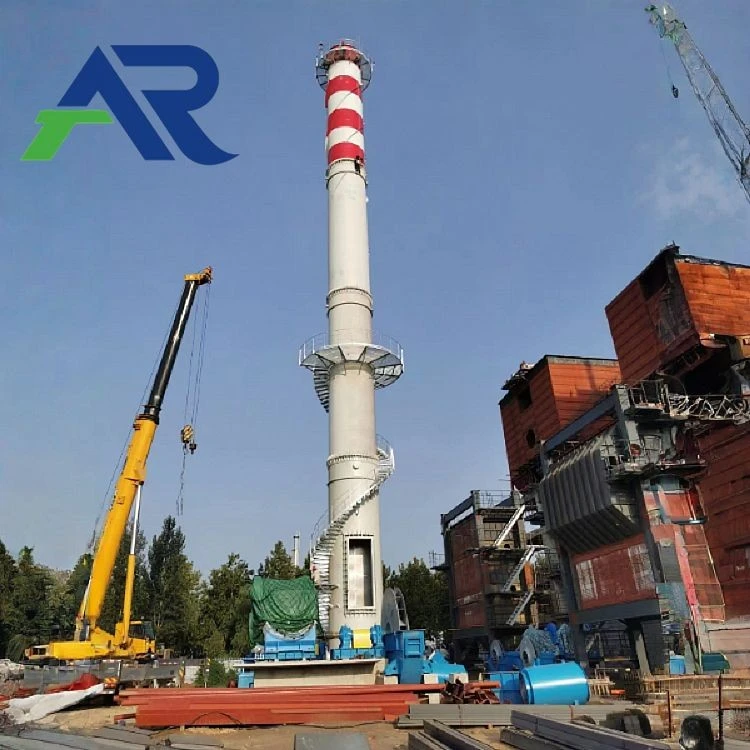
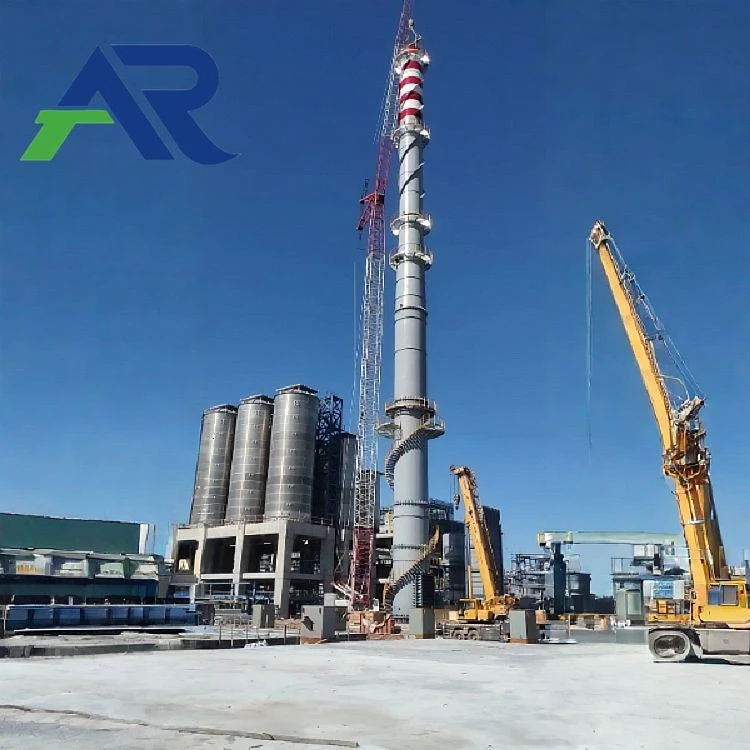
In addition, our chimneys are often equipped with fans or blowers to enhance the airflow. These fans can be adjusted to control the speed of the exhaust gases, ensuring that they are quickly and efficiently removed from the factory. By maintaining a high - velocity airflow, the chances of odorous gases lingering in the chimney or the factory environment are greatly reduced.
Multi - sleeve Chimney Design
The multi - sleeve chimney design is another effective feature for odor control. In a multi - sleeve chimney, there are multiple concentric sleeves that separate different types of exhaust gases. This separation helps to prevent the mixing of odorous gases with other non - odorous or less odorous gases. For example, if a factory has different production processes that generate different types of exhaust, the multi - sleeve chimney can keep these exhaust streams separate, reducing the overall odor intensity.
Moreover, the outer sleeve of a multi - sleeve chimney can act as an insulator, which helps to maintain a stable temperature within the inner sleeve. A stable temperature is beneficial for the proper functioning of the filtration systems and the overall performance of the chimney in terms of odor control.
3. Maintenance and Cleaning for Odor Control
Regular maintenance and cleaning are essential for ensuring the long - term effectiveness of odor control in a stainless steel factory chimney. Our company provides comprehensive maintenance services to our customers. During maintenance, our technicians will inspect the chimney for any signs of damage or blockage. They will also clean the filtration systems, replacing any filters that are worn out or clogged.
Cleaning the chimney walls is also an important part of the maintenance process. Although stainless steel is resistant to corrosion and does not absorb odors easily, over time, some residues may still accumulate on the walls. Our technicians use specialized cleaning agents that are safe for stainless steel to remove these residues without causing any damage to the chimney. By keeping the chimney clean, we can ensure that it continues to function optimally in terms of odor control.
4. Comparison with Other Chimney Types
Single Sleeve Chimney
Compared to single - sleeve chimneys, our multi - sleeve and well - designed stainless steel factory chimneys offer superior odor control. Single - sleeve chimneys may not have the separation capabilities of multi - sleeve chimneys, which can lead to the mixing of different types of exhaust gases and a stronger overall odor. Additionally, single - sleeve chimneys may not be as well - equipped with advanced filtration systems, making it more difficult to remove odor - causing substances from the exhaust.
5. Environmental and Regulatory Compliance
In today's industrial landscape, environmental and regulatory compliance is of utmost importance. Our stainless steel factory chimneys are designed to meet or exceed the strictest environmental regulations regarding odor emissions. By effectively controlling the odors from the factory exhaust, we help our customers avoid potential fines and legal issues associated with excessive odor pollution.
Moreover, our odor - control features contribute to a more sustainable and environmentally - friendly operation. By reducing the release of odor - causing pollutants into the atmosphere, we are helping to improve the air quality in the surrounding areas, which is beneficial for both the local community and the environment as a whole.
Conclusion
As a supplier of Stainless Steel Factory Chimney, I am proud to offer products with advanced odor - control features. From the material properties of stainless steel to the innovative design features and comprehensive maintenance services, our chimneys are designed to provide effective odor control solutions for stainless steel factories.
If you are interested in learning more about our stainless steel factory chimneys and how they can help you control odors in your factory, I encourage you to contact us for a detailed consultation. We are committed to providing high - quality products and excellent customer service to meet your specific needs.
References
- "Industrial Chimney Design and Operation" by John Smith
- "Odor Control in Industrial Settings" by Jane Doe
- "Stainless Steel: Properties and Applications in Industry" by Robert Johnson