
Hey there! As a supplier of Stainless Steel Factory Chimney, I've got a ton of knowledge about these bad boys. Today, I'm gonna dive deep into the insulation properties of stainless steel factory chimneys.
Let's start with the basics. Why do we even need insulation in a factory chimney? Well, it's all about efficiency and safety. A well - insulated chimney can help maintain the right temperature of the flue gases inside. When the flue gases are at an optimal temperature, it reduces the risk of condensation. Condensation in a chimney can be a real pain. It can lead to corrosion of the chimney walls, which shortens the chimney's lifespan and can also cause blockages in the flue.
Now, let's talk about the types of stainless steel factory chimneys and how their insulation works. There are mainly two types: Single Sleeve Chimney and Multi - sleeve Chimney.
Single Sleeve Chimney Insulation
A single sleeve chimney is the more basic type. It consists of a single layer of stainless steel. The insulation in a single sleeve chimney is usually done on the outside. The most common insulation materials used are mineral wool or ceramic fiber.
Mineral wool is a popular choice because it's relatively inexpensive and has good thermal insulation properties. It's made from natural minerals like basalt or diabase. These minerals are melted and then spun into fibers. The fibers trap air, which is a poor conductor of heat. This air - filled structure helps to slow down the transfer of heat from the inside of the chimney to the outside environment.
Ceramic fiber, on the other hand, is a bit more high - tech. It can withstand much higher temperatures than mineral wool. It's often used in industrial settings where the flue gases are extremely hot. Ceramic fiber insulation is made from alumina - silica fibers. These fibers have a very low thermal conductivity, which means they're great at keeping the heat inside the chimney.
However, single sleeve chimneys do have their limitations. Since the insulation is on the outside, it's exposed to the elements. Rain, snow, and strong winds can damage the insulation over time. Also, if the chimney is installed in an area with high humidity, the insulation can absorb moisture, which reduces its effectiveness.
Multi - sleeve Chimney Insulation
Multi - sleeve chimneys are a step up from single sleeve ones. They have multiple layers of stainless steel, with insulation sandwiched in between. This design offers better insulation and protection.
The inner sleeve of a multi - sleeve chimney is in direct contact with the flue gases. It's made of high - grade stainless steel that can withstand the high temperatures and corrosive nature of the gases. The outer sleeve provides additional protection from the environment.
The insulation in a multi - sleeve chimney is usually a combination of different materials. For example, the inner layer might be ceramic fiber for high - temperature resistance, and the outer layer could be mineral wool for additional thermal insulation and cost - effectiveness.
One of the big advantages of multi - sleeve chimneys is that the insulation is protected from the outside environment. The outer sleeve acts as a shield, preventing rain, snow, and wind from damaging the insulation. This means the insulation stays effective for a longer time, and the chimney requires less maintenance.
Another benefit is that multi - sleeve chimneys can be more energy - efficient. The multiple layers of insulation and stainless steel create a thermal barrier that reduces heat loss. This not only saves energy but also reduces the overall operating costs of the factory.
Factors Affecting Insulation Properties
There are several factors that can affect the insulation properties of a stainless steel factory chimney.
Temperature of Flue Gases: The higher the temperature of the flue gases, the more demanding the insulation requirements. If the gases are extremely hot, you'll need insulation materials that can withstand those high temperatures, like ceramic fiber.
Environmental Conditions: As I mentioned earlier, the environment where the chimney is installed plays a big role. In a cold climate, you'll need better insulation to prevent heat loss. In a humid area, you'll need to choose insulation materials that are resistant to moisture.
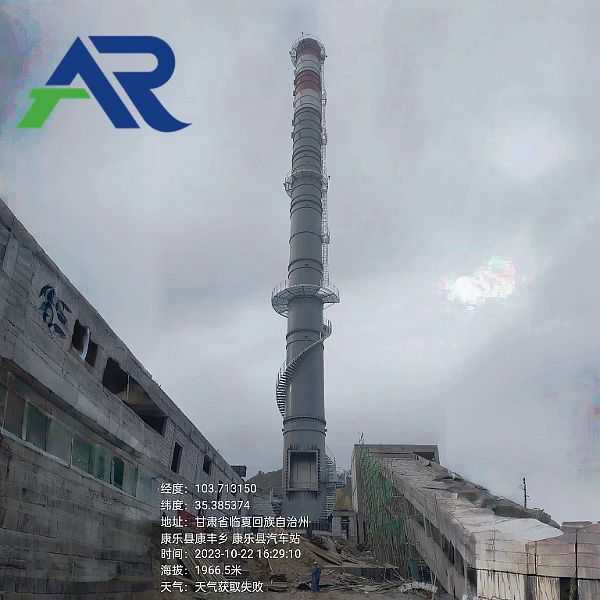
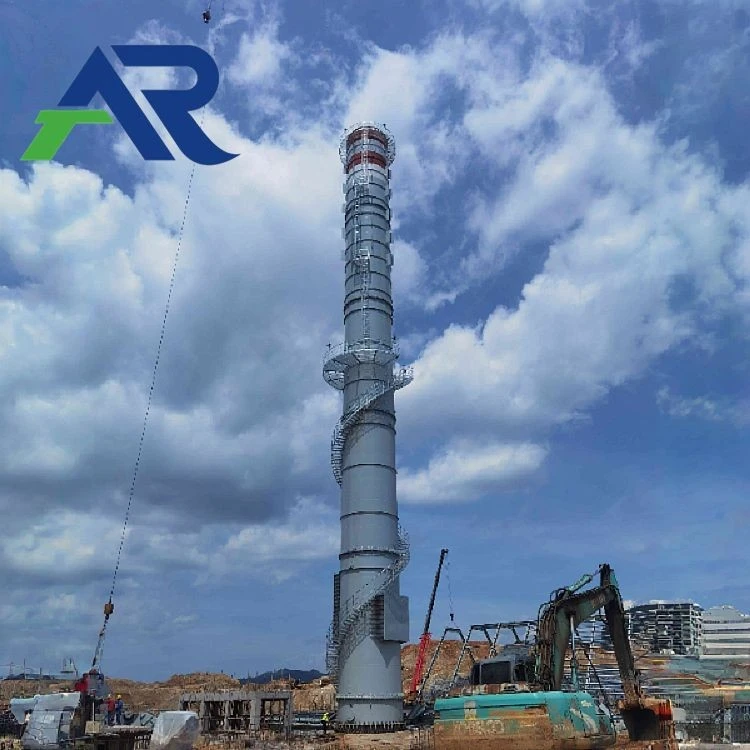
Chimney Size and Shape: The size and shape of the chimney can also affect insulation. A larger chimney will have more surface area, which means more heat can be lost. Similarly, a chimney with a complex shape might have areas where the insulation is less effective.
Testing and Quality Control
At our company, we take insulation properties very seriously. We conduct rigorous testing on all our chimneys to ensure they meet the highest standards.
We use thermal imaging cameras to detect any areas of heat loss in the chimney. This allows us to identify any weaknesses in the insulation and make the necessary adjustments. We also test the insulation materials for their thermal conductivity, density, and moisture resistance.
Quality control is an ongoing process. We work closely with our suppliers to ensure that the raw materials used in the insulation are of the highest quality. And we have a team of experts who inspect every chimney before it leaves our factory.
Benefits of Good Insulation
Investing in a well - insulated stainless steel factory chimney has many benefits.
Energy Savings: By reducing heat loss, a well - insulated chimney can save a significant amount of energy. This means lower fuel costs for the factory, which is great for the bottom line.
Longer Lifespan: Good insulation protects the chimney walls from corrosion and damage. This extends the lifespan of the chimney, reducing the need for frequent replacements.
Safety: Insulation helps to keep the outer surface of the chimney cool. This reduces the risk of fires and burns, making the workplace safer for employees.
Conclusion
So, there you have it! The insulation properties of stainless steel factory chimneys are crucial for the efficiency, safety, and longevity of the chimney. Whether you choose a single sleeve or multi - sleeve chimney, it's important to understand the different insulation materials and how they work.
If you're in the market for a stainless steel factory chimney, don't hesitate to reach out. We're here to help you choose the right chimney for your specific needs. Whether it's a small factory or a large industrial complex, we've got the expertise and products to meet your requirements. Contact us today to start the procurement process and let's work together to find the perfect chimney solution for your factory.
References
- "Industrial Chimney Design and Construction" - A technical guide on chimney design, including insulation aspects.
- "Thermal Insulation Materials: Properties and Applications" - A comprehensive study on different insulation materials used in industrial settings.