

Hey there! As a supplier of Steel Corrugated Culverts, I've been in the business for quite some time. And one question that often comes up is, "What are the inspection methods for steel corrugated culverts?" Well, I'm here to break it down for you.
Visual Inspection
Let's start with the most basic method: visual inspection. This is like the first line of defense when it comes to checking steel corrugated culverts. You don't need any fancy equipment for this one. All you need is a good pair of eyes and maybe a flashlight if you're inspecting a dark or hard - to - reach area.
When you're doing a visual inspection, you're looking for obvious signs of damage. This includes things like cracks in the steel. Cracks can start small, but if left unchecked, they can grow and compromise the structural integrity of the culvert. You should also look for any signs of corrosion. Corrosion is the enemy of steel, and it can eat away at the material over time. Rust spots are a clear indication of corrosion, and you need to pay close attention to areas where the paint or coating has been chipped or scratched.
Another thing to look for during a visual inspection is deformation. The corrugations in the culvert should be uniform. If you notice any areas where the corrugations are flattened or misshapen, it could be a sign of excessive stress or damage. You might also want to check the joints between sections of the culvert. Loose or misaligned joints can lead to leaks and other problems down the road.
Dimensional Inspection
Dimensional inspection is another important method. You need to make sure that the steel corrugated culvert meets the specified dimensions. This includes the diameter, length, and the height and spacing of the corrugations.
To measure the diameter, you can use a tape measure or a caliper. The diameter should be within the tolerance range specified in the design. If the diameter is too large or too small, it can affect the flow of water or other materials through the culvert.
Measuring the length is also crucial. The culvert should be the correct length to fit the installation site. You can use a long tape measure to check the length, and make sure it matches the plans.
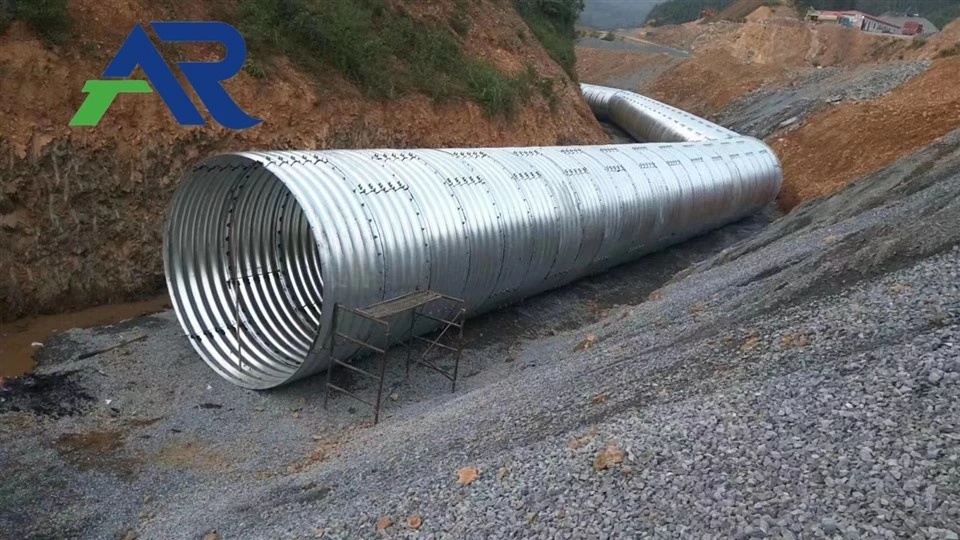
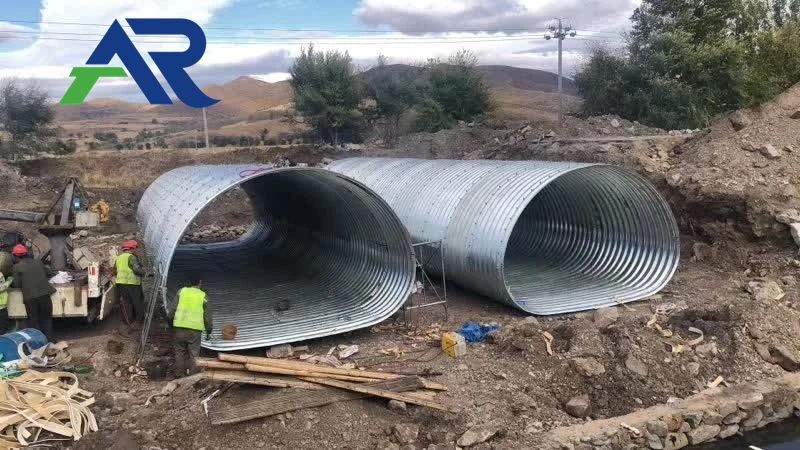
When it comes to the corrugations, you need to measure their height and spacing. These dimensions are important because they affect the strength and flexibility of the culvert. You can use a ruler or a specialized measuring tool to check these dimensions. If the corrugations are not the right height or spacing, it can weaken the culvert and make it more prone to damage.
Material Testing
Material testing is a more in - depth inspection method. It involves taking samples of the steel and testing them to determine their properties. This can include testing for the chemical composition, tensile strength, and hardness of the steel.
Chemical composition testing is important because it can tell you what elements are present in the steel. Different elements can affect the strength, corrosion resistance, and other properties of the steel. For example, if the steel has too much sulfur, it can make the steel brittle.
Tensile strength testing measures how much force the steel can withstand before it breaks. This is a critical property, especially for culverts that will be under a lot of stress. You can use a tensile testing machine to perform this test.
Hardness testing is also important. It measures how resistant the steel is to indentation or scratching. A harder steel is generally more resistant to wear and tear. You can use a hardness tester to check the hardness of the steel.
Non - Destructive Testing (NDT)
Non - destructive testing methods are great because they allow you to inspect the culvert without causing any damage. There are several NDT methods that can be used for steel corrugated culverts.
One common NDT method is ultrasonic testing. This method uses high - frequency sound waves to detect internal flaws in the steel. The sound waves are sent into the steel, and if there are any flaws, such as cracks or voids, the waves will bounce back differently. An ultrasonic testing device can then analyze these reflections to determine the location and size of the flaws.
Another NDT method is magnetic particle testing. This method is used to detect surface and near - surface flaws in ferromagnetic materials, like steel. A magnetic field is applied to the steel, and then magnetic particles are sprinkled on the surface. If there are any flaws, the magnetic field will be disrupted, and the particles will accumulate at the flaw site, making it visible.
Radiographic testing is also an option. It uses X - rays or gamma rays to create an image of the internal structure of the steel. This method can detect internal flaws, such as cracks, porosity, and inclusions. However, it requires special equipment and trained operators, and it also involves some safety risks due to the use of radiation.
Leak Testing
Leak testing is important, especially if the culvert is used to carry water or other fluids. There are several ways to perform leak testing.
One simple method is the water test. You can fill the culvert with water and then check for any signs of leakage. You can look for water seepage around the joints, cracks, or any other areas of the culvert. If you notice any leaks, you need to repair them immediately.
Another method is the pressure test. This involves pressurizing the culvert with air or water and then monitoring the pressure. If the pressure drops over time, it could be a sign of a leak. You can use a pressure gauge to measure the pressure and keep track of any changes.
Why These Inspections Matter
You might be wondering why all these inspections are so important. Well, for starters, proper inspection ensures the safety and reliability of the steel corrugated culvert. A well - inspected culvert is less likely to fail, which can prevent accidents and costly repairs.
It also helps to meet the regulatory requirements. Many local and national regulations require that culverts be inspected regularly to ensure they meet certain standards. By conducting these inspections, you can make sure that your culvert complies with all the relevant regulations.
Moreover, inspections can help you identify problems early on. Catching a small crack or a sign of corrosion before it becomes a major issue can save you a lot of time and money in the long run.
Contact Us for Your Steel Corrugated Culvert Needs
If you're in the market for a high - quality Steel Corrugated Culvert, look no further. We're a leading supplier with years of experience in the industry. We offer a wide range of culverts, including Wind Tower Foundation Corrugated Outer Tube and Corrugated Pipe for Coal Mine Corridor. Our products are made from top - quality steel and are thoroughly inspected using all the methods I've mentioned above.
We understand the importance of providing reliable and durable culverts, and we're committed to meeting your needs. Whether you're working on a small project or a large - scale infrastructure development, we can provide the right culvert for you. So, if you're interested in purchasing our products or have any questions about steel corrugated culverts, don't hesitate to reach out. Let's start a conversation about your project and find the best solution together.
References
- ASCE (American Society of Civil Engineers). "Standard Practice for Installation of Corrugated Metal Pipe, Pipe - Arch, and Arches."
- ASTM (American Society for Testing and Materials). Various standards related to steel materials and testing methods.
- Manufacturer's guidelines for steel corrugated culverts.