

As a supplier of Communication Tower Building, I've witnessed firsthand the growing importance of energy efficiency in the industry. With the increasing demand for communication services and the rising concerns about environmental sustainability, implementing energy - efficient measures for communication tower buildings has become not only a necessity but also a strategic advantage.
1. Energy - efficient Equipment Selection
One of the most fundamental steps in enhancing energy efficiency is the careful selection of equipment. When it comes to communication tower buildings, the choice of transmitters, receivers, and other communication devices can significantly impact energy consumption.

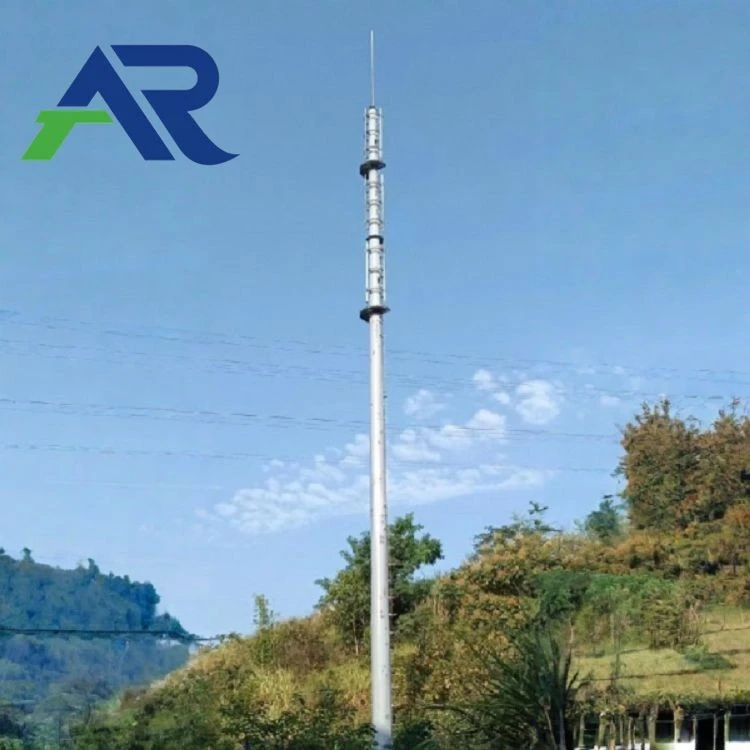
Modern communication equipment is designed to be more energy - efficient than its predecessors. For example, some advanced transmitters use intelligent power management systems that adjust the power output based on the actual demand. This means that when there is less traffic or a lower need for signal strength, the transmitter consumes less power. As a supplier, we recommend our clients to invest in such state - of - the - art equipment. For instance, some manufacturers offer transmitters with power - saving modes that can reduce energy consumption by up to 30% during off - peak hours.
In addition to communication devices, the choice of lighting systems in the tower building also matters. Traditional incandescent bulbs are highly inefficient as they convert a large portion of energy into heat rather than light. LED lighting, on the other hand, is a much more energy - efficient alternative. LEDs can last up to 25 times longer than incandescent bulbs and use up to 80% less energy. By replacing all the lighting in the communication tower building with LED lights, significant energy savings can be achieved.
2. Optimized Site Design
The design of the communication tower building site plays a crucial role in energy efficiency. A well - designed site can reduce the need for excessive heating, cooling, and artificial lighting.
Firstly, the orientation of the tower building can be optimized to take advantage of natural sunlight. By positioning the building in a way that allows for maximum sunlight exposure during the winter months and minimum exposure during the summer months, the reliance on heating and cooling systems can be reduced. For example, large windows can be installed on the south - facing side of the building to let in sunlight in winter, while overhangs or shading devices can be added to block the sun in summer.
Secondly, proper insulation is essential. Good insulation in the walls, roof, and floors of the communication tower building can prevent heat transfer, keeping the interior cool in summer and warm in winter. This reduces the energy required to maintain a comfortable temperature inside the building. High - quality insulation materials, such as spray foam insulation, can provide excellent thermal resistance and help save a significant amount of energy over time.
3. Renewable Energy Integration
Renewable energy sources offer a sustainable and cost - effective way to power communication tower buildings. Solar panels and wind turbines are two of the most commonly used renewable energy technologies in this context.
Solar panels can be installed on the roof or around the base of the communication tower building. They convert sunlight into electricity, which can be used to power the communication equipment and other electrical systems in the building. In regions with abundant sunlight, solar power can meet a significant portion of the building's energy needs. For example, in some sunny areas, a well - sized solar panel system can provide up to 50% of the total energy consumption of a communication tower building.
Wind turbines can also be a viable option, especially in areas with consistent wind patterns. Small - scale wind turbines can be installed near the tower to generate electricity. The power generated by the wind turbine can be stored in batteries for use during periods of low wind or high energy demand. By integrating renewable energy sources, communication tower buildings can reduce their reliance on the grid and lower their carbon footprint.
4. Energy Management Systems
Implementing an energy management system (EMS) is an effective way to monitor and control energy consumption in communication tower buildings. An EMS can collect data on energy usage from various sources, such as communication equipment, lighting, and HVAC systems. It can then analyze this data to identify areas of high energy consumption and suggest optimization strategies.
For example, an EMS can detect if a particular piece of communication equipment is consuming more energy than normal and alert the maintenance team. It can also control the operation of lighting and HVAC systems based on occupancy and time of day. For instance, the lights can be automatically turned off in unoccupied areas, and the HVAC system can be set to a lower power mode during off - peak hours.
Some advanced EMSs also use artificial intelligence and machine learning algorithms to predict energy consumption patterns and optimize energy usage accordingly. This proactive approach can lead to significant energy savings over time.
5. Regular Maintenance and Upgrades
Regular maintenance of communication tower buildings and their equipment is essential for energy efficiency. Over time, equipment can become less efficient due to wear and tear. For example, dirty air filters in HVAC systems can restrict air flow, causing the system to work harder and consume more energy. By regularly cleaning and replacing air filters, the energy efficiency of the HVAC system can be maintained.
Similarly, communication equipment should be regularly inspected and calibrated to ensure optimal performance. Outdated equipment may consume more energy than newer models. Therefore, it is important to plan for regular upgrades. Upgrading to more energy - efficient equipment not only reduces energy consumption but also improves the overall performance and reliability of the communication tower building.
Conclusion
In conclusion, there are several energy - efficiency measures that can be implemented in communication tower buildings. From equipment selection and site design to renewable energy integration and energy management systems, each step plays an important role in reducing energy consumption and environmental impact.
As a supplier of Communication Tower Building, we are committed to helping our clients build energy - efficient communication tower buildings. Our products, such as Iron Towers and Electrical Tower For Electricity Transmission, are designed with energy efficiency in mind.
If you are interested in building a communication tower or upgrading an existing one, we encourage you to contact us for a detailed consultation. We can provide you with customized solutions based on your specific needs and requirements. Let's work together to create more energy - efficient and sustainable communication infrastructure.
References
- DOE. (2023). Energy Efficiency Guide for Commercial Buildings. U.S. Department of Energy.
- IEA. (2022). Renewable Energy Market Report. International Energy Agency.
- IEEE. (2021). Energy - Efficient Communication Systems. Institute of Electrical and Electronics Engineers.