
Hey there! As a supplier of Steel Corrugated Culverts, I've had my fair share of customers asking about the differences between single - wall and double - wall steel corrugated culverts. So, I thought I'd write this blog to break it all down for you.
Let's start with the basics. Steel corrugated culverts are widely used in various construction projects, like roads, railways, and drainage systems. They're known for their durability, flexibility, and ease of installation. You can check out more about them on our Steel Corrugated Culvert page.
Structure and Design
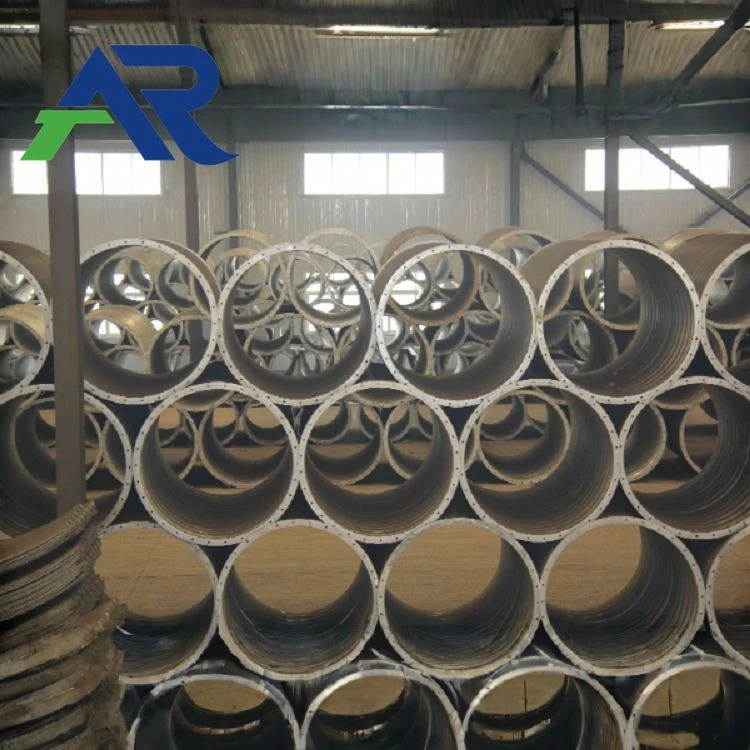
The most obvious difference between single - wall and double - wall steel corrugated culverts lies in their structure. A single - wall steel corrugated culvert is, well, just one layer of corrugated steel. It's a simple design where the corrugations provide the strength and flexibility needed to withstand external pressures. The corrugations are like little arches that distribute the load evenly across the culvert, making it resistant to bending and deformation.
On the other hand, a double - wall steel corrugated culvert consists of two layers of corrugated steel. The inner and outer layers are usually connected by ribs or spacers. This design adds an extra level of strength and protection. The double - wall structure can better handle high - impact loads and is more resistant to external damage.
Strength and Durability
When it comes to strength, double - wall steel corrugated culverts have an edge. The additional layer and the connection between the two layers make them sturdier. They can withstand heavier traffic loads, greater soil pressures, and more extreme weather conditions. For example, in areas with heavy rainfall or where there's a lot of vehicle traffic, a double - wall culvert might be a better choice.
Single - wall culverts, while still strong, are more suitable for lighter applications. They're great for small - scale drainage projects or areas with less traffic. They can handle normal soil pressures and light loads without any problem. But if you're dealing with a high - stress environment, a single - wall culvert might not be up to the task.
Installation
Installation is another area where the two types of culverts differ. Single - wall steel corrugated culverts are generally easier and quicker to install. Since they're lighter and have a simpler structure, they can be maneuvered more easily on the construction site. You don't need as much heavy equipment or a large installation crew. This can save you time and money on the installation process.
Double - wall culverts, on the other hand, are a bit more complex to install. The extra layer and the connection between the layers require more precise handling. You might need specialized equipment to lift and position the culvert correctly. Also, the installation process might take longer because of the additional steps involved in connecting the two layers. However, the extra effort in installation can pay off in the long run, especially in high - stress applications.
Cost
Cost is always a factor when choosing between single - wall and double - wall steel corrugated culverts. Single - wall culverts are usually less expensive. They require less material and are easier to manufacture, which translates to a lower price tag. If you're on a tight budget and your project doesn't require the extra strength of a double - wall culvert, a single - wall option might be the way to go.
Double - wall culverts, as you might expect, are more expensive. The additional material, the more complex manufacturing process, and the higher installation costs all contribute to the higher price. But remember, you're also getting a more durable and stronger product that can last longer and perform better in challenging conditions.
Applications
The choice between single - wall and double - wall steel corrugated culverts also depends on the application. Single - wall culverts are commonly used in residential areas for small - scale drainage systems, like backyard ditches or small driveways. They're also suitable for agricultural applications, such as irrigation channels or small farm roads.
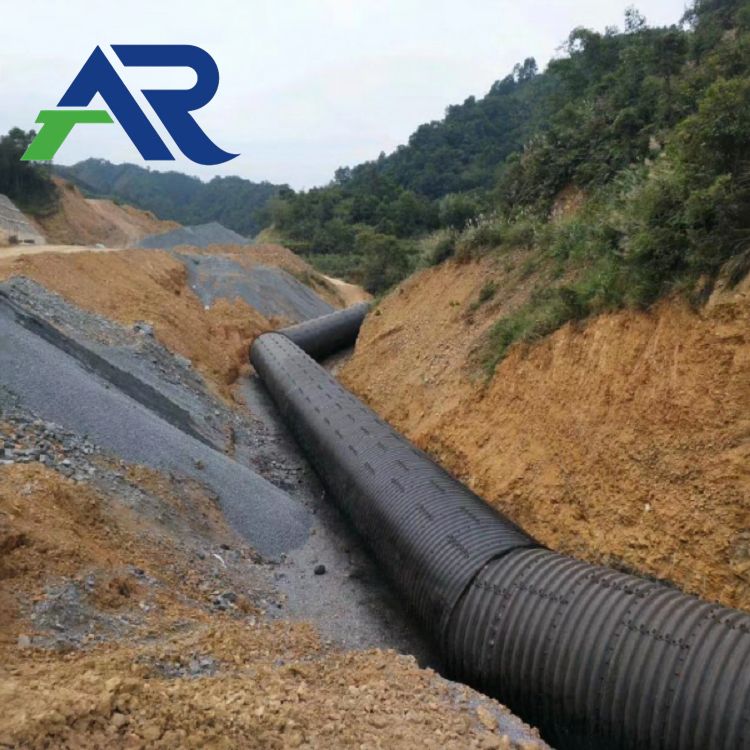
Double - wall culverts, on the other hand, are often used in large - scale infrastructure projects. They're ideal for highways, railways, and major drainage systems. They can also be used in industrial areas where there's a lot of heavy machinery and traffic. For example, Corrugated Pipe for Subway Passage and Steel Urban Underground Integrated Pipeline Corridor projects often require the strength and durability of double - wall steel corrugated culverts.
Maintenance
Maintenance is an important consideration for any construction project. Single - wall steel corrugated culverts are relatively easy to maintain. Since they have a simple structure, it's easier to inspect and repair any damage. You can easily access the interior of the culvert to check for corrosion or blockages.
Double - wall culverts, while more durable, can be a bit more challenging to maintain. The inner layer might be harder to access for inspection and repair. However, the double - wall design does provide an extra layer of protection against corrosion and damage, which can reduce the overall maintenance requirements in the long run.
Conclusion
So, there you have it! The main differences between single - wall and double - wall steel corrugated culverts. Each type has its own advantages and disadvantages, and the choice depends on your specific project requirements. If you're still not sure which type of culvert is right for you, don't hesitate to reach out. We're here to help you make the best decision for your project. Whether you need a single - wall culvert for a small - scale project or a double - wall culvert for a large - scale infrastructure development, we've got you covered. Contact us to start the procurement process and let's work together to get your project off the ground.
References
- Engineering Handbook of Steel Corrugated Culverts
- Construction Guidelines for Corrugated Steel Structures