

As a supplier of Traffic Signal Pole Types, I've witnessed firsthand the critical role that traffic signal poles play in ensuring road safety and efficient traffic flow. However, one aspect that often gets overlooked is the compatibility between different types of traffic signal poles and the traffic signals they support. In this blog post, I'll explore the various compatibility issues that can arise and offer insights on how to address them.
Understanding Traffic Signal Pole Types
Before delving into compatibility issues, it's essential to understand the different types of traffic signal poles available in the market. There are several factors that influence the choice of a traffic signal pole, including the location, traffic volume, and the type of traffic signals to be installed.
Cantilever Poles
Cantilever poles are one of the most common types of traffic signal poles. They are characterized by a horizontal arm that extends over the roadway, allowing traffic signals to be positioned directly above the lanes. Cantilever poles are ideal for intersections with multiple lanes or where overhead clearance is limited. They provide excellent visibility for drivers and pedestrians, ensuring that traffic signals are easily visible from all angles.
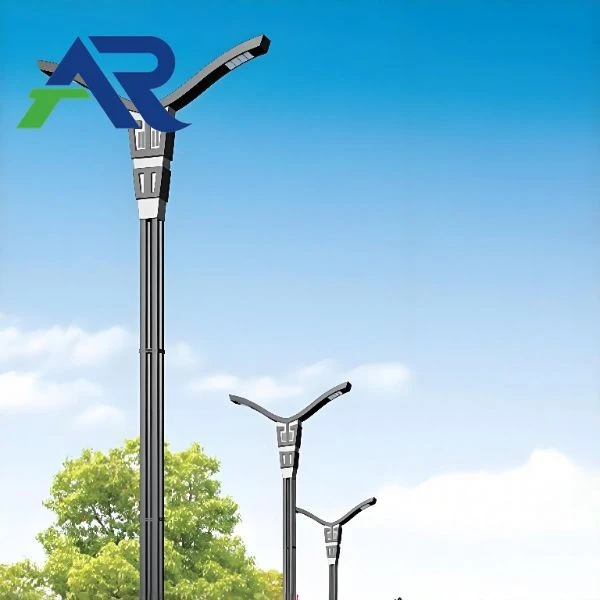

Mast Arm Poles
Mast arm poles are similar to cantilever poles but have a shorter horizontal arm. They are typically used in areas with lower traffic volumes or where space is limited. Mast arm poles are more cost-effective than cantilever poles and are easier to install and maintain.
Single-Post Poles
Single-post poles are the simplest type of traffic signal poles. They consist of a single vertical post with traffic signals mounted directly on it. Single-post poles are commonly used in residential areas or on low-volume roads. They are relatively inexpensive and easy to install but may not provide the same level of visibility as cantilever or mast arm poles.
Smart Light Pole
Smart light poles are a new type of traffic signal pole that combines lighting, traffic signals, and other smart city technologies. They are equipped with sensors, cameras, and communication devices that can collect and transmit data in real-time. Smart light poles can be used to monitor traffic flow, detect accidents, and provide information to drivers and pedestrians. They are also energy-efficient and can help reduce carbon emissions.
Compatibility Issues between Traffic Signal Pole Types and Traffic Signals
Now that we have a better understanding of traffic signal pole types, let's explore the compatibility issues that can arise between these poles and the traffic signals they support.
Structural Compatibility
One of the most critical compatibility issues is the structural compatibility between the traffic signal pole and the traffic signals. Traffic signals can be heavy, especially when multiple signals are mounted on a single pole. Therefore, it's essential to ensure that the pole is strong enough to support the weight of the signals and any additional equipment, such as cameras or sensors.
For example, a single-post pole may not be suitable for supporting multiple large traffic signals or a heavy smart light pole system. In such cases, a cantilever or mast arm pole may be required to provide the necessary structural support. It's also important to consider the wind load and other environmental factors that can affect the stability of the pole.
Electrical Compatibility
Another important compatibility issue is the electrical compatibility between the traffic signal pole and the traffic signals. Traffic signals require a reliable power supply to operate effectively. Therefore, it's essential to ensure that the pole is equipped with the appropriate electrical wiring and connections to provide power to the signals.
In addition, some traffic signals may require a specific voltage or frequency to operate correctly. Therefore, it's important to ensure that the electrical system of the pole is compatible with the requirements of the signals. This may require the installation of a transformer or other electrical equipment to adjust the voltage or frequency as needed.
Communication Compatibility
With the increasing adoption of smart city technologies, communication compatibility has become an important issue. Smart traffic signals and other devices require a reliable communication network to transmit data and receive instructions. Therefore, it's essential to ensure that the traffic signal pole is equipped with the appropriate communication infrastructure, such as Wi-Fi, cellular, or fiber optic connections.
In addition, some traffic signals may require a specific communication protocol to communicate with other devices or systems. Therefore, it's important to ensure that the communication system of the pole is compatible with the requirements of the signals. This may require the installation of a gateway or other communication equipment to translate between different protocols.
Aesthetic Compatibility
While not as critical as structural, electrical, or communication compatibility, aesthetic compatibility is still an important consideration. Traffic signal poles are a visible part of the urban landscape, and their appearance can have a significant impact on the overall aesthetic of the area. Therefore, it's important to choose a pole that is aesthetically compatible with the surrounding environment and architecture.
For example, a modern and sleek Smart Light Pole may be more suitable for a contemporary urban area, while a traditional and rustic single-post pole may be more appropriate for a historic district. It's also important to consider the color and finish of the pole to ensure that it blends in with the surroundings.
Addressing Compatibility Issues
To address the compatibility issues between traffic signal pole types and traffic signals, it's important to take a comprehensive approach. Here are some steps that can be taken to ensure compatibility:
Conduct a Site Assessment
Before selecting a traffic signal pole, it's important to conduct a site assessment to determine the specific requirements of the location. This may include evaluating the traffic volume, the type of traffic signals to be installed, the environmental conditions, and the aesthetic considerations. Based on the results of the site assessment, a suitable pole type can be selected that meets the requirements of the location.
Consult with a Professional
If you're unsure about the compatibility issues between a specific traffic signal pole type and the traffic signals you plan to install, it's a good idea to consult with a professional. A qualified engineer or traffic signal contractor can provide expert advice and guidance on selecting the right pole type and ensuring that it is compatible with the signals.
Choose a Reputable Supplier
When purchasing a traffic signal pole, it's important to choose a reputable supplier that has a proven track record of providing high-quality products and services. A reputable supplier will have the expertise and experience to help you select the right pole type and ensure that it is compatible with the traffic signals. They will also provide installation and maintenance services to ensure that the pole and signals operate effectively.
Consider Future Expansion
When selecting a traffic signal pole, it's important to consider future expansion and upgrades. As technology continues to evolve, it's likely that you will need to add new features and functionality to your traffic signals in the future. Therefore, it's important to choose a pole that is flexible and can accommodate future changes.
Conclusion
In conclusion, compatibility issues between traffic signal pole types and traffic signals are an important consideration when designing and installing a traffic signal system. By understanding the different types of traffic signal poles available and the compatibility issues that can arise, you can take the necessary steps to ensure that your traffic signal system operates effectively and safely.
As a supplier of Traffic Signal Pole Types, I'm committed to providing high-quality products and services that meet the needs of our customers. If you're looking for a reliable and compatible traffic signal pole for your project, please don't hesitate to contact us. We'll be happy to discuss your requirements and provide you with a customized solution that meets your needs and budget.
References
- Traffic Signal Design Handbook. Federal Highway Administration.
- Smart City Technologies for Traffic Management. Intelligent Transportation Society of America.
- Structural Design of Traffic Signal Poles. American Society of Civil Engineers.