

Is it worth replacing traditional light poles with Smart Light Poles?
In the era of rapid technological advancement, the concept of smart cities is becoming increasingly prominent. One of the key elements in this transformation is the replacement of traditional light poles with Smart Light Pole. As a supplier of Smart Light Poles, I have witnessed firsthand the growing interest in this technology and the potential it holds for urban development. In this blog, I will explore the question of whether it is worth replacing traditional light poles with Smart Light Poles, considering various aspects such as functionality, cost - effectiveness, and long - term benefits.
Functionality
Traditional light poles primarily serve the single purpose of providing illumination. They are usually static, with a fixed lighting intensity and on - off schedule. In contrast, Smart Light Poles are equipped with a wide range of advanced features that significantly enhance their functionality.
Smart Light Poles can be integrated with intelligent lighting control systems. These systems allow for remote monitoring and adjustment of lighting levels based on real - time conditions such as ambient light, traffic flow, and pedestrian movement. For example, during late - night hours when there is less traffic and fewer pedestrians, the lighting intensity can be automatically reduced, which not only saves energy but also reduces light pollution.
Moreover, Smart Light Poles can be used as a platform for other smart city applications. They can be equipped with environmental sensors to monitor air quality, temperature, humidity, and noise levels. This data can be collected and analyzed to gain insights into the environmental conditions of the city, which is crucial for urban planning and public health management.
In addition, Smart Light Poles can support the deployment of 5G small cells. With the increasing demand for high - speed wireless communication, 5G technology is becoming the backbone of smart cities. By integrating 5G small cells into Smart Light Poles, cities can achieve seamless and high - quality wireless coverage, facilitating the development of Internet of Things (IoT) devices and other smart services.
Another important functionality is the integration of security features. Smart Light Poles can be installed with cameras for surveillance purposes. These cameras can provide real - time video monitoring of public areas, enhancing public safety and helping law enforcement agencies to respond quickly to incidents.
Cost - Effectiveness
At first glance, the upfront cost of replacing traditional light poles with Smart Light Poles may seem high. Smart Light Poles are more expensive to purchase and install due to their advanced technology and additional features. However, when considering the long - term cost - effectiveness, the investment in Smart Light Poles can be justified.
As mentioned earlier, the intelligent lighting control system in Smart Light Poles can significantly reduce energy consumption. By adjusting the lighting levels according to real - time needs, cities can save a substantial amount of electricity. Over time, these energy savings can offset the initial investment in Smart Light Poles.

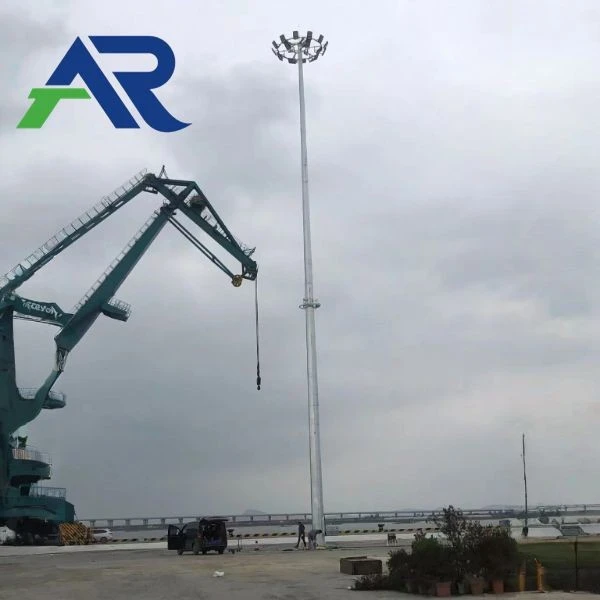
In addition, the integration of multiple functions into a single Smart Light Pole can reduce the overall infrastructure cost. Instead of installing separate poles for lighting, environmental monitoring, 5G communication, and security cameras, cities can use Smart Light Poles to serve all these purposes. This not only saves on the cost of purchasing and installing additional poles but also reduces the space required for infrastructure deployment.
Maintenance costs are also an important factor to consider. Traditional light poles often require regular manual inspections and maintenance to ensure proper functioning. Smart Light Poles, on the other hand, can be remotely monitored, and any faults or malfunctions can be detected in real - time. This allows for more efficient maintenance, reducing the time and cost associated with on - site inspections and repairs.
Long - Term Benefits
The long - term benefits of replacing traditional light poles with Smart Light Poles extend beyond cost savings. They play a crucial role in the development of smart cities.
Smart Light Poles contribute to the improvement of the quality of life for urban residents. The enhanced lighting control and reduced light pollution create a more comfortable and aesthetically pleasing urban environment. The environmental monitoring data collected by Smart Light Poles can help cities to take proactive measures to improve air quality and reduce noise pollution, which is beneficial for public health.
The integration of 5G technology in Smart Light Poles promotes the development of IoT devices and smart services. This can lead to the creation of a more connected and efficient city, where residents can enjoy a wide range of services such as smart transportation, smart waste management, and smart energy distribution.
In terms of urban planning, the data collected from Smart Light Poles can provide valuable insights into the usage patterns of public spaces. City planners can use this data to optimize the layout of streets, parks, and other public areas, improving the overall efficiency and functionality of the city.
Considerations and Challenges
While the benefits of Smart Light Poles are significant, there are also some considerations and challenges that need to be addressed before replacing traditional light poles.
One of the main challenges is the compatibility of different technologies. Smart Light Poles need to integrate various systems such as lighting control, environmental sensors, 5G communication, and security cameras. Ensuring the seamless operation of these systems requires careful planning and coordination among different technology providers.
Data security and privacy are also important concerns. The large amount of data collected by Smart Light Poles, especially the data from security cameras and environmental sensors, needs to be protected. Cities need to establish strict data security and privacy policies to ensure that the data is used only for legitimate purposes and is not misused or leaked.
In addition, the installation of Smart Light Poles may face some resistance from the public. Some people may be concerned about the potential health effects of 5G radiation or the invasion of privacy by security cameras. Therefore, it is important to conduct public education and communication campaigns to address these concerns and gain public support.
Conclusion
In conclusion, the replacement of traditional light poles with Smart Light Pole is a worthwhile investment for cities. The advanced functionality, long - term cost - effectiveness, and numerous long - term benefits make Smart Light Poles an essential component of smart city development.
However, to ensure the successful implementation of this transformation, cities need to carefully plan and address the challenges such as technology compatibility, data security, and public acceptance.
As a supplier of Smart Light Poles, we are committed to providing high - quality products and comprehensive solutions to help cities realize the potential of smart lighting. If you are interested in learning more about our Smart Light Poles or are considering a replacement project for your city, we encourage you to contact us for a detailed discussion and procurement negotiation. We look forward to working with you to build a smarter and more sustainable city.
References
- "Smart City Lighting: A Comprehensive Guide", published by an industry research institute.
- "The Impact of Smart Light Poles on Urban Development", a white paper by a technology consulting firm.
- "Cost - Benefit Analysis of Smart Lighting Systems", a report from a government - sponsored research project.