
Hey there! As a supplier of Multi-sleeve Chimneys, I've seen my fair share of common problems that customers run into. In this blog post, I'm gonna share some tips on how to troubleshoot these issues.
1. Leakage Issues
One of the most common problems with multi-sleeve chimneys is leakage. This can be a real headache, as it not only affects the efficiency of the chimney but can also cause damage to the surrounding areas.
Possible Causes
- Sealant Failure: Over time, the sealant between the sleeves can break down due to high temperatures, weather conditions, or normal wear and tear.
- Cracks in the Sleeves: Physical damage, such as impact or thermal stress, can cause cracks in the chimney sleeves.
- Poor Installation: If the chimney wasn't installed correctly, there may be gaps or misalignments that allow air and moisture to leak.
Troubleshooting Steps
- Inspect the Sealant: Start by visually checking the sealant around the sleeves. If you see any signs of cracking, peeling, or deterioration, it's time to replace it. You can use a high-temperature sealant that's specifically designed for chimney applications. For example, some sealants can withstand temperatures up to 1000°F, which is perfect for a multi-sleeve chimney environment.
- Look for Cracks: Carefully examine the sleeves for any visible cracks. Small cracks can sometimes be repaired using a chimney repair compound. However, if the cracks are large or extensive, you may need to replace the affected sleeve. You can find more information about chimney repair products on some home improvement websites.
- Check the Installation: If you suspect that the installation is the problem, it might be a good idea to have a professional chimney installer take a look. They can check for proper alignment, support, and connection between the sleeves. Sometimes, a simple adjustment can fix the leakage issue.
2. Poor Draft
Another common problem is poor draft. A good draft is essential for the proper functioning of a chimney, as it helps to remove smoke, gases, and heat from the fireplace or furnace.
Possible Causes
- Blockages: Debris, such as leaves, twigs, or bird nests, can accumulate in the chimney and block the airflow.
- Incorrect Sizing: If the chimney is too small for the appliance it's connected to, it won't be able to create enough draft.
- External Factors: Wind direction, nearby buildings, or trees can affect the draft of the chimney.
Troubleshooting Steps
- Clear the Blockages: Use a chimney brush or a vacuum cleaner to remove any debris from the chimney. Make sure to start from the top and work your way down. If you're not comfortable climbing on the roof, you can hire a professional chimney sweep to do the job. They have the right tools and experience to safely clean the chimney.
- Check the Sizing: Consult the manufacturer's guidelines for your appliance to ensure that the chimney is the correct size. If it's too small, you may need to upgrade to a larger multi-sleeve chimney. You can find more details about chimney sizing on the Multi-sleeve Chimney product page on our website.
- Evaluate External Factors: If you suspect that external factors are affecting the draft, you can try installing a chimney cap or a draft inducer. A chimney cap can prevent debris from entering the chimney and also help to improve the draft by creating a more stable airflow. A draft inducer is a mechanical device that can boost the draft by creating a negative pressure in the chimney.
3. Corrosion
Corrosion is a serious problem that can weaken the chimney structure and reduce its lifespan. It's especially common in areas with high humidity or where the chimney is exposed to acidic gases.
Possible Causes
- Moisture: Condensation inside the chimney can cause rust and corrosion. This can happen when the chimney is not properly insulated or when there's a leakage issue.
- Acidic Gases: Combustion by-products, such as sulfur dioxide and nitrogen oxides, can react with moisture to form acids that corrode the chimney materials.
- Poor Quality Materials: Using low-quality materials for the chimney construction can make it more susceptible to corrosion.
Troubleshooting Steps
- Reduce Moisture: Make sure that the chimney is properly insulated to prevent condensation. You can also install a chimney liner to protect the inner walls of the chimney from moisture. If there's a leakage issue, fix it as soon as possible to prevent further damage.
- Neutralize Acids: You can use a chimney cleaner that's designed to neutralize acidic gases. These cleaners can help to remove the corrosive substances from the chimney walls. Follow the manufacturer's instructions carefully when using these products.
- Replace Corroded Parts: If the corrosion is severe, you may need to replace the affected parts of the chimney. This could include the sleeves, the chimney cap, or other components. When replacing the parts, make sure to use high-quality materials that are resistant to corrosion, such as stainless steel. You can find a wide range of Stainless Steel Factory Chimney products on our website.
4. Noise and Vibration
Unusual noises and vibrations coming from the chimney can be annoying and may also indicate a problem.
Possible Causes
- Loose Components: Over time, the components of the chimney, such as the brackets, connectors, or sleeves, can become loose. This can cause rattling or vibrating noises.
- Wind Effects: Strong winds can cause the chimney to vibrate or make whistling sounds.
- Thermal Expansion and Contraction: As the chimney heats up and cools down, the materials can expand and contract, which can lead to cracking or popping noises.
Troubleshooting Steps
- Tighten Loose Components: Inspect the chimney for any loose brackets, connectors, or sleeves. Use a wrench or a screwdriver to tighten them up. Make sure not to overtighten, as this can cause damage to the components.
- Install Wind Deflectors: If wind is the cause of the noise and vibration, you can install wind deflectors on the chimney. These deflectors can help to redirect the wind and reduce the impact on the chimney.
- Allow for Thermal Expansion: If the noise is due to thermal expansion and contraction, there's not much you can do to completely eliminate it. However, you can make sure that the chimney has enough room to expand and contract without causing damage. This may involve leaving some gaps between the components or using flexible connectors.
5. Comparison with Single Sleeve Chimney
It's worth mentioning that multi-sleeve chimneys have some advantages over Single Sleeve Chimney. A single sleeve chimney is simpler in design and may be more cost-effective for some applications. However, a multi-sleeve chimney offers better insulation, improved draft, and the ability to handle multiple appliances.
If you're experiencing problems with a single sleeve chimney, some of the troubleshooting steps may be similar, but the solutions may be different. For example, a single sleeve chimney may be more prone to heat loss, so you may need to focus more on insulation and draft improvement.
In conclusion, troubleshooting common problems with a multi-sleeve chimney requires a combination of visual inspection, basic maintenance, and sometimes professional help. By following these tips, you can keep your chimney in good working condition and ensure its safety and efficiency.
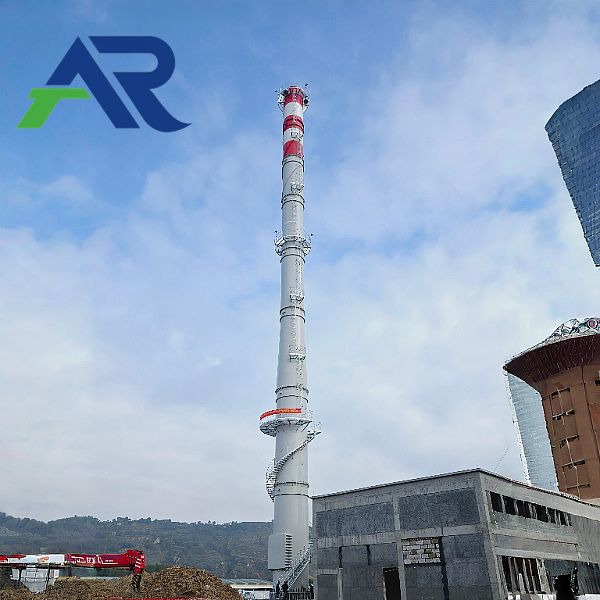
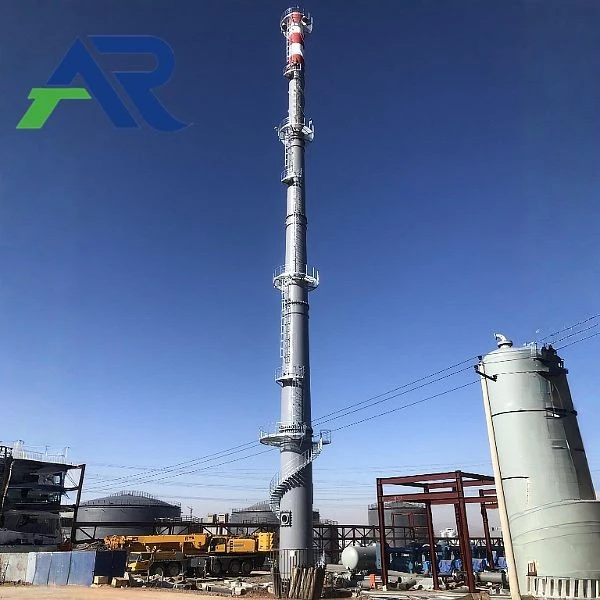
If you're in the market for a new multi-sleeve chimney or need replacement parts, don't hesitate to reach out to us. We're here to help you find the right solution for your needs. Whether you're a homeowner, a business owner, or a contractor, we have a wide range of high-quality multi-sleeve chimney products to choose from. Let's start a conversation and see how we can assist you with your chimney requirements.
References
- Chimney Safety Institute of America (CSIA) publications
- Manufacturer's guidelines for multi-sleeve chimney products
- Home improvement magazines and websites