

Maintaining steel corrugated culverts is crucial for ensuring their long - term performance and durability. As a supplier of Steel Corrugated Culvert, I understand the significance of proper maintenance and want to share some essential tips and guidelines to help you keep these structures in optimal condition.
Understanding Steel Corrugated Culverts
Steel corrugated culverts are widely used in various infrastructure projects, including roads, railways, and drainage systems. Their unique corrugated design provides strength and flexibility, making them suitable for different soil conditions and load requirements. Steel Corrugated Culvert offers several advantages such as ease of installation, cost - effectiveness, and resistance to deformation.
Initial Inspection and Assessment
Before starting any maintenance program, it is essential to conduct a thorough initial inspection of the steel corrugated culvert. This inspection should include an assessment of the culvert's physical condition, including the presence of any dents, cracks, or corrosion. Check the joints between the corrugated sections to ensure they are tight and secure. Measure the flow capacity of the culvert to determine if it is functioning as intended.
Regular Cleaning
One of the most basic yet important maintenance tasks is regular cleaning. Debris such as leaves, branches, and sediment can accumulate inside the culvert, reducing its flow capacity and increasing the risk of blockages. Use appropriate cleaning equipment, such as high - pressure water jets or mechanical sweepers, to remove the debris. Ensure that the cleaning process does not damage the corrugated surface of the culvert.
Corrosion Prevention and Treatment
Corrosion is one of the most significant threats to steel corrugated culverts. The presence of moisture, oxygen, and certain chemicals in the environment can cause the steel to rust over time. To prevent corrosion, apply a protective coating to the culvert during the manufacturing process. Zinc - based coatings are commonly used due to their excellent corrosion - resistant properties.
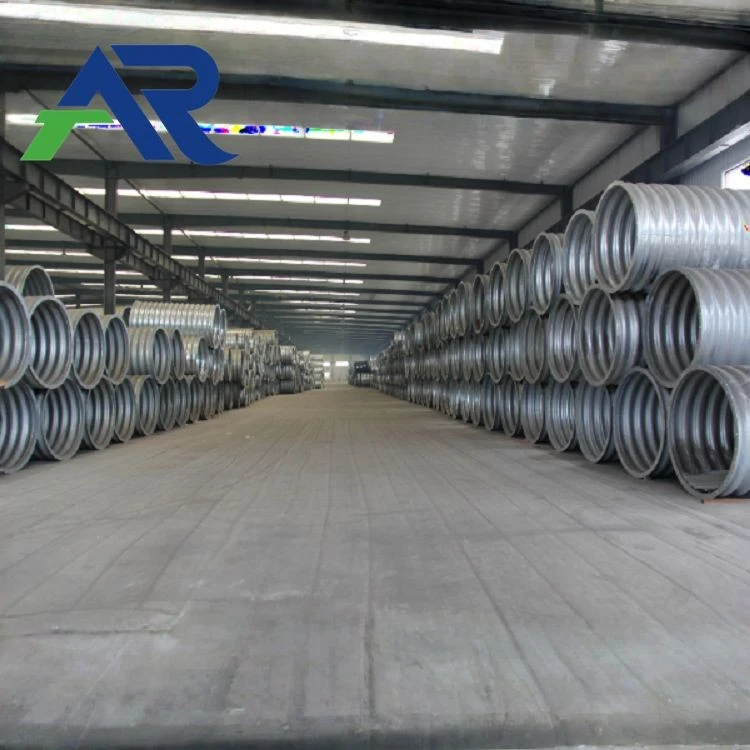
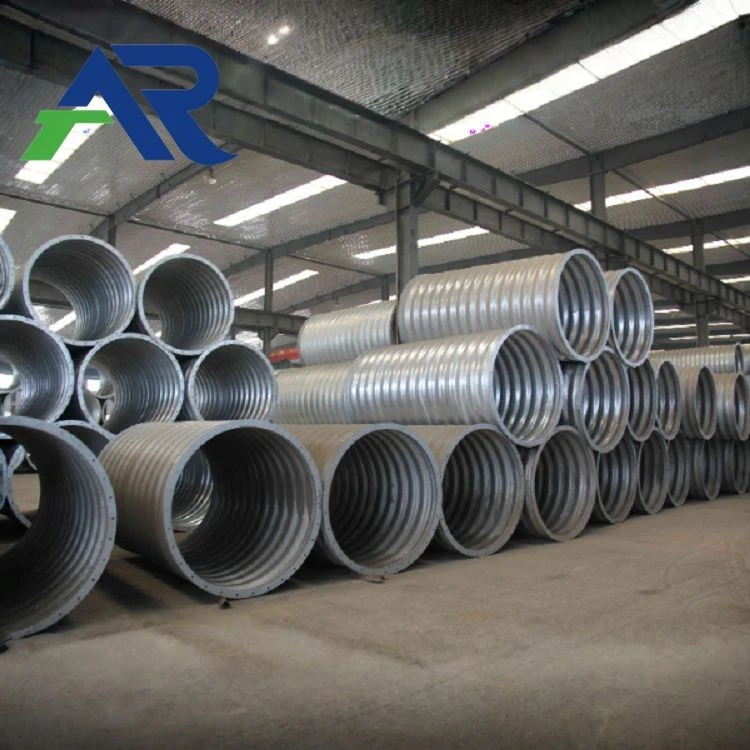
If corrosion is already present, it is important to treat it promptly. First, remove the rust using a wire brush or sandblasting. Then, apply a corrosion - inhibiting primer followed by a topcoat. Regularly inspect the coated surface for signs of damage or deterioration and re - apply the coating as needed.
Structural Integrity Checks
Periodically check the structural integrity of the steel corrugated culvert. Look for signs of deformation, such as bulging or sagging. This can be caused by excessive soil pressure, improper installation, or heavy loads. If any structural issues are detected, consult a structural engineer for advice on repair or reinforcement.
Check the anchoring and support systems of the culvert. Ensure that the anchor bolts are tight and the support structures are in good condition. Loose or damaged anchors can lead to instability and potential failure of the culvert.
Flow Capacity Monitoring
Monitoring the flow capacity of the steel corrugated culvert is essential to ensure its proper functioning. Install flow meters or use other monitoring devices to measure the flow rate of water through the culvert. Compare the measured flow rate with the design specifications to determine if there are any issues.
A decrease in flow capacity can be caused by blockages, corrosion, or structural deformation. If a significant decrease in flow capacity is detected, take immediate action to identify and resolve the problem.
Joint Maintenance
The joints between the corrugated sections of the culvert are critical for its overall performance. Inspect the joints regularly for signs of leakage, loosening, or damage. Sealant should be applied to the joints during installation to prevent water from seeping through.
If a joint is leaking, clean the area around the joint and re - apply the sealant. Check the bolts or other fasteners used to connect the sections and tighten them if necessary. Replace any damaged gaskets or seals to ensure a watertight joint.
Environmental Considerations
The environment in which the steel corrugated culvert is located can have a significant impact on its maintenance requirements. For example, culverts in areas with high levels of pollution or aggressive chemicals may require more frequent inspections and maintenance.
In coastal areas, the culverts are exposed to saltwater, which can accelerate corrosion. In such cases, special corrosion - resistant coatings may be required, and more frequent inspections should be carried out.
Maintenance Records
Keep detailed maintenance records for each steel corrugated culvert. These records should include the date of inspection, the findings of the inspection, any maintenance or repair work carried out, and the cost of the work. Maintenance records can help you track the condition of the culvert over time, identify trends, and plan for future maintenance and replacement.
Special Applications and Maintenance
Steel corrugated culverts are also used in special applications such as Corrugated Pipe for Subway Passage and Wind Tower Foundation Corrugated Outer Tube. In these applications, the maintenance requirements may be different.
For subway passages, the culverts need to be maintained to ensure the safety and comfort of passengers. This may include regular cleaning to prevent the accumulation of dust and debris, and strict monitoring of the structural integrity to prevent any potential collapse.
In the case of wind tower foundation corrugated outer tubes, the culverts are exposed to high - wind loads and harsh environmental conditions. Special attention should be paid to the structural stability and corrosion prevention of these culverts.
Conclusion
Maintaining steel corrugated culverts is a multi - faceted task that requires regular inspections, cleaning, corrosion prevention, and structural integrity checks. By following these maintenance guidelines, you can extend the lifespan of the culverts, ensure their proper functioning, and avoid costly repairs or replacements.
As a supplier of Steel Corrugated Culvert, we are committed to providing high - quality products and comprehensive after - sales support. If you have any questions about the maintenance of our steel corrugated culverts or are interested in purchasing our products, please feel free to contact us for more information and to start a procurement negotiation.
References
- "Design and Construction of Corrugated Steel Culverts" - American Iron and Steel Institute
- "Maintenance Manual for Highway Culverts" - Federal Highway Administration
- "Corrosion Prevention in Steel Structures" - National Association of Corrosion Engineers