

Hey there! As a supplier of Fiberglass Tower Chimneys, I've seen my fair share of concerns when it comes to ensuring a secure connection in these structures. It's crucial because a secure connection not only guarantees the proper functioning of the chimney but also ensures the safety of the entire setup. So, let's dive into how we can make sure that our Fiberglass Tower Chimneys have a rock - solid connection.
Understanding the Basics of Fiberglass Tower Chimneys
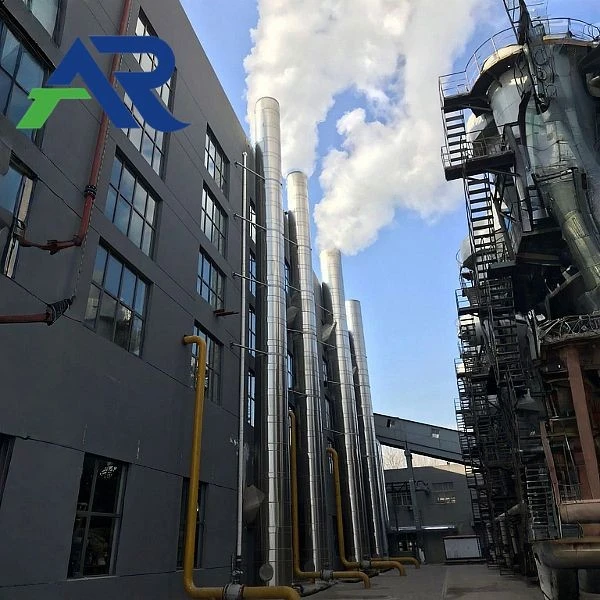
First off, let's talk a bit about Fiberglass Tower Chimneys. They're a great choice for many industrial applications. Fiberglass is lightweight, corrosion - resistant, and has excellent insulation properties. These features make it ideal for use in chimneys, especially in environments where traditional materials might not hold up well. You can learn more about them on our Fiberglass Tower Chimney page.
Selecting the Right Materials for Connection
When it comes to ensuring a secure connection, the materials you use are super important. For the joints in the Fiberglass Tower Chimney, we need to use high - quality adhesives and sealants. These should be specifically designed for fiberglass. The adhesive needs to have strong bonding properties to keep the sections of the chimney firmly together.
Another option for some connections is mechanical fasteners. But we have to be careful. The fasteners should be made of materials that won't corrode in the environment where the chimney is installed. For example, if the chimney is in a high - humidity area, stainless - steel fasteners would be a better choice compared to regular steel ones.
Preparing the Connection Surfaces
Before making any connection, the surfaces of the fiberglass need to be properly prepared. This means cleaning them thoroughly to remove any dirt, dust, or grease. A simple cleaner can be used, and then the surfaces should be dried completely.
Sometimes, the surfaces might also need to be sanded lightly. This helps to create a rougher surface, which in turn improves the adhesion of the adhesive or the grip of the mechanical fasteners. But we need to be gentle while sanding to avoid damaging the fiberglass.
Installation Process
The installation process is where everything comes together. When using adhesives, we need to apply them evenly on the prepared surfaces. It's important to follow the manufacturer's instructions regarding the amount of adhesive to use and the curing time.
If we're using mechanical fasteners, we need to drill the holes accurately. The holes should be the right size for the fasteners. Too small, and the fasteners might break or damage the fiberglass. Too large, and the connection won't be secure.
During the installation, we also need to make sure that the sections of the chimney are aligned properly. Misaligned sections can put stress on the connection points, leading to potential failures over time.
Quality Control and Testing
Once the connection is made, quality control is a must. We need to visually inspect the connection to make sure there are no gaps, air bubbles in the adhesive, or loose fasteners.
We can also perform some simple tests. For example, we can apply a gentle force to the connection to see if there's any movement. If there is, it means the connection might not be as secure as it should be, and we need to address the issue.
Comparing with Other Types of Tower Chimneys
It's interesting to compare Fiberglass Tower Chimneys with other types, like the Titanium Steel Composite Plate Tower Chimney. While titanium steel composite plate chimneys have their own advantages, such as high strength, fiberglass chimneys offer better corrosion resistance in many cases.
The connection methods for titanium steel composite plate chimneys are also different. They often rely more on welding, which requires a different set of skills and safety precautions compared to the adhesive and mechanical fastener methods used in fiberglass chimneys.
Maintenance for Long - Term Security
Ensuring a secure connection isn't a one - time thing. Regular maintenance is key to keeping the connection in good condition. We should inspect the connection points periodically for signs of wear and tear, such as cracks in the adhesive or rust on the fasteners.
If any issues are found, they should be addressed immediately. For example, if the adhesive has started to degrade, we might need to re - apply it. If a fastener is loose or corroded, it should be replaced.
Environmental Considerations
The environment where the Fiberglass Tower Chimney is installed can have a big impact on the connection. For example, in areas with extreme temperature changes, the materials in the chimney and the connection can expand and contract. This can put stress on the connection over time.
To counter this, we might need to use materials that can withstand these temperature variations. We can also design the connection in a way that allows for some movement without compromising the security.
Training and Expertise
Finally, having a team with the right training and expertise is crucial. Installing and maintaining a Fiberglass Tower Chimney with a secure connection requires knowledge of the materials, tools, and techniques involved.

We should provide our installers and maintenance staff with regular training to keep them updated on the best practices for ensuring a secure connection.
In conclusion, ensuring a secure connection in a Fiberglass Tower Chimney involves a combination of selecting the right materials, proper surface preparation, accurate installation, quality control, regular maintenance, and consideration of the environmental factors.
If you're in the market for a Fiberglass Tower Chimney and want to ensure a top - notch secure connection for your industrial setup, don't hesitate to reach out for a purchase and discussion. We're here to help you make the best choice for your needs.
References
- "Industrial Chimney Design and Installation Handbook"
- "Fiberglass Material Properties and Applications"
- "Best Practices for Secure Structural Connections"