

Hey there! As a supplier of Fiberglass Tower Chimneys, I've seen firsthand the importance of corrosion resistance in these structures. A fiberglass tower chimney that can withstand corrosion not only lasts longer but also ensures the safety and efficiency of industrial operations. In this blog, I'll share some practical tips on how to enhance the corrosion resistance of a fiberglass tower chimney.
Understanding the Corrosion Mechanisms
Before we dive into the solutions, it's crucial to understand what causes corrosion in fiberglass tower chimneys. Corrosion in these structures is often the result of exposure to harsh chemicals, high temperatures, and moisture. For example, in industrial settings where chimneys are used to vent acidic gases or waste products, the fiberglass can be gradually degraded by chemical reactions.
Moisture is another major culprit. When water comes into contact with the fiberglass, it can penetrate the material and cause swelling, cracking, and delamination. Over time, these issues can compromise the structural integrity of the chimney and lead to corrosion.
Selecting the Right Fiberglass Materials
The first step in enhancing corrosion resistance is to choose the right fiberglass materials. Not all fiberglass is created equal, and some types are more resistant to corrosion than others. When selecting materials for your tower chimney, look for fiberglass that has been specifically formulated to withstand the chemicals and environmental conditions it will be exposed to.
For instance, if your chimney will be used in an acidic environment, consider using a fiberglass with a high acid resistance rating. These materials are often reinforced with special resins that provide an extra layer of protection against chemical attack. Additionally, make sure the fiberglass has a high-quality gel coat. The gel coat acts as a barrier between the fiberglass and the external environment, preventing moisture and chemicals from reaching the underlying material.
Proper Installation and Maintenance
Even the best fiberglass materials won't last long if the chimney is not installed and maintained properly. During installation, it's important to follow the manufacturer's guidelines carefully. This includes ensuring that the chimney is properly sealed and supported to prevent water and chemicals from seeping in.
Regular maintenance is also essential for enhancing corrosion resistance. Inspect the chimney regularly for signs of damage, such as cracks, chips, or discoloration. If you notice any issues, address them immediately to prevent further damage. Clean the chimney periodically to remove any dirt, debris, or chemical deposits that could contribute to corrosion.
Applying Protective Coatings
Another effective way to enhance corrosion resistance is to apply protective coatings to the fiberglass tower chimney. There are several types of coatings available, each with its own advantages and disadvantages. Some common types of protective coatings include epoxy coatings, polyurethane coatings, and ceramic coatings.
Epoxy coatings are known for their excellent adhesion and chemical resistance. They form a tough, durable barrier that protects the fiberglass from corrosion. Polyurethane coatings, on the other hand, are more flexible and can withstand greater temperature variations. They are also resistant to abrasion and UV radiation. Ceramic coatings offer high-temperature resistance and can provide an extra layer of protection in extreme environments.
When applying a protective coating, make sure the surface of the chimney is clean and dry. Follow the manufacturer's instructions carefully to ensure proper application. It's also a good idea to apply multiple coats for added protection.
Using Corrosion-Resistant Liners
In some cases, it may be beneficial to use a corrosion-resistant liner inside the fiberglass tower chimney. Liners can provide an additional layer of protection against chemical attack and abrasion. There are several types of liners available, including rubber liners, plastic liners, and metallic liners.
Rubber liners are flexible and can conform to the shape of the chimney. They are resistant to a wide range of chemicals and can provide excellent protection against corrosion. Plastic liners, such as PVC or HDPE, are lightweight and easy to install. They are also resistant to many chemicals and can be a cost-effective option. Metallic liners, such as Titanium Steel Composite Plate Tower Chimney, offer high strength and corrosion resistance. However, they can be more expensive and may require special installation techniques.
Monitoring and Testing
Finally, it's important to monitor and test the corrosion resistance of your fiberglass tower chimney regularly. This can help you detect any issues early on and take corrective action before they become major problems. There are several methods for monitoring corrosion, including visual inspection, ultrasonic testing, and electrochemical testing.
Visual inspection involves looking for signs of corrosion, such as rust, discoloration, or cracking. Ultrasonic testing uses high-frequency sound waves to detect internal damage in the fiberglass. Electrochemical testing measures the electrical properties of the material to determine its corrosion rate.
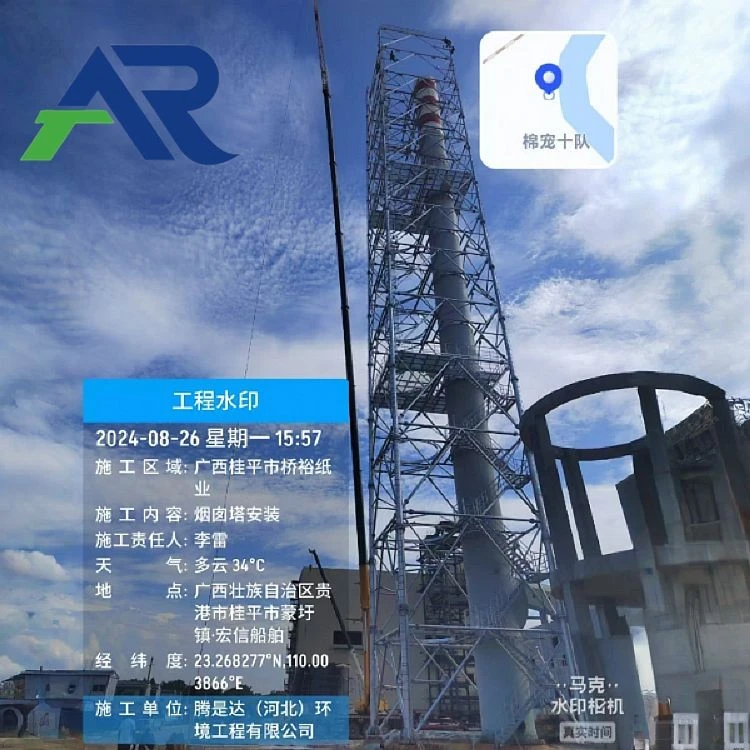
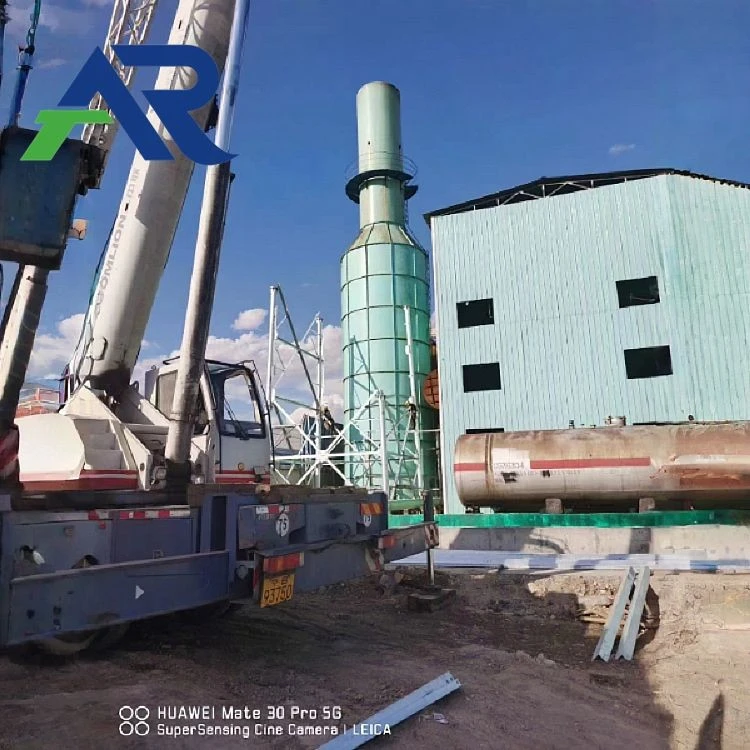
By regularly monitoring and testing your chimney, you can ensure that it remains in good condition and continues to provide reliable service for years to come.
Conclusion
Enhancing the corrosion resistance of a fiberglass tower chimney is essential for ensuring its longevity and performance. By selecting the right materials, installing and maintaining the chimney properly, applying protective coatings, using corrosion-resistant liners, and monitoring and testing regularly, you can significantly improve the corrosion resistance of your chimney.
If you're in the market for a Fiberglass Tower Chimney or need help enhancing the corrosion resistance of your existing chimney, don't hesitate to contact us. We're here to help you find the best solutions for your specific needs. Let's work together to ensure your chimney stands the test of time!
References
- ASTM International. (2023). Standard Practice for Evaluating the Corrosion Resistance of Fiberglass Reinforced Plastic (FRP) Tanks and Piping.
- National Association of Corrosion Engineers (NACE). (2023). Corrosion Basics: An Introduction.
- Manufacturer's guidelines for fiberglass tower chimney materials and coatings.