
Hey there! As a supplier of Corrugated Pipe for Subway Passage, I've seen firsthand how important it is to keep these pipes clean. In this blog, I'm gonna share some tips on how to clean corrugated pipes in subway passages.
Why Cleaning Corrugated Pipes in Subway Passages Matters
First off, let's talk about why cleaning these pipes is such a big deal. Subway passages are high - traffic areas, and the corrugated pipes play a crucial role in various systems like drainage, ventilation, and cable management. Over time, dirt, debris, dust, and even some chemical substances can accumulate inside these pipes.
If the pipes aren't cleaned regularly, it can lead to a bunch of problems. For drainage pipes, blockages can occur, which might cause water to back up and flood the subway passage. This not only disrupts the normal operation of the subway but also poses a safety risk to passengers. In the case of ventilation pipes, a build - up of dirt can reduce the efficiency of the ventilation system, leading to poor air quality in the subway. And for cable - containing pipes, dirt can potentially damage the cables over time, affecting the electrical and communication systems.
Tools and Materials You'll Need
Before you start cleaning, you need to gather the right tools and materials. Here's a list of what you'll typically need:
- High - pressure water jet: This is one of the most effective tools for cleaning corrugated pipes. It can blast away dirt and debris from the inner walls of the pipes.
- Pipe brushes: Different sizes of pipe brushes can be used to scrub the inside of the pipes, especially in areas where the high - pressure water jet might not reach effectively.
- Cleaning agents: Depending on the type of dirt and contaminants in the pipes, you might need some cleaning agents. For example, if there are grease or oil stains, a degreaser can be very useful.
- Safety equipment: Since you'll be working in a subway passage, safety is a top priority. You'll need safety helmets, safety glasses, gloves, and appropriate footwear.
Step - by - Step Cleaning Process
Step 1: Inspection
Before you start cleaning, it's important to inspect the pipes. You can use a CCTV camera system to check the inside of the pipes. This will help you identify the areas with the most dirt and debris, as well as any potential damage to the pipes. By doing this, you can plan your cleaning process more effectively.
Step 2: Preparation
Once you've inspected the pipes, it's time to prepare the work area. Set up safety barriers around the pipes to prevent unauthorized access. Make sure all the tools and materials are ready and in good working condition. If you're using a high - pressure water jet, connect it to a reliable water source and check the pressure settings.
Step 3: Pre - cleaning
Use a vacuum cleaner or a blower to remove any loose dirt and debris from the pipes. This will make the subsequent cleaning steps more effective. You can also use a pipe brush to gently scrub the accessible parts of the pipes to loosen the dirt.
Step 4: High - pressure Water Jet Cleaning
This is the main cleaning step. Start the high - pressure water jet and direct the water into the pipes. Move the jet nozzle along the length of the pipe to ensure that all areas are cleaned. Pay special attention to the corrugated areas, as dirt tends to accumulate there. You may need to adjust the pressure of the water jet depending on the size and condition of the pipes.
Step 5: Using Pipe Brushes
After the high - pressure water jet cleaning, use pipe brushes to scrub the inner walls of the pipes. This will help remove any remaining dirt and contaminants. Make sure to use the appropriate size of the brush for the pipe diameter. You can move the brush back and forth inside the pipe to clean thoroughly.
Step 6: Applying Cleaning Agents
If there are stubborn stains or contaminants in the pipes, you can apply a cleaning agent. Follow the instructions on the cleaning agent's label carefully. Usually, you'll need to let the cleaning agent sit in the pipes for a certain period of time to allow it to break down the dirt. Then, use the high - pressure water jet or pipe brushes again to rinse and scrub the pipes.
Step 7: Final Inspection
Once you've completed the cleaning process, conduct a final inspection using the CCTV camera system again. Check if the pipes are clean and if there are any signs of damage. If there are still some areas that need further cleaning, repeat the necessary steps.
Maintenance Tips
Cleaning the corrugated pipes in subway passages isn't a one - time thing. Regular maintenance is essential to keep the pipes in good condition. Here are some maintenance tips:
- Set up a regular cleaning schedule: Depending on the usage and the environment of the subway passage, establish a regular cleaning schedule. For example, you might want to clean the pipes every three to six months.
- Monitor the pipe condition: Continuously monitor the condition of the pipes. Look for signs of wear and tear, corrosion, or blockages. Early detection of problems can prevent more serious issues from occurring.
- Train your staff: Make sure your cleaning staff is properly trained on how to clean the corrugated pipes. They should know how to use the tools and materials safely and effectively.
Our Products
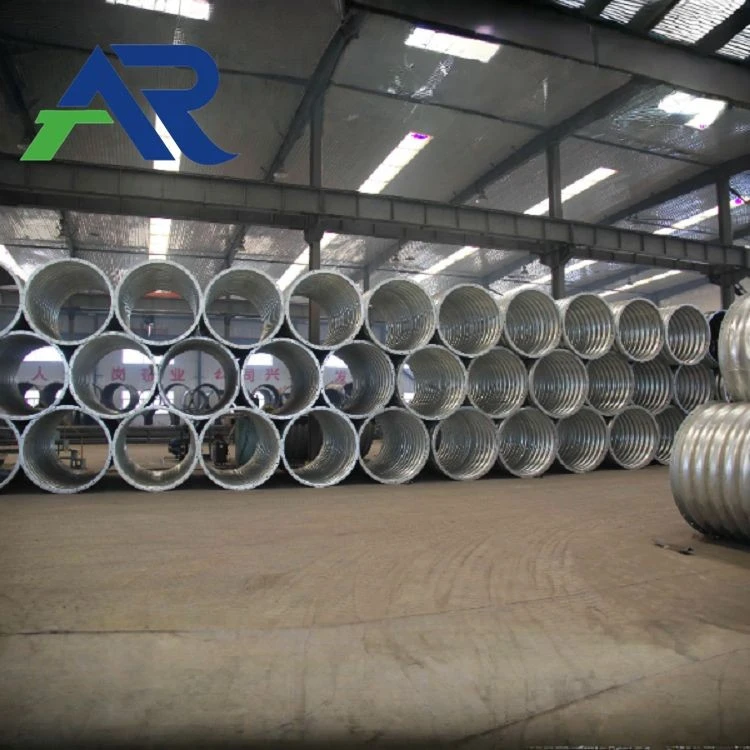
As a supplier of Corrugated Pipe for Subway Passage, we offer high - quality pipes that are designed to withstand the harsh environment of subway passages. Our pipes are made from durable materials and have excellent corrosion resistance.
We also supply Steel Corrugated Culvert which can be used in various underground applications, including subway passages. And if you're interested in a more comprehensive solution, our Steel Urban Underground Integrated Pipeline Corridor provides an integrated approach to underground pipeline management.

Contact Us for Procurement
If you're in the market for corrugated pipes for your subway passage or related projects, we'd love to hear from you. Whether you have questions about our products, need more information on cleaning and maintenance, or want to discuss a potential procurement, don't hesitate to reach out. We're here to provide you with the best solutions and support.
References
- "Subway Infrastructure Maintenance Handbook"
- "Pipe Cleaning and Maintenance Best Practices"
- Industry reports on subway system management and pipe maintenance.