
In the era of rapid technological advancement, smart city infrastructure has emerged as a crucial element in enhancing urban living standards. Among these innovations, smart light poles stand out as a multifaceted solution that integrates various functions, including Wi-Fi connectivity. As a leading smart light pole supplier, I am often asked about the stability of the Wi-Fi signal from our smart light poles. In this blog post, I will delve into the factors that affect Wi-Fi signal stability and share insights based on our experience and industry knowledge.
Understanding the Basics of Wi-Fi in Smart Light Poles
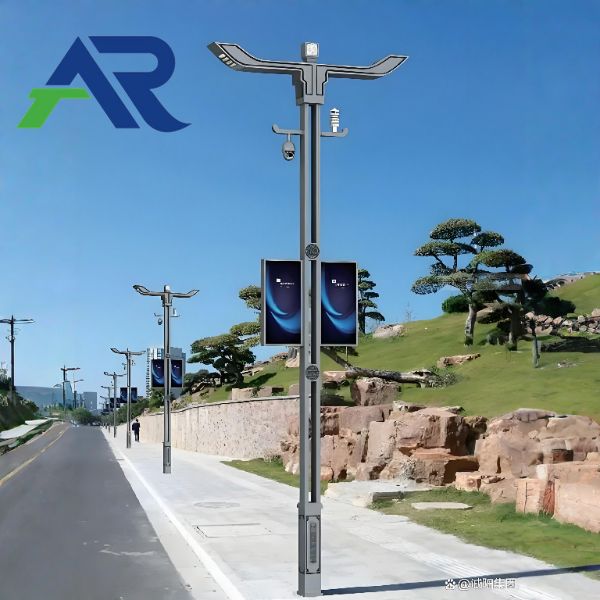
Before we discuss signal stability, it's important to understand how Wi-Fi is integrated into smart light poles. Smart light poles are equipped with Wi-Fi access points, which are essentially devices that allow wireless devices to connect to a wired network. These access points are strategically placed on the light poles to provide wide coverage and high-speed internet access in public areas such as streets, parks, and squares.
The Wi-Fi signal from a smart light pole operates on specific frequency bands, typically 2.4 GHz and 5 GHz. The 2.4 GHz band offers longer range but lower data transfer speeds, while the 5 GHz band provides higher speeds but shorter range. The choice of frequency band depends on the specific requirements of the deployment, such as the area to be covered and the number of users.
Factors Affecting Wi-Fi Signal Stability
Several factors can influence the stability of the Wi-Fi signal from a smart light pole. Understanding these factors is essential for ensuring optimal performance and reliable connectivity.
1. Environmental Conditions
The environment plays a significant role in Wi-Fi signal propagation. Obstacles such as buildings, trees, and other structures can block or weaken the signal, leading to reduced coverage and slower speeds. Additionally, weather conditions such as rain, fog, and strong winds can also affect the signal quality. For example, heavy rain can absorb and scatter the Wi-Fi signal, causing interference and degradation.
To mitigate the impact of environmental conditions, our smart light poles are designed with high-gain antennas and advanced signal processing algorithms. These features help to improve the signal strength and reduce the effects of interference, ensuring stable connectivity even in challenging environments.
2. Interference
Interference from other wireless devices and signals can also disrupt the Wi-Fi signal from a smart light pole. In urban areas, there are often multiple Wi-Fi networks operating in close proximity, as well as other wireless technologies such as Bluetooth and Zigbee. These signals can overlap and interfere with each other, causing congestion and reducing the available bandwidth.
To minimize interference, our smart light poles use frequency hopping and channel selection techniques to automatically switch to less congested channels. Additionally, we use advanced encryption and authentication protocols to ensure the security and privacy of the network, preventing unauthorized access and interference.
3. User Density
The number of users connected to the Wi-Fi network at any given time can also affect the signal stability. As more users connect to the network, the available bandwidth is shared among them, leading to slower speeds and reduced performance. This is particularly evident in high-traffic areas such as shopping malls, stadiums, and transportation hubs.
To accommodate a large number of users, our smart light poles are equipped with high-capacity access points that can support multiple concurrent connections. Additionally, we use traffic management and load balancing techniques to optimize the network performance and ensure a consistent user experience.
4. Equipment Quality and Maintenance
The quality of the Wi-Fi equipment installed in the smart light pole is another important factor in signal stability. Low-quality or outdated equipment may be more prone to malfunctions and interference, leading to unreliable connectivity. Additionally, regular maintenance and updates are essential for ensuring the optimal performance of the equipment.
As a smart light pole supplier, we only use high-quality Wi-Fi access points and antennas from reputable manufacturers. Our products are rigorously tested and certified to meet international standards, ensuring reliability and performance. We also provide comprehensive maintenance and support services to ensure that our smart light poles continue to operate at peak efficiency.
Ensuring Stable Wi-Fi Connectivity with Our Smart Light Poles
At our company, we are committed to providing high-quality smart light poles that offer stable and reliable Wi-Fi connectivity. Our smart light poles are designed with the latest technologies and features to ensure optimal performance in a variety of environments.
1. Advanced Antenna Design
Our smart light poles are equipped with high-gain antennas that are specifically designed to provide wide coverage and strong signal strength. These antennas are strategically placed on the light pole to minimize interference and maximize the signal propagation. Additionally, we use beamforming technology to focus the signal towards the users, improving the signal quality and reducing the effects of interference.
2. Intelligent Signal Management
To ensure stable connectivity, our smart light poles use intelligent signal management systems that continuously monitor the network performance and adjust the signal parameters accordingly. These systems can detect interference and automatically switch to less congested channels, as well as adjust the transmit power to optimize the signal strength.
3. Redundancy and Backup
We understand the importance of reliable connectivity, especially in critical applications such as public safety and emergency response. That's why our smart light poles are designed with redundancy and backup features to ensure continuous operation in the event of a failure. For example, we use multiple access points and power supplies to provide backup in case of a single point of failure.
4. Remote Monitoring and Management
Our smart light poles are equipped with remote monitoring and management systems that allow us to monitor the network performance and diagnose any issues in real-time. These systems can provide detailed information about the signal strength, user connectivity, and network traffic, enabling us to take proactive measures to ensure optimal performance.
Real-World Applications and Case Studies
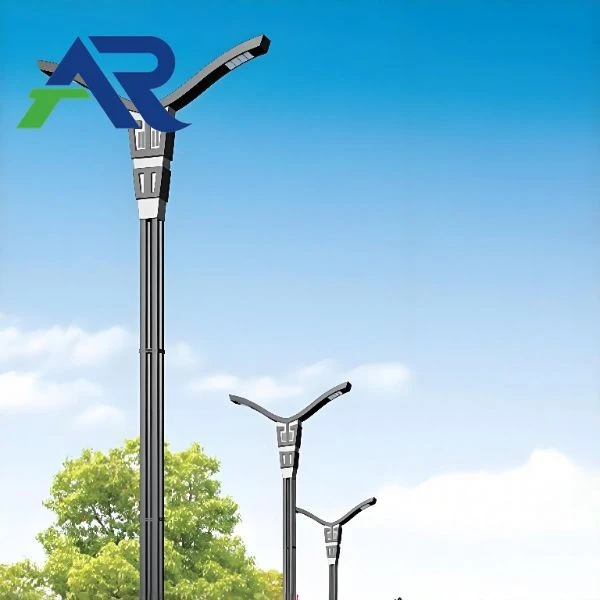
Our smart light poles have been deployed in various real-world applications, including smart cities, transportation hubs, and commercial areas. Here are some examples of how our smart light poles have provided stable Wi-Fi connectivity in these environments:
1. Smart City Deployments
In many smart city projects, our smart light poles have been used to provide free Wi-Fi access to residents and visitors. These deployments have helped to improve the quality of life in the city by providing seamless connectivity in public areas. For example, in a recent smart city project in [City Name], our smart light poles were installed in the city center to provide Wi-Fi access to the public. The system has been highly successful, with thousands of users connecting to the network every day.
2. Transportation Hubs
Our smart light poles have also been deployed in transportation hubs such as airports, train stations, and bus terminals. These deployments have helped to improve the passenger experience by providing high-speed Wi-Fi access during their travels. For example, in [Airport Name], our smart light poles were installed in the terminal building to provide Wi-Fi access to passengers. The system has been well-received by passengers, who appreciate the convenience of staying connected while waiting for their flights.
3. Commercial Areas
In commercial areas such as shopping malls and business districts, our smart light poles have been used to provide Wi-Fi access to customers and employees. These deployments have helped to enhance the customer experience by providing seamless connectivity while they shop or work. For example, in [Shopping Mall Name], our smart light poles were installed in the parking lot and common areas to provide Wi-Fi access to customers. The system has been a great success, with many customers using the Wi-Fi to browse the internet and check their emails.
Conclusion
In conclusion, the stability of the Wi-Fi signal from a smart light pole depends on several factors, including environmental conditions, interference, user density, and equipment quality. As a leading smart light pole supplier, we are committed to providing high-quality products that offer stable and reliable Wi-Fi connectivity. Our smart light poles are designed with advanced technologies and features to ensure optimal performance in a variety of environments, and we have a proven track record of successful deployments in real-world applications.
If you are interested in learning more about our smart light poles and how they can provide stable Wi-Fi connectivity for your project, please [Contact Us]. We would be happy to discuss your specific requirements and provide you with a customized solution.
References
- IEEE 802.11 Standards, Institute of Electrical and Electronics Engineers
- Wi-Fi Alliance, Best Practices for Wi-Fi Deployment in Outdoor Environments
- Smart Cities Council, Smart Light Pole Technology and Applications