

When it comes to industrial and commercial setups, a free standing chimney is often a necessity. It plays a crucial role in expelling harmful gases, smoke, and particulate matter from factories, power plants, and other large - scale facilities. As a free standing chimney supplier, I am frequently asked about the cost of these structures. In this blog, I will delve into the factors that influence the cost of a free standing chimney and provide a comprehensive overview of what you can expect to pay.
Factors Affecting the Cost of a Free Standing Chimney
1. Material
The choice of material is one of the most significant factors in determining the cost of a free standing chimney. Different materials have different price points, durability, and performance characteristics.
- Stainless Steel: Stainless steel is a popular choice for free standing chimneys due to its corrosion resistance, high strength, and aesthetic appeal. It can withstand harsh environmental conditions and is suitable for a wide range of applications. However, stainless steel is relatively expensive compared to other materials. You can check out our Stainless Steel Factory Chimney for more details on this option.
- Carbon Steel: Carbon steel is a more economical choice. It has good strength but is more prone to corrosion. To protect it from rust, carbon steel chimneys usually require a coating or paint. The lower cost of carbon steel makes it a viable option for projects with budget constraints.
- Brick: Brick chimneys are known for their traditional look and durability. They can be custom - built to fit specific architectural requirements. However, the labor cost for building a brick chimney is relatively high, which can drive up the overall cost. Additionally, brick chimneys may require more maintenance over time.
2. Height and Diameter
The height and diameter of the chimney directly impact its cost. Taller and wider chimneys require more materials and more complex engineering. A taller chimney needs to be designed to withstand wind loads and other environmental forces, which may involve additional structural support. Similarly, a larger - diameter chimney will need more material for construction. For example, a small single - sleeve chimney used in a small factory may cost significantly less than a multi - sleeve chimney with a large diameter and great height used in a large power plant. You can explore our Multi - sleeve Chimney and Single Sleeve Chimney options to understand the differences in size and their potential cost implications.
3. Design and Complexity
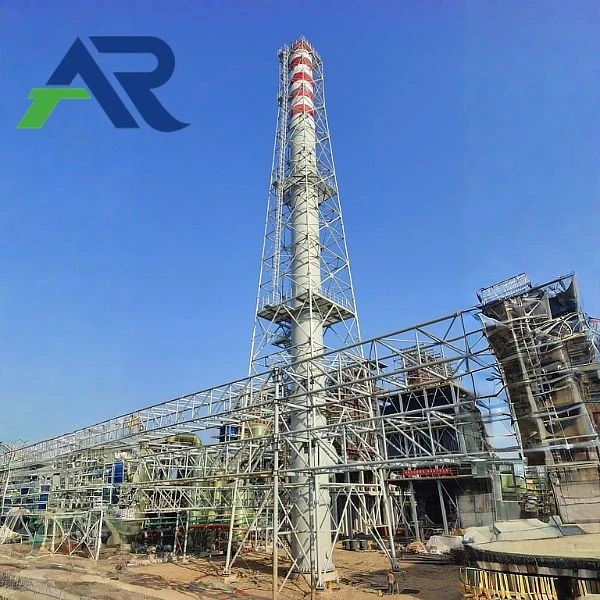
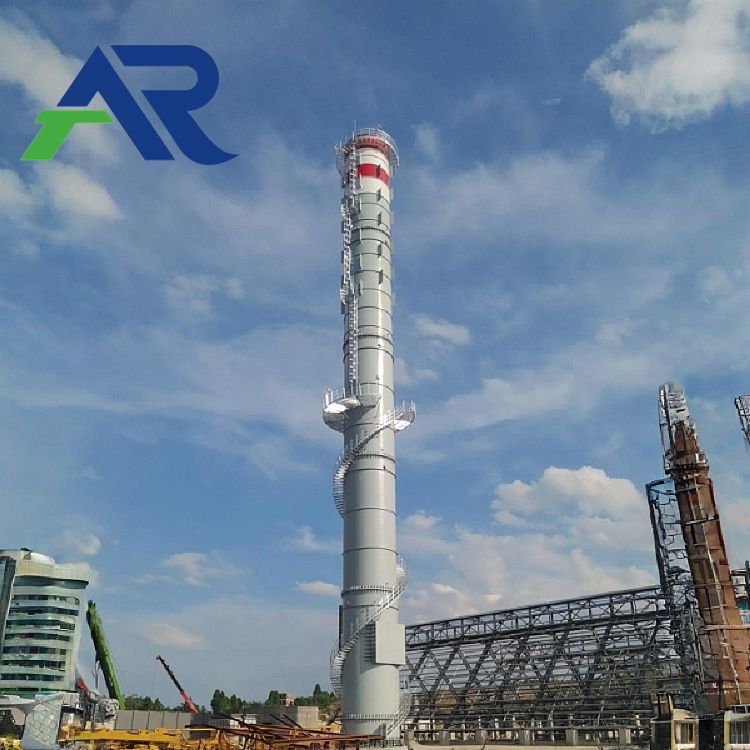
The design of the chimney can also add to the cost. A simple, straight - stack chimney will be less expensive than a chimney with a complex shape, such as a tapered or curved design. Chimneys with additional features like access platforms, ladders, inspection ports, and flue gas treatment systems will also cost more. These features are often necessary for safety and maintenance purposes but increase the overall complexity of the project.
4. Location and Site Conditions
The location where the chimney will be installed can have a significant impact on the cost. If the site is difficult to access, such as a remote area or a location with limited space, the transportation of materials and equipment will be more challenging and costly. Additionally, the local soil conditions need to be considered. Poor soil quality may require additional foundation work, such as deep pilings or a reinforced foundation, which can add to the cost.
5. Installation and Labor
The cost of installation and labor is a major component of the total cost. Skilled labor is required for the proper installation of a free standing chimney. The installation process involves assembling the chimney sections, connecting the flue system, and ensuring proper alignment and stability. The labor cost can vary depending on the region, the complexity of the installation, and the experience of the installation team.
Cost Estimates
It is difficult to provide an exact cost for a free standing chimney as it depends on the factors mentioned above. However, I can give you a rough estimate to give you an idea.
- Small - scale Applications: For a small single - sleeve chimney made of carbon steel with a height of around 10 - 15 meters and a diameter of 0.5 - 1 meter, the cost can range from $5,000 to $15,000. This includes the cost of materials, fabrication, and installation.
- Medium - scale Applications: A medium - sized stainless - steel chimney with a height of 20 - 30 meters and a diameter of 1 - 2 meters may cost between $20,000 and $50,000. This type of chimney may be used in medium - sized factories or commercial buildings.
- Large - scale Applications: Large multi - sleeve chimneys used in power plants or large industrial facilities can cost hundreds of thousands or even millions of dollars. These chimneys can be over 50 meters tall and have a large diameter. They often require advanced engineering and high - quality materials, which drive up the cost.
Conclusion
As you can see, the cost of a free standing chimney can vary widely depending on multiple factors. When considering a free standing chimney for your project, it is essential to carefully evaluate your requirements, budget, and long - term needs. As a supplier, I can help you choose the right type of chimney, material, and design that best suits your situation.
If you are interested in purchasing a free standing chimney for your industrial or commercial project, I encourage you to contact me for a detailed quote. I have the expertise and experience to provide you with a high - quality chimney solution at a competitive price. Let's start a discussion on how we can meet your chimney needs.
References
- Industry standards and guidelines for chimney construction
- Past project cost data and analysis