

Waterproofing is a crucial factor that significantly impacts the service life of steel corrugated culverts. As a supplier of Steel Corrugated Culvert, I have witnessed firsthand how proper waterproofing can extend the lifespan of these essential infrastructure components, while inadequate waterproofing can lead to premature deterioration.
The Role of Steel Corrugated Culverts
Steel corrugated culverts are widely used in various civil engineering projects, including roadways, railways, and drainage systems. Their unique corrugated design provides excellent structural strength and flexibility, allowing them to withstand heavy loads and ground movements. These culverts are often installed underground or in water - prone areas, which exposes them to moisture, chemicals, and other environmental factors.
Mechanisms of Corrosion in Steel Corrugated Culverts
Without proper waterproofing, steel corrugated culverts are vulnerable to corrosion. Corrosion is an electrochemical process that occurs when steel comes into contact with water and oxygen. The water acts as an electrolyte, facilitating the flow of electrons between the anode and cathode regions on the steel surface. In the presence of salts, acids, or other contaminants in the water, the corrosion rate can be significantly accelerated.
When corrosion occurs, the steel gradually loses its thickness, which weakens its structural integrity. Rust can also cause expansion, which may lead to cracking and deformation of the culvert. Over time, these issues can compromise the functionality of the culvert and pose a safety risk to the surrounding infrastructure.
How Waterproofing Prevents Corrosion
Effective waterproofing acts as a barrier between the steel and the surrounding environment, preventing water and oxygen from reaching the steel surface. There are several methods of waterproofing steel corrugated culverts:
Coating Systems
One of the most common waterproofing methods is the application of protective coatings. These coatings can be made of various materials, such as epoxy, polyurethane, or zinc - rich paints. Epoxy coatings, for example, provide excellent adhesion and chemical resistance. They form a hard, durable film on the steel surface that shields it from moisture and corrosive substances. Polyurethane coatings offer good flexibility and weather resistance, making them suitable for culverts in areas with significant temperature variations. Zinc - rich paints work by providing sacrificial protection, where the zinc corrodes preferentially to the steel.
Waterproofing Membranes
Another approach is the use of waterproofing membranes. These membranes are typically made of synthetic materials, such as polyethylene or bitumen. They are applied to the outer surface of the culvert to create a continuous, impermeable layer. Waterproofing membranes can be particularly effective in preventing water penetration in areas where the culvert is in direct contact with wet soil or groundwater.
Cathodic Protection
Cathodic protection is a technique that involves the use of an external power source or sacrificial anodes to protect the steel from corrosion. In impressed - current cathodic protection, an external power source is used to apply a direct current to the steel, making it the cathode. This reverses the electrochemical reaction and prevents corrosion. Sacrificial anode cathodic protection uses a more active metal, such as magnesium or aluminum, as the anode. The anode corrodes instead of the steel, providing protection.
Impact of Waterproofing on Service Life
The application of proper waterproofing measures can significantly extend the service life of steel corrugated culverts. A well - waterproofed culvert can last for several decades, while a culvert without adequate waterproofing may start to show signs of corrosion within a few years.

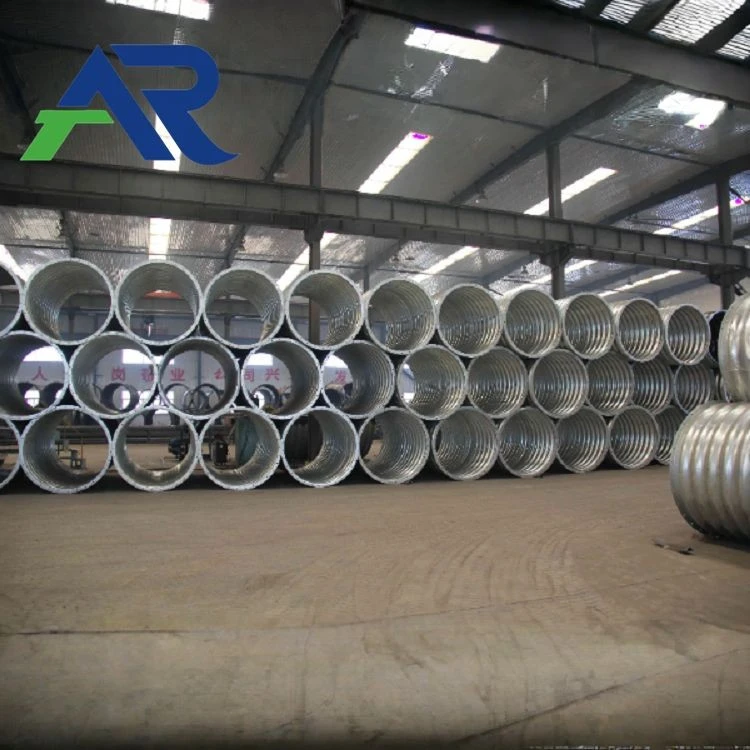
For example, in a study conducted on culverts in a coastal area, it was found that culverts with high - quality epoxy coatings had a service life of over 50 years, while uncoated culverts began to experience significant corrosion within 10 - 15 years. The cost - effectiveness of waterproofing becomes evident when considering the long - term savings in maintenance and replacement costs.
Case Studies
Let's look at some real - world examples to understand the impact of waterproofing on the service life of steel corrugated culverts.
In a highway project, two sets of steel corrugated culverts were installed side by side. One set was treated with a high - performance polyurethane coating, while the other set was left uncoated. After 20 years, the uncoated culverts showed extensive rusting and structural damage, requiring immediate replacement. In contrast, the coated culverts were in excellent condition, with only minor signs of wear on the coating surface. This case clearly demonstrates the effectiveness of waterproofing in protecting steel corrugated culverts.
In another case, a railway project used Corrugated Pipe for Subway Passage that were waterproofed using a combination of epoxy coatings and cathodic protection. These culverts were installed in an area with high groundwater levels and aggressive soil conditions. After 30 years of service, the culverts showed minimal signs of corrosion, and their structural integrity was still intact.
Factors Affecting the Effectiveness of Waterproofing
While waterproofing can significantly enhance the service life of steel corrugated culverts, several factors can affect its effectiveness:
Installation Quality
The proper installation of the waterproofing system is crucial. Any gaps, cracks, or improper application of the coating or membrane can compromise the waterproofing performance. For example, if a coating is not applied evenly, there may be areas where the steel is exposed to water and oxygen.
Environmental Conditions
The environmental conditions in which the culvert is installed also play a role. Culverts in coastal areas are exposed to saltwater, which is highly corrosive. In industrial areas, the presence of pollutants in the air and water can accelerate corrosion. Extreme temperature variations can also cause the waterproofing materials to expand and contract, potentially leading to cracking.
Maintenance
Regular maintenance is essential to ensure the long - term effectiveness of the waterproofing system. Over time, the coating or membrane may experience wear and tear, and small damages may occur. Prompt repair of these damages can prevent water from reaching the steel surface and prolong the service life of the culvert.
The Role of Wind Tower Foundation Corrugated Outer Tube in Waterproofing
In some cases, Wind Tower Foundation Corrugated Outer Tube can also contribute to the waterproofing of steel corrugated culverts. These outer tubes can provide an additional layer of protection, shielding the culvert from direct contact with the surrounding soil and water. They can also help to distribute the load more evenly, reducing the stress on the culvert and minimizing the risk of damage.
Conclusion
In conclusion, waterproofing is a critical factor in determining the service life of steel corrugated culverts. By preventing corrosion, waterproofing helps to maintain the structural integrity of the culverts and ensures their long - term functionality. As a supplier of steel corrugated culverts, I highly recommend the use of proper waterproofing measures for all projects.
Whether you are involved in a road, railway, or drainage project, choosing the right waterproofing solution can save you significant costs in the long run. If you are interested in purchasing high - quality steel corrugated culverts with reliable waterproofing options, please feel free to contact us for more information and to discuss your specific requirements. We are committed to providing the best products and solutions to meet your needs.
References
- Jones, D. A. (1992). Principles and Prevention of Corrosion. Prentice - Hall.
- Fontana, M. G. (1986). Corrosion Engineering. McGraw - Hill.
- National Association of Corrosion Engineers (NACE). (2016). Standard Practice for the Protection of Underground or Submerged Metallic Piping Systems.