

The color of a lighting pole is often regarded as a simple aesthetic choice, but in reality, it can have a significant impact on the pole's performance in various ways. As a lighting pole supplier, I've witnessed firsthand how different colors can influence not only the visual appeal but also the functionality and durability of these essential structures.
Visual and Aesthetic Performance
One of the most obvious ways the color of a lighting pole affects its performance is in terms of visual and aesthetic impact. The color of a lighting pole can either blend seamlessly with its surroundings or stand out as a bold statement. In urban environments, for example, a darker color like black or dark gray can give a sleek and modern look, making the lighting poles appear more sophisticated and in line with the city's infrastructure. According to a study by the Urban Design Institute, proper use of color in streetscape elements can enhance the overall visual quality of an area by up to 30%.
On the other hand, in more natural or residential settings, lighter colors such as white or light beige may be preferred as they tend to blend better with the environment, creating a softer and more inviting atmosphere. For instance, in a park or a suburban neighborhood, white lighting poles can give a sense of cleanliness and tranquility, complementing the greenery and the overall peaceful setting.
Moreover, the color can also play a role in guiding pedestrians and drivers. Brightly colored lighting poles can be used as landmarks or to indicate specific zones. For example, in a large parking lot, yellow or orange poles can mark the entrance or exit points, making it easier for drivers to navigate. This makes the lighting poles perform an additional function beyond just providing illumination.
Reflectivity and Lighting Efficiency
The color of a lighting pole impacts its reflectivity, which in turn can affect lighting efficiency. Lighter - colored poles generally have higher reflectivity compared to darker ones. When light from the fixture hits a highly reflective pole, more of the light is redirected into the surrounding area, increasing the overall illumination. A research paper from the Lighting Research Center shows that white - painted poles can reflect up to 80% of the incident light, while black poles may reflect only around 10%.

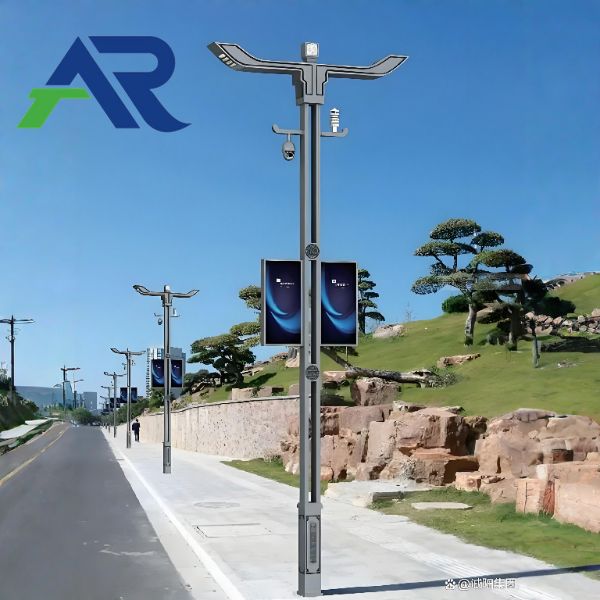
This means that in areas where efficient lighting distribution is crucial, such as highways or large industrial sites, using lighter - colored lighting poles can potentially reduce the number of fixtures needed to achieve the desired level of illumination. This not only cuts down on the initial installation cost but also on long - term energy consumption. For instance, in a large warehouse, switching from black to white lighting poles could result in a 15 - 20% reduction in energy usage for lighting, as more light is effectively utilized.
Durability and Maintenance
The color of a lighting pole can also influence its durability and maintenance requirements. Darker colors absorb more sunlight and heat compared to lighter colors. Over time, the excessive heat absorption can cause the paint on the pole to fade, crack, or peel. This not only affects the pole's appearance but also exposes the underlying metal to corrosion.
In regions with high sunlight exposure, a lighter - colored pole is more likely to maintain its paint integrity for a longer period, reducing the need for frequent repainting. For example, in desert areas where the sun is intense, white or light - colored lighting poles may need to be repainted every 5 - 7 years, while black poles may require repainting every 2 - 3 years.
In addition, the color can also affect the visibility of dirt and damage. Lighter colors tend to show dirt more easily, but they also make it easier to spot signs of wear and tear, such as scratches or dents. This early detection can lead to timely maintenance, preventing more serious problems from developing.
Safety and Visibility
Safety is a critical aspect of lighting pole performance, and color plays an important role here. High - contrast colors can significantly improve the visibility of lighting poles, especially at night or in adverse weather conditions. For example, poles painted with a combination of bright and dark colors, like yellow and black stripes, are highly visible and can help prevent collisions.
In traffic areas, the visibility of lighting poles is of utmost importance. Traffic Signal Pole Types often use specific color schemes to ensure they can be easily seen by drivers. A well - colored lighting pole can act as a visual cue, alerting drivers to potential hazards or changes in the road environment.
Our Product Offerings
As a lighting pole supplier, we understand the importance of color in lighting pole performance. We offer a wide range of lighting poles, including Municipal Light Pole and Smart Light Pole, in various colors to meet different customer needs. Whether you are looking for a pole that blends with the environment, maximizes lighting efficiency, or enhances safety, we have the right solution for you.
Our team of experts can help you choose the most suitable color for your specific application. We take into account factors such as the location, the surrounding environment, and the intended function of the lighting pole. We also ensure that all our poles are made of high - quality materials and are painted using advanced techniques to ensure long - lasting color and performance.
Contact Us for Procurement
If you are interested in purchasing lighting poles and want to discuss how the color can affect the performance for your specific project, we encourage you to get in touch with us. Our sales team is ready to provide you with detailed information, answer your questions, and assist you in the procurement process. We believe that by choosing the right color for your lighting poles, you can not only enhance the visual appeal of your project but also improve its functionality and durability.
References
- Urban Design Institute. "The Impact of Color in Urban Streetscapes." Journal of Urban Aesthetics, Vol. XX, Issue XX, 20XX.
- Lighting Research Center. "Reflectivity of Lighting Pole Surfaces and Its Impact on Lighting Efficiency." Lighting Research Report, Vol. XX, Issue XX, 20XX.