

When it comes to choosing a chimney for industrial or large - scale applications, two popular options often stand out: multi - sleeve chimneys and masonry chimneys. As a supplier of multi - sleeve chimneys, I am well - versed in the features, advantages, and disadvantages of both types of chimneys. In this blog, I will compare multi - sleeve chimneys to masonry chimneys to help you make an informed decision for your specific needs.
Construction and Materials
Masonry chimneys are typically constructed using bricks, stones, or concrete blocks. These materials are stacked and held together with mortar. The construction process is labor - intensive and requires skilled masons to ensure the chimney is structurally sound. The thick walls of masonry chimneys provide good insulation and durability, but they also make the chimney heavy and require a strong foundation.
On the other hand, multi - sleeve chimneys are usually made of stainless steel or other metal alloys. The multi - sleeve design consists of an inner liner, an insulation layer, and an outer casing. The inner liner is responsible for carrying the flue gases, while the insulation layer helps to maintain the temperature of the flue gases and protect the outer casing. The outer casing provides structural support and protection from the elements. The use of metal materials makes multi - sleeve chimneys lightweight and easier to install compared to masonry chimneys. You can learn more about the materials and construction of multi - sleeve chimneys on our Multi - sleeve Chimney page.
Installation Process
Installing a masonry chimney is a complex and time - consuming process. It involves site preparation, laying the foundation, building the chimney structure brick by brick, and finishing the exterior. The installation process can take weeks or even months, depending on the size and complexity of the chimney. Additionally, masonry chimneys require a large amount of space for construction, which can be a limitation in some areas.
Multi - sleeve chimneys, however, have a much simpler installation process. They are often pre - fabricated in sections and can be easily assembled on - site. The lightweight nature of multi - sleeve chimneys means that they can be installed with less heavy equipment and in a shorter time frame. This can result in significant cost savings in terms of labor and installation time. If you are interested in a more straightforward installation option, you might also want to explore our Stainless Steel Factory Chimney solutions.
Performance and Efficiency
In terms of performance, masonry chimneys have a long - standing reputation for reliability. Their thick walls provide good insulation, which helps to keep the flue gases hot and promotes proper draft. However, over time, the mortar joints in masonry chimneys can deteriorate, leading to air leaks and reduced efficiency. Additionally, masonry chimneys are more prone to cracking and spalling, especially in areas with extreme temperature changes.
Multi - sleeve chimneys offer excellent performance and efficiency. The insulation layer in multi - sleeve chimneys helps to maintain a consistent temperature of the flue gases, which improves draft and reduces the risk of condensation. The metal materials used in multi - sleeve chimneys are resistant to corrosion and damage, ensuring a longer lifespan. Moreover, the multi - sleeve design allows for better control of the flue gases, which can lead to more efficient combustion and reduced emissions.
Maintenance and Durability
Masonry chimneys require regular maintenance to ensure their longevity. This includes inspecting the mortar joints, repairing any cracks or spalling, and cleaning the chimney to remove creosote buildup. The maintenance process can be costly and time - consuming, especially for large masonry chimneys.
Multi - sleeve chimneys are relatively low - maintenance. The metal materials are resistant to corrosion and do not require the same level of upkeep as masonry chimneys. Periodic inspections to check for any signs of damage or wear are usually sufficient. The durability of multi - sleeve chimneys means that they can provide reliable service for many years with minimal maintenance. If you are looking for a chimney that requires less maintenance, our Single Sleeve Chimney might also be an option to consider, although multi - sleeve chimneys offer additional benefits in terms of insulation and performance.
Cost Considerations
The cost of a chimney is an important factor in the decision - making process. Masonry chimneys are generally more expensive upfront due to the high cost of materials and labor. The large amount of materials required, along with the skilled labor needed for construction, can drive up the cost significantly. Additionally, the long installation time can result in higher overall project costs.
Multi - sleeve chimneys, on the other hand, are more cost - effective. The lower cost of materials, combined with the shorter installation time, makes them a more affordable option. Although the initial cost of a multi - sleeve chimney may be lower, it is important to consider the long - term costs, such as maintenance and replacement. In the long run, the low - maintenance nature of multi - sleeve chimneys can result in significant cost savings.
Environmental Impact
In today's world, environmental impact is an important consideration. Masonry chimneys, due to their construction process and the use of natural materials, have a relatively high carbon footprint. The production of bricks and mortar requires a significant amount of energy, and the transportation of these heavy materials also contributes to emissions.
Multi - sleeve chimneys have a lower environmental impact. The metal materials used in multi - sleeve chimneys can be recycled, reducing waste. Additionally, the efficient performance of multi - sleeve chimneys can lead to reduced energy consumption and lower emissions, making them a more environmentally friendly choice.
Flexibility and Customization
Masonry chimneys offer limited flexibility in terms of design and customization. The shape and size of a masonry chimney are largely determined by the available space and the construction techniques. Modifying a masonry chimney after it is built can be difficult and expensive.
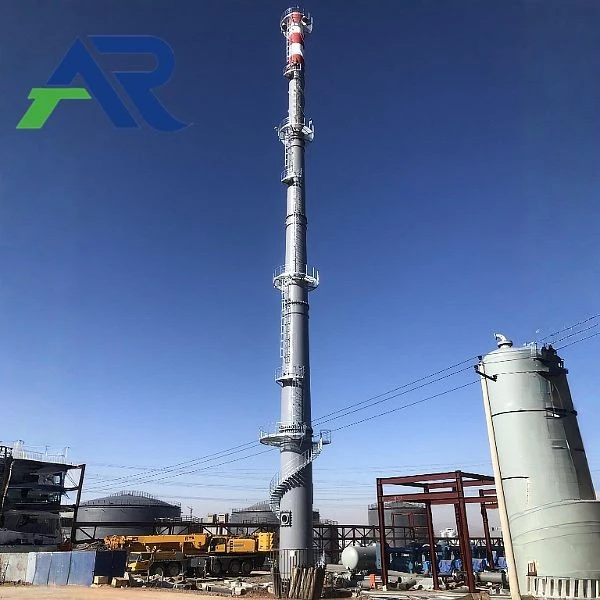
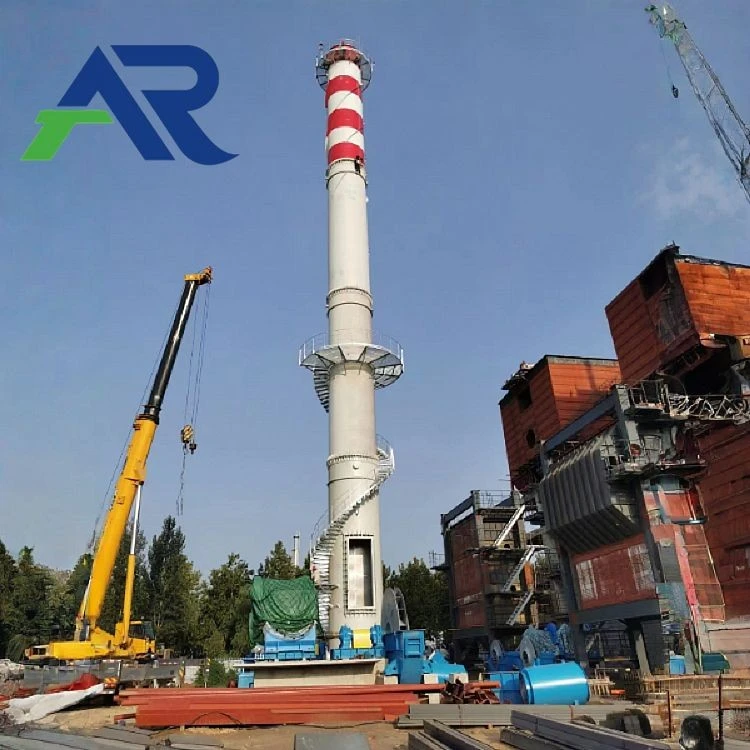
Multi - sleeve chimneys are highly flexible and customizable. They can be designed to fit a variety of applications and site requirements. The pre - fabricated sections can be easily modified to meet specific needs, such as different heights, diameters, and configurations. This flexibility makes multi - sleeve chimneys a great choice for projects with unique requirements.
Conclusion
In conclusion, both multi - sleeve chimneys and masonry chimneys have their own advantages and disadvantages. Masonry chimneys are known for their traditional look and long - standing reliability, but they are more expensive, time - consuming to install, and require more maintenance. Multi - sleeve chimneys, on the other hand, offer a more cost - effective, efficient, and flexible solution. They are lightweight, easy to install, low - maintenance, and environmentally friendly.
If you are considering a chimney for your industrial or large - scale project, I encourage you to explore the benefits of multi - sleeve chimneys. Our team of experts is ready to assist you in choosing the right chimney for your specific needs. Contact us to start a procurement discussion and find out how a multi - sleeve chimney can be the perfect solution for your project.
References
- "Chimney Design and Construction Handbook" - A comprehensive guide on chimney design, covering both masonry and metal chimneys.
- Industry reports on the performance and cost - effectiveness of different types of chimneys.
- Case studies of industrial projects using multi - sleeve and masonry chimneys.