
Hey there! As a supplier of free standing chimneys, I often get asked how these bad boys actually work. So, I thought I'd take a few minutes to break it down for you in a way that's easy to understand.
The Basics of a Free Standing Chimney
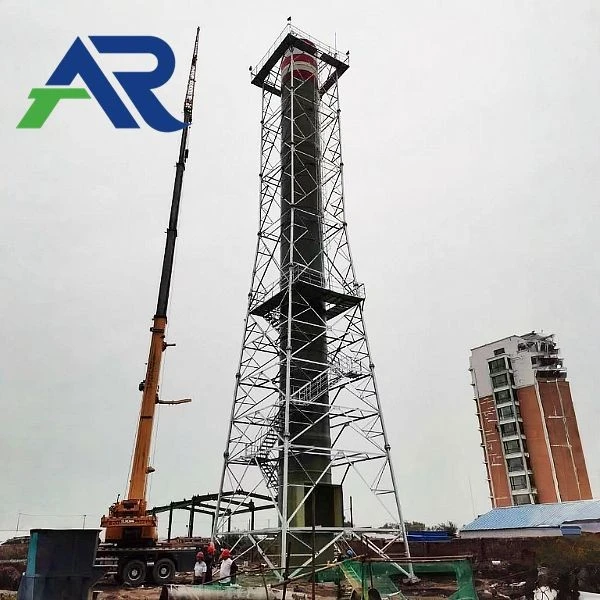
First off, let's talk about what a free standing chimney is. Unlike built - in chimneys that are attached to a building, a free standing chimney stands on its own. It's a self - contained structure that's designed to vent the exhaust gases from industrial processes, power plants, or even large residential heating systems.
The Principle of Buoyancy
The key to how a free standing chimney works lies in the principle of buoyancy. You see, hot air is less dense than cold air. When you have a fire or an industrial process generating hot gases inside the chimney, these hot gases rise. It's like a hot air balloon. The hot air inside the balloon is lighter than the cold air outside, so the balloon goes up. In the same way, the hot exhaust gases in the chimney rise up through the flue.
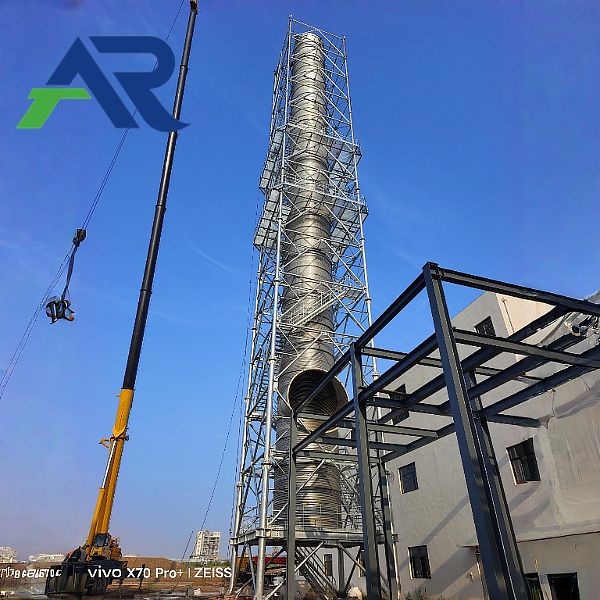
Let's say you have a factory with a Stainless Steel Factory Chimney. The machinery in the factory produces a lot of heat and exhaust gases. These gases enter the base of the chimney. As they heat up the air inside the chimney, the air becomes less dense and starts to move upwards. This upward movement creates a continuous flow of gases out of the factory and into the atmosphere.
Draft
The upward movement of the hot gases creates what we call a draft. Draft is basically the force that pulls the exhaust gases through the chimney. A good draft is essential for the proper functioning of a free standing chimney. There are a few factors that affect the draft.
One of the main factors is the height of the chimney. The taller the chimney, the stronger the draft. This is because the difference in air pressure between the top and the bottom of the chimney increases with height. The greater the height, the more significant the difference in density between the hot air inside the chimney and the cold air outside. So, a taller chimney can create a more powerful upward pull on the exhaust gases.
Another factor is the temperature difference between the inside and the outside of the chimney. The bigger the difference, the stronger the draft. For example, on a cold winter day, the draft in a chimney will be stronger because the contrast between the hot exhaust gases inside and the cold outside air is greater.
Types of Free Standing Chimneys and How They Work
Single Sleeve Chimney
A Single Sleeve Chimney is one of the simplest types of free standing chimneys. It consists of a single flue or sleeve that runs from the base to the top of the chimney. The exhaust gases flow through this single sleeve.
The design of a single sleeve chimney is straightforward. The hot gases enter at the bottom, and due to the principles of buoyancy and draft, they rise up through the sleeve and are released into the atmosphere. These chimneys are often used in smaller industrial applications or in some residential settings where there's only one source of exhaust.
Multi - sleeve Chimney
On the other hand, a Multi - sleeve Chimney is more complex. It has multiple flues or sleeves inside the chimney structure. This type of chimney is used when there are multiple sources of exhaust in a factory or a large building.
Each sleeve can be connected to a different industrial process or heating system. The hot gases from each source enter their respective sleeves. The principles of buoyancy and draft still apply, but each sleeve operates independently to vent its own set of exhaust gases. This allows for more efficient ventilation in large facilities where different processes may produce different types of exhaust gases.
Components of a Free Standing Chimney
The Flue
The flue is the inner passageway of the chimney through which the exhaust gases flow. It's usually made of materials that can withstand high temperatures, such as stainless steel or refractory bricks. The flue needs to be smooth and free of obstructions to ensure a good flow of gases. If there are any blockages in the flue, it can reduce the draft and cause problems with the ventilation.
The Stack
The stack is the visible part of the chimney that rises above the ground. It provides the height necessary to create a strong draft. The stack is also designed to be structurally stable. It has to withstand wind forces, weather conditions, and the weight of the chimney itself. In some cases, the stack may be reinforced with steel or other materials to make it more durable.
The Base
The base of the chimney is where the exhaust gases enter. It's important that the base is properly sealed to prevent any leakage of gases into the surrounding area. The base also provides support for the entire chimney structure. It's usually built on a solid foundation to ensure stability.
Maintenance and Safety
Proper maintenance is crucial for the safe and efficient operation of a free standing chimney. Regular inspections should be carried out to check for any signs of damage, such as cracks in the flue or corrosion in the stack. If any issues are found, they should be repaired immediately.
Safety is also a top priority. Free standing chimneys can pose a risk if not installed and maintained correctly. For example, if there's a problem with the draft, it can cause the exhaust gases to back up into the building, which can be dangerous. It's important to follow all safety regulations and guidelines when installing and using a free standing chimney.
Why Choose Our Free Standing Chimneys
As a supplier, we offer high - quality free standing chimneys that are designed to meet your specific needs. Our chimneys are made from the best materials, ensuring durability and long - term performance. We have a team of experts who can help you choose the right type of chimney for your application, whether it's a single sleeve chimney for a small business or a multi - sleeve chimney for a large factory.
If you're in the market for a free standing chimney, we'd love to hear from you. We can provide you with detailed information, answer your questions, and give you a quote. Just reach out to us, and we'll start the conversation about how we can help you with your ventilation needs. Whether it's improving the efficiency of your industrial processes or ensuring a safe and clean environment, our free standing chimneys are the solution you're looking for.
References
- "Chimney Engineering Handbook"
- "Industrial Ventilation: A Manual of Recommended Practice"