

Traffic signal poles are an integral part of the overall traffic infrastructure ecosystem. As a supplier of Traffic Signal Pole Types, I have witnessed firsthand how these poles interact with other traffic elements to ensure the smooth and safe flow of vehicles and pedestrians. In this blog, we will explore the various ways in which different traffic signal pole types interact with other traffic infrastructure components.
Interaction with Traffic Signals
The most obvious interaction of traffic signal poles is with the traffic signals themselves. Traffic signal poles are designed to support and position traffic signals at optimal heights and angles for maximum visibility. Different types of poles, such as mast arms, cantilever poles, and single - post poles, are used depending on the location and traffic requirements.
Mast arms are commonly used at intersections where multiple traffic signals need to be installed. They can extend over the roadway, allowing for the placement of signals directly over the lanes of traffic. This ensures that drivers can clearly see the signals from a distance, regardless of their position on the road. Mast arms are often adjustable, which means that the height and angle of the traffic signals can be fine - tuned to account for factors such as the curvature of the road or the presence of nearby buildings.
Cantilever poles are another type of traffic signal pole that is used in areas where there is limited space on the side of the road. These poles are designed to support traffic signals at a distance from the pole base, using a long, horizontal arm. Cantilever poles are particularly useful in areas with wide roadways or where there are multiple lanes of traffic, as they can provide a clear view of the signals for all drivers.
Single - post poles are typically used in less complex traffic situations, such as at smaller intersections or on residential streets. These poles are simple and cost - effective, and they can support a single traffic signal or a small group of signals. Single - post poles are often used in combination with other traffic infrastructure elements, such as traffic signs and pedestrian crosswalks.
Interaction with Traffic Signs
Traffic signal poles also interact with traffic signs. In many cases, traffic signs are mounted on the same poles as traffic signals. This not only saves space but also ensures that drivers can easily see both the signals and the signs at the same time. For example, a stop sign may be mounted on the same pole as a traffic signal at an intersection. This combination of visual cues helps to reinforce the traffic rules and reduces the likelihood of confusion among drivers.
In addition to mounting traffic signs on the same poles as traffic signals, traffic signal poles can also be used to support other types of signs, such as directional signs and warning signs. These signs can provide important information to drivers, such as the location of nearby exits or the presence of a hazard on the road. By integrating these signs with traffic signal poles, the overall traffic infrastructure becomes more efficient and effective.
Interaction with Pedestrian Infrastructure
Pedestrian safety is a crucial aspect of traffic infrastructure, and traffic signal poles play an important role in this area. Many traffic signal poles are equipped with pedestrian signals, which are used to control the flow of pedestrians at intersections. These signals are typically mounted at a lower height than vehicle traffic signals, making them easily visible to pedestrians.
In addition to pedestrian signals, traffic signal poles can also be used to support other pedestrian - related infrastructure, such as crosswalk lights and pedestrian countdown timers. Crosswalk lights are used to indicate when it is safe for pedestrians to cross the road, while pedestrian countdown timers provide pedestrians with information about how much time they have left to cross the road. By integrating these elements with traffic signal poles, the safety and convenience of pedestrians are greatly enhanced.
Interaction with Smart City Technologies
The rise of smart city technologies has also had a significant impact on the interaction between traffic signal poles and other traffic infrastructure. Smart Light Pole is an example of how traffic signal poles can be integrated with advanced technologies. Smart light poles can be equipped with sensors, cameras, and communication devices, which can collect and transmit data about traffic conditions, air quality, and other environmental factors.
This data can be used to optimize traffic flow, improve safety, and enhance the overall efficiency of the traffic infrastructure. For example, sensors on smart light poles can detect the presence of vehicles and pedestrians, and adjust the timing of traffic signals accordingly. This can help to reduce congestion and improve the travel time for both drivers and pedestrians.

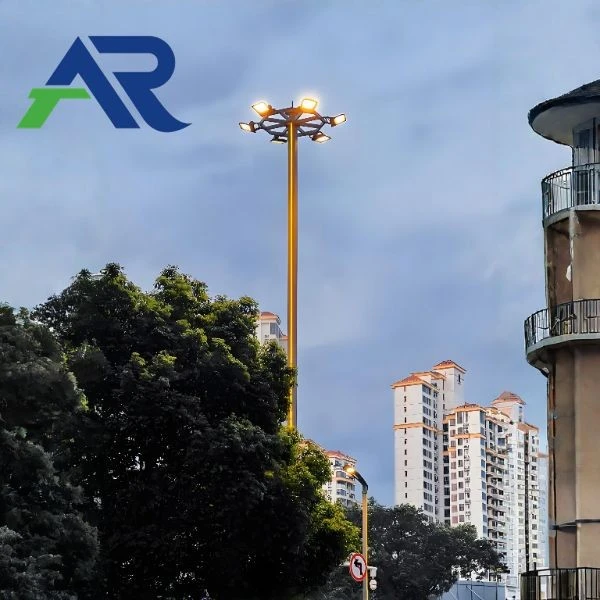
In addition to traffic management, smart light poles can also be used for other purposes, such as public safety and environmental monitoring. Cameras on smart light poles can be used to monitor traffic violations and criminal activity, while air quality sensors can provide real - time information about pollution levels in the area.
Interaction with Municipal Light Pole
Municipal light poles are often part of the same overall traffic infrastructure system as traffic signal poles. In many cases, municipal light poles are used to provide illumination for roads and sidewalks, while traffic signal poles are used to control the flow of traffic. However, there are also situations where the two types of poles can interact.
For example, in some urban areas, traffic signal poles and municipal light poles are combined into a single structure. This not only saves space but also reduces the overall cost of installation and maintenance. These combined poles can provide both traffic control and illumination, making them a more efficient and effective solution for urban traffic management.
Conclusion
In conclusion, traffic signal poles interact with other traffic infrastructure components in a variety of ways. From supporting traffic signals and signs to enhancing pedestrian safety and integrating with smart city technologies, traffic signal poles play a crucial role in ensuring the smooth and safe flow of traffic. As a supplier of Traffic Signal Pole Types, we understand the importance of these interactions and are committed to providing high - quality products that meet the diverse needs of our customers.
If you are interested in learning more about our traffic signal pole types or are looking to purchase traffic signal poles for your traffic infrastructure project, we encourage you to contact us. Our team of experts is ready to assist you in selecting the right poles for your specific requirements and to provide you with the best possible solutions.
References
- Federal Highway Administration. (20XX). Traffic Signal Design Manual.
- Institute of Transportation Engineers. (20XX). Traffic Engineering Handbook.
- Smart Cities Council. (20XX). Best Practices for Smart City Infrastructure.