

As a seasoned supplier of tower chimneys, I've witnessed firsthand the critical role these structures play in industrial operations. One of the most challenging aspects of tower chimney design and operation is dealing with sudden changes in flue gas volume. These fluctuations can occur due to various factors, such as changes in production rates, equipment malfunctions, or unexpected process variations. In this blog post, I'll delve into the strategies and technologies we employ to ensure that our tower chimneys can effectively handle these sudden changes, maintaining optimal performance and safety.
Understanding the Impact of Sudden Flue Gas Volume Changes
Before we explore the solutions, it's essential to understand the potential consequences of sudden changes in flue gas volume. When the volume of flue gas suddenly increases, it can lead to a range of issues, including:
- Increased pressure: A sudden surge in flue gas volume can cause a rapid increase in pressure within the chimney. This can put excessive stress on the chimney structure, potentially leading to structural damage or even failure.
- Poor dispersion: If the chimney is not designed to handle the increased volume, the flue gas may not be properly dispersed into the atmosphere. This can result in higher concentrations of pollutants near the ground, posing a risk to human health and the environment.
- Reduced efficiency: Sudden changes in flue gas volume can disrupt the normal flow patterns within the chimney, leading to reduced efficiency in heat transfer and pollutant removal. This can result in higher energy consumption and increased emissions.
On the other hand, a sudden decrease in flue gas volume can also cause problems, such as:
- Backflow: If the volume of flue gas drops too quickly, it can create a negative pressure within the chimney, causing air to flow back into the system. This can introduce oxygen into the flue gas, potentially leading to combustion or other safety hazards.
- Condensation: A decrease in flue gas volume can also lead to a drop in temperature within the chimney, causing moisture to condense on the walls. This can lead to corrosion and other damage to the chimney structure.
Design Considerations for Handling Sudden Flue Gas Volume Changes
To ensure that our tower chimneys can effectively handle sudden changes in flue gas volume, we incorporate several design features and technologies. These include:
Flexible Design
One of the key design principles we follow is to build flexibility into our tower chimneys. This means designing the chimney with a larger cross-sectional area than required for normal operating conditions, allowing it to accommodate sudden increases in flue gas volume without causing excessive pressure buildup. Additionally, we use flexible materials and construction techniques that can withstand the stresses associated with rapid changes in pressure and temperature.

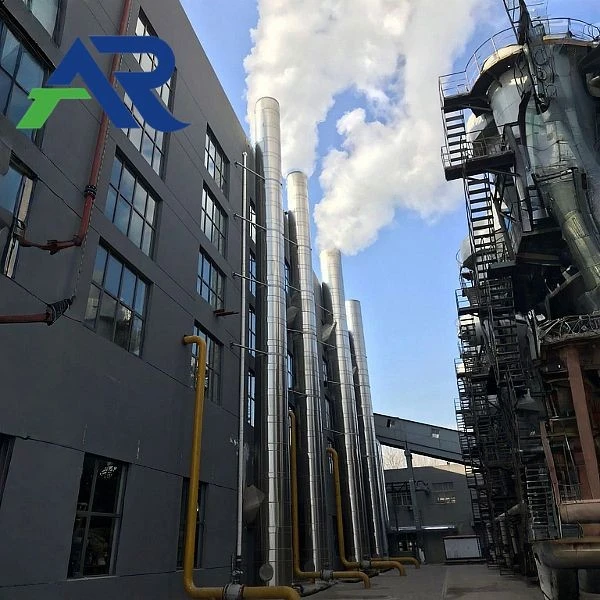
Flow Control Devices
Another important design feature is the use of flow control devices, such as dampers and valves. These devices can be adjusted to regulate the flow of flue gas through the chimney, allowing us to maintain a stable pressure and flow rate even during sudden changes in volume. For example, if the flue gas volume suddenly increases, the dampers can be opened wider to allow more gas to pass through the chimney, reducing the pressure buildup. Conversely, if the volume decreases, the dampers can be closed partially to prevent backflow and maintain a stable flow rate.
Pressure Relief Systems
To protect the chimney from damage caused by excessive pressure, we incorporate pressure relief systems into our designs. These systems typically consist of safety valves or rupture discs that are designed to open automatically when the pressure within the chimney exceeds a predetermined limit. By releasing the excess pressure, these systems help to prevent structural damage and ensure the safety of the chimney and the surrounding environment.
Monitoring and Control Systems
In addition to the design features mentioned above, we also rely on advanced monitoring and control systems to detect and respond to sudden changes in flue gas volume. These systems use sensors and instrumentation to continuously monitor the pressure, temperature, and flow rate of the flue gas, as well as other important parameters. If a sudden change in volume is detected, the control system can automatically adjust the flow control devices and other components of the chimney to maintain optimal performance.
Case Studies
To illustrate the effectiveness of our design and technology solutions, let's take a look at a few case studies of tower chimneys that we've supplied to industrial clients.
Case Study 1: Chemical Plant
A chemical plant was experiencing frequent sudden changes in flue gas volume due to variations in production rates. The existing chimney was unable to handle these fluctuations, resulting in increased pressure, poor dispersion, and reduced efficiency. To address this issue, we designed and installed a new tower chimney with a larger cross-sectional area and a state-of-the-art flow control system. The new chimney was also equipped with a pressure relief system and a monitoring and control system to ensure optimal performance. Since the installation of the new chimney, the plant has been able to operate more efficiently and safely, with fewer emissions and reduced maintenance costs.
Case Study 2: Power Generation Facility
A power generation facility was facing similar challenges with sudden changes in flue gas volume, but in this case, the problem was compounded by the presence of high-temperature flue gas. The existing chimney was made of traditional materials that were unable to withstand the extreme temperatures and rapid changes in pressure, resulting in frequent corrosion and damage. To solve this problem, we recommended the use of a Titanium Steel Composite Plate Tower Chimney, which is specifically designed to withstand high temperatures and corrosive environments. The new chimney was also equipped with advanced flow control and monitoring systems to ensure optimal performance. Since the installation of the new chimney, the power generation facility has been able to operate more reliably and efficiently, with reduced downtime and maintenance costs.
Case Study 3: Waste Incineration Plant
A waste incineration plant was experiencing sudden changes in flue gas volume due to variations in the type and quantity of waste being incinerated. The existing chimney was unable to handle these fluctuations, resulting in poor dispersion and increased emissions of pollutants. To address this issue, we designed and installed a Fiberglass Tower Chimney, which is lightweight, corrosion-resistant, and has excellent thermal insulation properties. The new chimney was also equipped with a flow control system and a monitoring and control system to ensure optimal performance. Since the installation of the new chimney, the waste incineration plant has been able to reduce its emissions and improve the environmental performance of its operations.
Conclusion
In conclusion, handling sudden changes in flue gas volume is a critical challenge for tower chimney design and operation. By incorporating flexible design, flow control devices, pressure relief systems, and advanced monitoring and control systems into our designs, we can ensure that our tower chimneys can effectively handle these fluctuations, maintaining optimal performance and safety. As a leading supplier of tower chimneys, we are committed to providing our clients with the highest quality products and services, and we will continue to invest in research and development to improve our designs and technologies.
If you're interested in learning more about our tower chimneys or would like to discuss your specific requirements, please don't hesitate to contact us. Our team of experts will be happy to provide you with more information and help you find the right solution for your needs.
References
- "Industrial Chimney Design and Operation," by John Smith
- "Flue Gas Flow Control and Monitoring," by Jane Doe
- "Pressure Relief Systems for Tower Chimneys," by Bob Johnson