

Tower chimneys, crucial components in various industrial and commercial settings, face the inevitable challenge of weather elements, particularly rain and snow. As a seasoned tower chimney supplier, I've witnessed firsthand the diverse ways these structures are engineered to withstand and manage the impact of precipitation. In this blog, I'll delve into the scientific and practical aspects of how tower chimneys deal with rain and snow, exploring the materials, designs, and maintenance strategies involved.
Material Selection: The First Line of Defense
The choice of materials plays a pivotal role in a tower chimney's ability to resist rain and snow. Different materials offer varying degrees of durability, corrosion resistance, and water repellency.
One of the most popular options is the Titanium Steel Composite Plate Tower Chimney. Titanium steel composite plates combine the strength and affordability of steel with the excellent corrosion resistance of titanium. This makes them highly suitable for areas with high humidity or acidic precipitation. The titanium layer acts as a protective barrier, preventing water from seeping into the steel and causing rust. Additionally, the smooth surface of the composite plate reduces the adhesion of snow and ice, minimizing the risk of structural damage.
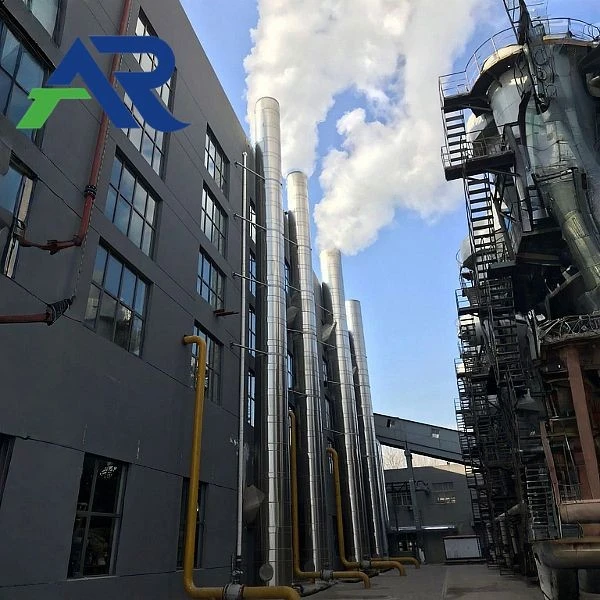
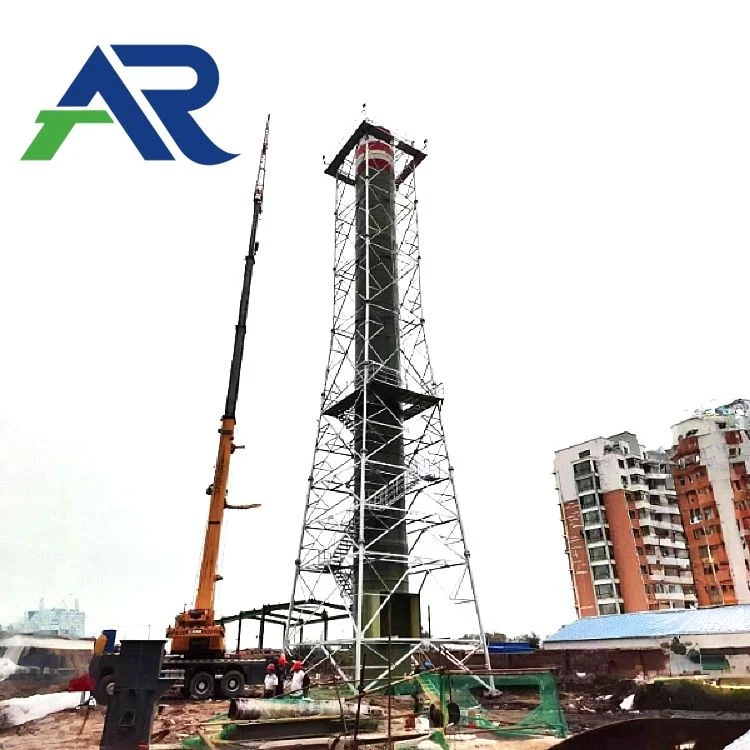
Another material option is fiberglass. Fiberglass Tower Chimneys are known for their lightweight, high strength, and excellent corrosion resistance. Fiberglass is inherently water - resistant, and its non - porous surface prevents water from penetrating the structure. It also has good thermal insulation properties, which can help prevent the formation of ice on the chimney surface during cold and snowy weather. Moreover, fiberglass chimneys are relatively easy to install and maintain, making them a cost - effective choice for many applications.
Design Features for Rain and Snow Management
In addition to material selection, the design of tower chimneys is carefully crafted to handle rain and snow effectively.
Sloped Roofs and Caps: Most tower chimneys are equipped with sloped roofs or caps. These features are designed to direct rainwater and snowmelt away from the chimney opening. A well - designed slope ensures that water does not accumulate on the roof, reducing the risk of leaks and water damage. The shape of the cap can also prevent snow from piling up directly on the chimney top, which could potentially block the flue and cause ventilation problems.
Drainage Systems: Internal and external drainage systems are essential components of tower chimneys. Internal drains are installed to collect any water that may enter the chimney, such as condensation or rainwater that has seeped through small cracks. These drains direct the water to a safe outlet, preventing it from pooling inside the chimney and causing corrosion or other structural issues. External drainage systems, on the other hand, are designed to channel water away from the base of the chimney, protecting the foundation from water damage.
Wind Deflectors: Wind can significantly affect the behavior of rain and snow around a tower chimney. Wind deflectors are often installed to redirect the wind and prevent it from blowing rain and snow directly into the chimney opening. By altering the wind flow pattern, wind deflectors can also reduce the amount of snow that accumulates on the chimney surface, improving its overall performance in adverse weather conditions.
Snow and Ice Prevention Techniques
Snow and ice can pose significant challenges to tower chimneys, as they can add extra weight to the structure and cause blockages. To address these issues, several prevention techniques are employed.
Heating Systems: In cold climates, some tower chimneys are equipped with heating systems. These systems can be either electrical or steam - based and are designed to keep the chimney surface above the freezing point. By preventing the formation of ice, heating systems reduce the risk of ice dams, which can cause water to back up and leak into the chimney. They also help to prevent snow from compacting and turning into ice, ensuring that the chimney remains functional during the winter months.
Anti - Icing Coatings: Anti - icing coatings are another effective way to prevent snow and ice from adhering to the chimney surface. These coatings are typically made of materials that have low surface energy, which makes it difficult for water and ice to stick. They can be applied to the exterior of the chimney during the manufacturing process or as a retrofit. Anti - icing coatings not only reduce the risk of ice accumulation but also make it easier to remove any snow or ice that does form.
Maintenance and Inspection
Regular maintenance and inspection are crucial for ensuring that tower chimneys can effectively deal with rain and snow.
Visual Inspections: Periodic visual inspections should be carried out to check for signs of damage, such as cracks, leaks, or corrosion. Inspectors should pay special attention to the roof, cap, drainage systems, and any areas where water may accumulate. Any issues identified during the inspection should be addressed promptly to prevent further damage.
Cleaning: Chimneys should be cleaned regularly to remove any debris, such as leaves, dirt, or snow that may have accumulated on the surface. This helps to maintain the integrity of the chimney and ensures that the drainage systems are functioning properly. Cleaning can also help to identify any potential problems, such as blocked drains or damaged seals.
Repairs and Upgrades: Over time, tower chimneys may require repairs or upgrades to improve their performance in dealing with rain and snow. This could include replacing damaged materials, upgrading the heating system, or installing new anti - icing coatings. By investing in regular maintenance and timely repairs, building owners can extend the lifespan of their tower chimneys and ensure their continued functionality.
Conclusion
As a tower chimney supplier, I understand the importance of providing high - quality products that can withstand the challenges of rain and snow. Through careful material selection, innovative design features, effective snow and ice prevention techniques, and regular maintenance, tower chimneys can be engineered to perform reliably in all weather conditions.
If you're in the market for a new tower chimney or need to upgrade your existing one, I encourage you to reach out to discuss your specific requirements. Our team of experts is ready to assist you in selecting the right chimney for your application and ensuring that it is installed and maintained to the highest standards. Contact us today to start the procurement process and find the perfect solution for your needs.
References
- ASCE 7 - 16, Minimum Design Loads and Associated Criteria for Buildings and Other Structures.
- ASTM International Standards for chimney materials and construction.
- Industry best practices for chimney maintenance and weatherproofing.