
Power outages during maintenance are a critical concern in the electrical power industry. As a leading Electric Power Tower supplier, we understand the importance of handling these situations effectively to minimize disruptions and ensure the reliability of the power grid. In this blog post, we will explore how electric power towers manage power outages during maintenance, the strategies employed, and the technologies involved.
Understanding the Need for Maintenance
Electric power towers are essential components of the power transmission infrastructure. They support high - voltage power lines that carry electricity from power generation plants to substations and ultimately to consumers. Over time, these towers are exposed to various environmental factors such as wind, rain, snow, and corrosion, which can cause wear and tear. Regular maintenance is necessary to ensure their structural integrity, electrical performance, and overall safety.
During maintenance, power outages may be required to provide a safe working environment for technicians. This is because working on live electrical equipment can be extremely dangerous, posing risks of electrocution, short - circuits, and equipment damage. However, power outages can have significant impacts on consumers, businesses, and the economy. Therefore, it is crucial to manage these outages efficiently.
Pre - Maintenance Planning
One of the key steps in handling power outages during maintenance is pre - maintenance planning. Our team of experts works closely with power grid operators to develop comprehensive maintenance schedules. These schedules take into account factors such as peak and off - peak demand periods, weather conditions, and the availability of alternative power sources.
For example, maintenance activities are often scheduled during off - peak hours when the demand for electricity is relatively low. This helps to minimize the impact on consumers. Additionally, we use advanced weather forecasting tools to avoid scheduling maintenance during extreme weather events, as this could further complicate the restoration process.
Load Transfer and Backup Power
To reduce the duration and impact of power outages, load transfer and backup power systems are employed. Load transfer involves rerouting the flow of electricity from the power lines being maintained to alternative routes. This can be achieved through the use of switchgear and circuit breakers, which are essential components of the power grid's control system.
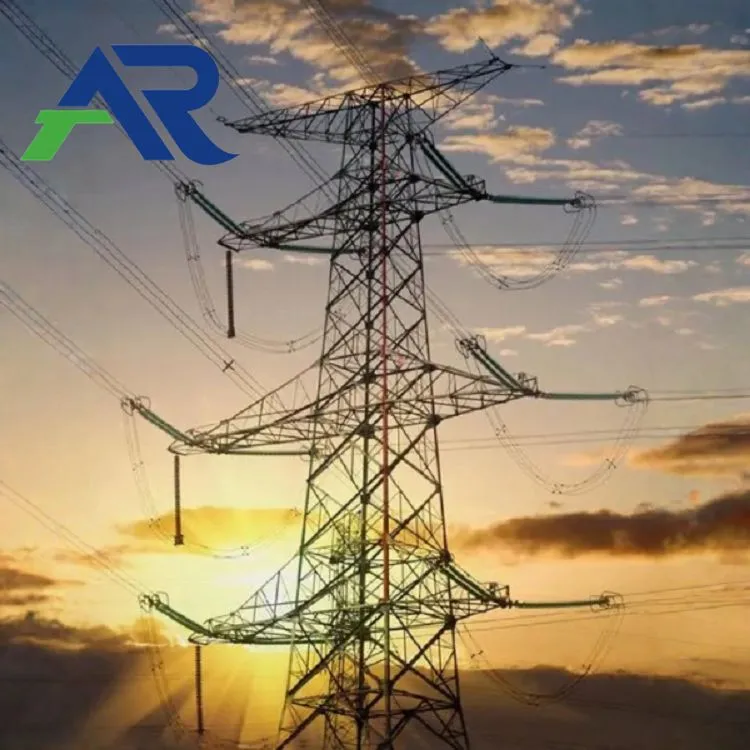

Electrical Tower For Electricity Transmission are designed to support redundant power lines, allowing for seamless load transfer. In some cases, backup power sources such as diesel generators, battery energy storage systems, or renewable energy sources like solar and wind can be used to supply electricity to critical consumers during maintenance.
Isolation and Lockout - Tagout Procedures
Before any maintenance work begins, strict isolation and lockout - tagout procedures are followed. Technicians first identify the specific power lines and equipment that need to be maintained. Then, they use isolation switches to disconnect the power supply to these components. Once isolated, the equipment is locked and tagged to prevent accidental re - energization.
This is a critical safety measure that protects technicians from electrical hazards. Our Electrical Tower are designed with easy - to - access isolation points, making it easier for technicians to perform these procedures quickly and safely.
Real - Time Monitoring and Communication
During maintenance, real - time monitoring and communication systems play a vital role. Advanced sensors are installed on power towers and power lines to monitor parameters such as voltage, current, temperature, and vibration. These sensors provide continuous data to the control center, allowing operators to detect any potential issues in real - time.
Communication systems, including radio and satellite communication, are used to keep technicians, operators, and other stakeholders informed about the progress of the maintenance work. In case of any unexpected problems, quick decisions can be made to address them, minimizing the duration of the power outage.
Restoration of Power
Once the maintenance work is completed, the power is restored in a controlled manner. First, technicians perform a thorough inspection of the equipment to ensure that it is in proper working condition. Then, the isolation switches are reopened, and the power is gradually restored to the affected areas.
During the restoration process, voltage and frequency are carefully monitored to prevent any electrical surges or instability. Our Communication Tower Building can also be used to support communication systems during the restoration process, ensuring smooth coordination between different teams.
Impact on Consumers and Mitigation Strategies
Power outages during maintenance can have a significant impact on consumers. Residential consumers may experience inconvenience, such as loss of lighting, heating, and cooling. Businesses may face disruptions in their operations, leading to financial losses.
To mitigate these impacts, power grid operators often provide advance notice to consumers about upcoming maintenance and power outages. They also offer support services such as emergency hotlines and alternative power solutions for critical consumers. As a power tower supplier, we work with operators to develop innovative solutions that can further reduce the impact on consumers.
Technological Advancements in Power Tower Maintenance
The field of power tower maintenance is constantly evolving, with new technologies being developed to improve efficiency and reduce the need for power outages. For example, the use of drones for inspection purposes has become increasingly popular. Drones can quickly and safely inspect power towers, identifying potential issues such as corrosion, loose bolts, or damaged insulators without the need for technicians to climb the towers.
Another technological advancement is the use of smart grid technologies. These technologies enable real - time monitoring and control of the power grid, allowing for more precise load management and faster restoration of power during outages.
The Role of a Reliable Power Tower Supplier
As a leading Electric Power Tower supplier, we play a crucial role in ensuring the reliability of the power grid during maintenance. Our towers are designed and manufactured to the highest standards, using high - quality materials and advanced manufacturing processes.
We also provide comprehensive after - sales support, including maintenance training for technicians and spare parts supply. Our team of experts is always available to work with power grid operators to develop customized solutions for their specific needs.
Conclusion
Handling power outages during maintenance is a complex but essential task in the electrical power industry. Through careful planning, the use of advanced technologies, and effective communication, we can minimize the impact of these outages on consumers and ensure the reliable operation of the power grid.
If you are in the market for high - quality Electric Power Towers or need support with power tower maintenance, we invite you to contact us for procurement and further discussions. Our team of experts is ready to assist you in finding the best solutions for your power transmission needs.
References
- Electrical Power System Engineering, by Turan Gonen
- Power System Analysis and Design, by J. Duncan Glover, Mulukutla S. Sarma, and Thomas J. Overbye
- Handbook of Electric Power Calculations, by Hadi Saadat