

Hey there! As a supplier of Electric Power Towers, I've been getting a lot of questions lately about how these structures adapt to seismic zones. It's a super important topic, especially considering the potential risks that earthquakes pose to our power infrastructure. So, let's dive right in and explore how we make our power towers earthquake - resistant.
Understanding the Seismic Threat
First off, we need to understand what makes seismic zones so challenging for electric power towers. Earthquakes generate ground motions that can cause significant stress on these structures. The shaking can lead to excessive vibrations, which may result in structural damage, deformation, or even collapse. Different seismic zones have varying levels of seismic activity, characterized by factors like the magnitude of potential earthquakes and the frequency of seismic events.
In areas with high seismicity, the ground can move in multiple directions during an earthquake. Horizontal movements are often the most critical for power towers because they can create bending and shear forces on the tower legs and cross - arms. Vertical movements can also play a role, affecting the foundation's stability and causing uplift or settlement.
Design Features for Seismic Resistance
One of the key ways our Electric Power Towers adapt to seismic zones is through smart design. We use advanced engineering techniques to ensure that the towers can withstand the forces generated by earthquakes.
Strong Foundation
The foundation is the backbone of any power tower. In seismic zones, we design deep and robust foundations that can anchor the tower firmly to the ground. Pile foundations are commonly used, where long, slender piles are driven deep into the soil or rock. These piles transfer the tower's loads to more stable layers below the ground surface, reducing the risk of settlement or tilting during an earthquake. We also conduct detailed geotechnical investigations to understand the soil properties at the tower site. This helps us determine the appropriate foundation type and size. For example, in areas with soft soil, we might use larger - diameter piles or group piles to increase the foundation's bearing capacity.
Structural Geometry
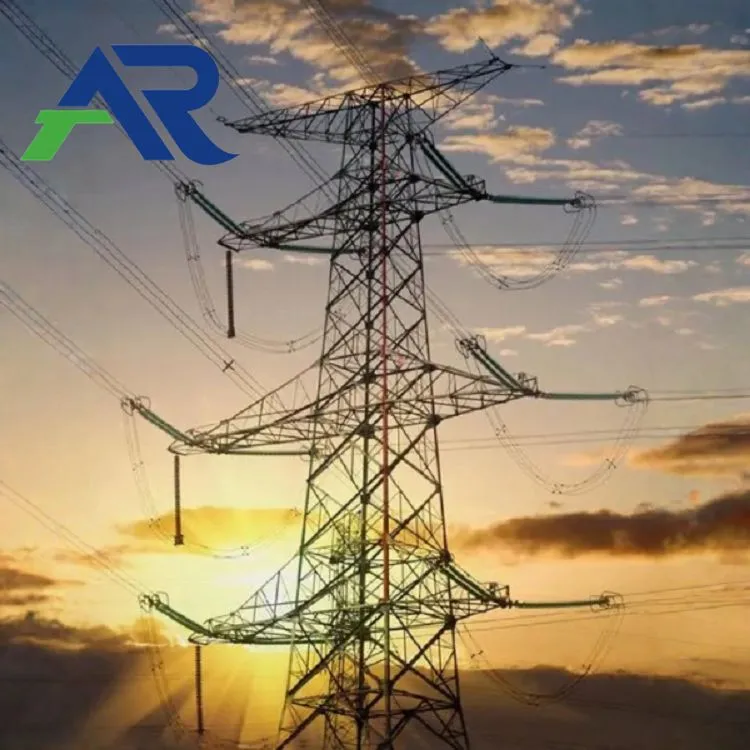
The shape and geometry of the power tower also play a crucial role in its seismic performance. Our towers are designed with a triangular or lattice structure. This type of design provides inherent stability and distributes the seismic forces more evenly throughout the structure. The triangular shape is particularly effective because it resists deformation better than other shapes. Additionally, we use diagonal members in the lattice structure to further enhance the tower's stiffness and strength. These diagonal members help to transfer the seismic loads from one part of the tower to another, preventing localized failure.
Flexible Connections
We incorporate flexible connections in our power towers to allow for some movement during an earthquake. Rigid connections can cause stress concentrations, which may lead to structural damage. By using flexible connections, such as bolted joints, the tower can absorb and dissipate the seismic energy without breaking. These connections also allow the tower to adjust to the ground movements, reducing the overall stress on the structure.
Material Selection
The choice of materials is another important factor in making power towers suitable for seismic zones. We use high - strength steel for the tower's structural members. High - strength steel has excellent ductility, which means it can deform plastically before failing. This property allows the tower to absorb a significant amount of seismic energy without collapsing.
We also ensure that the steel used in the towers is of high quality and meets strict industry standards. Quality control measures are in place during the manufacturing process to check the material's properties, such as its strength, hardness, and chemical composition. Additionally, we apply protective coatings to the steel to prevent corrosion, which can weaken the structure over time.
Testing and Simulation
Before our power towers are installed in seismic zones, we conduct extensive testing and simulation. We use computer - based finite element analysis (FEA) to model the tower's behavior under different seismic scenarios. FEA allows us to predict how the tower will respond to seismic forces, identify potential weak points, and make design improvements.
We also perform physical testing on scale models of the power towers. These tests involve subjecting the models to simulated seismic motions in a laboratory setting. By measuring the model's response, such as its displacement, acceleration, and stress levels, we can validate the design and ensure that the tower meets the required seismic performance criteria.
Real - World Examples
There have been many successful examples of power towers adapting to seismic zones around the world. In Japan, a country known for its high seismic activity, power companies have installed advanced power towers that can withstand large - magnitude earthquakes. These towers use the latest design and construction techniques, such as deep pile foundations and flexible connections. During the 2011 Tohoku earthquake, many of these towers remained intact, ensuring the continuity of power supply in the affected areas.
In California, USA, power grid operators have also been upgrading their power towers to make them more earthquake - resistant. They are using innovative design features and high - strength materials to improve the towers' seismic performance. These efforts have helped to reduce the risk of power outages during earthquakes and protect the power infrastructure from damage.
Our Products
As a supplier, we offer a wide range of Electrical Tower solutions for seismic zones. Our towers are designed and manufactured to the highest standards, ensuring reliable performance even in the most challenging seismic conditions. We also provide Industrial Iron Towers that are suitable for industrial applications in seismic areas. These towers are built to handle heavy loads and can withstand the seismic forces associated with industrial operations.
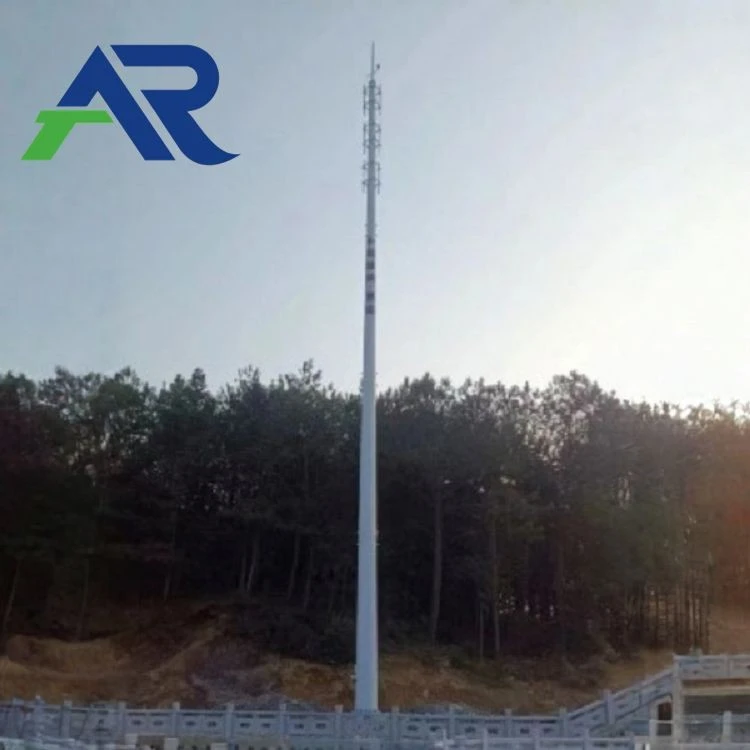
In addition, we are involved in Communication Tower Building. Our communication towers are engineered to be earthquake - resistant, ensuring that communication networks remain operational during and after an earthquake.
Contact Us for Purchase
If you're in the market for power towers that can adapt to seismic zones, we'd love to hear from you. Whether you're a power company, an industrial operator, or involved in communication infrastructure, we have the expertise and products to meet your needs. Contact us today to start a discussion about your project requirements and how our power towers can provide a reliable solution in seismic zones.
References
- Chopra, A. K. (2007). Dynamics of Structures: Theory and Applications to Earthquake Engineering. Pearson Prentice Hall.
- Priestley, M. J. N., Seible, F., & Calvi, G. M. (1996). Seismic Design and Retrofit of Bridges. John Wiley & Sons.
- National Earthquake Hazards Reduction Program (NEHRP). (2015). Recommended Seismic Design Provisions for New Buildings and Other Structures. Federal Emergency Management Agency (FEMA).