
Hey there! I'm a supplier in the business of Communication Tower Building. Today, I wanna chat about how these bad - boys improve communication in remote areas.
Let's face it, remote areas have always been lagging behind when it comes to communication. Whether it's a small village deep in the mountains or a far - flung island in the middle of the ocean, getting a decent signal has been a real pain in the neck. But that's where communication tower buildings come in, and they're changing the game big time.
First off, let's talk about range. Communication tower buildings are like the superheroes of the communication world. They're tall, which gives them a much wider reach compared to smaller, ground - based antennas. You see, radio waves travel in a straight line, and if there are obstacles like mountains or tall trees, they can get blocked. But a high - rise communication tower can rise above these obstacles and send signals over long distances.
For example, a typical cell phone tower can cover an area of several square kilometers. In a remote area, this means that people living in scattered homes or small communities can finally get a reliable connection. They can make calls, send texts, and even access the internet. It's like bringing the modern world to places that were once cut off.
Another great thing about communication tower buildings is that they can support multiple types of communication. We're not just talking about your regular cell phone signals. These towers can also handle radio and television broadcasts. In a remote area, this is a huge deal. People can stay informed about the news, listen to their favorite radio shows, and watch TV. It enriches their lives and helps them feel more connected to the rest of the world.
When it comes to the technology behind these towers, it's pretty cool. Most communication tower buildings use a combination of transmitters and receivers. The transmitters send out signals, while the receivers pick up incoming signals. And thanks to advancements in technology, these towers can now handle a much higher volume of data. This means that even in a remote area with a growing population, the tower can keep up with the demand for communication.
Now, let's touch on the infrastructure aspect. Building a communication tower in a remote area isn't easy. You've got to deal with difficult terrain, harsh weather conditions, and sometimes even a lack of basic utilities. But once it's up and running, it can be a game - changer for the local community.
For instance, these towers often require a power source. In some cases, solar panels can be used to power the tower, which is great for remote areas where there might not be a reliable electrical grid. This not only makes the tower more sustainable but also reduces the cost of operation in the long run.
And speaking of infrastructure, the construction of a communication tower can also lead to the development of other facilities in the area. For example, roads might be built to transport materials for the tower, and this can improve access to the area for other purposes too. It can even attract more businesses to set up shop in the area, which can boost the local economy.
As a supplier of Communication Tower Building, I've seen firsthand the impact these towers can have. We've worked on projects in some of the most remote parts of the world, and the feedback from the local communities has been amazing. People are grateful for the new - found ability to communicate with the outside world.
One of the challenges we face, though, is the cost. Building a communication tower is not cheap. There are costs associated with the materials, the construction, and the maintenance. But when you think about the long - term benefits, it's definitely worth it. And as a supplier, we're always looking for ways to reduce costs without compromising on quality.
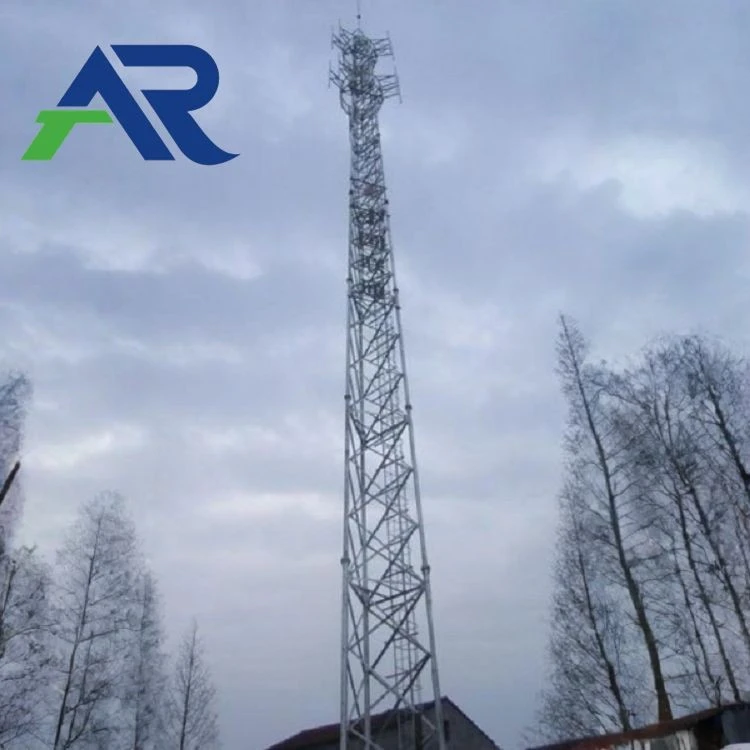

We also offer different types of towers to suit the specific needs of each area. For example, if the area has a lot of high winds, we can provide a tower that's more aerodynamic and stable. Or if the area has limited space, we can offer a more compact tower design.
Now, let's talk about the role of Iron Towers in all this. Iron towers are a popular choice for communication tower buildings because they're strong and durable. They can withstand harsh weather conditions and last for a long time. And they're also relatively easy to install, which is important when you're working in a remote area with limited resources.
In addition to iron towers, Electrical Tower For Electricity Transmission can also play a role in improving communication in remote areas. Sometimes, these electrical towers can be used to support communication equipment. This is a great way to make use of existing infrastructure and reduce the cost of building new towers.
If you're someone who's involved in a project to improve communication in a remote area, or if you're just interested in learning more about communication tower buildings, I'd love to hear from you. Whether you're a government agency, a non - profit organization, or a private company, we can work together to find the best solution for your needs.
We can have a chat about your specific requirements, the budget, and the timeline. And we'll do our best to provide you with a high - quality communication tower building that meets your expectations. So, don't hesitate to reach out and start the conversation. We're here to help you bring better communication to those remote areas.
In conclusion, communication tower buildings are a crucial part of improving communication in remote areas. They offer a wide range of benefits, from extending the range of signals to supporting multiple types of communication. And with the right technology and infrastructure, they can make a real difference in the lives of people living in these areas. So, if you're looking to make a positive impact in a remote community, consider investing in a communication tower building.
References
- "Telecommunication Infrastructure in Remote Areas: Challenges and Solutions" - Journal of Rural Development and Communication
- "The Impact of Communication Towers on Rural Communities" - International Journal of Community Development