

Designing iron towers is a complex and intricate process that requires a deep understanding of engineering principles, environmental factors, and the specific requirements of the project. As an iron tower supplier, I have been involved in numerous tower design and construction projects, and I am excited to share some insights into how these structures are designed.
Understanding the Purpose
The first step in designing an iron tower is to understand its purpose - is it for Electrical Tower For Electricity Transmission, Communication Tower Building, or some other application? Each type of tower has unique requirements. For example, an electrical transmission tower needs to support heavy power lines over long distances, while a communication tower must be able to hold various antennas and equipment at a stable height.
Site Analysis
Once the purpose is clear, a detailed site analysis is conducted. This involves studying the geographical location, soil conditions, climate, and wind patterns of the area where the tower will be erected. The soil's bearing capacity is crucial as it determines the foundation design of the tower. In areas with soft or unstable soil, deeper and more robust foundations may be required.
The climate and wind patterns also play a significant role. High - wind areas demand towers that can withstand strong gusts without toppling. Engineers use historical weather data and advanced computational fluid dynamics (CFD) simulations to predict the wind loads on the tower. In regions prone to earthquakes, seismic resistance must also be considered in the design.
Structural Design
Material Selection
Iron towers are typically made of steel, which offers high strength - to - weight ratio, durability, and good corrosion resistance. The choice of steel grade depends on the tower's height, load - bearing requirements, and environmental conditions. For example, in coastal areas where the air is salty and corrosive, a steel with better corrosion - resistant properties may be selected.
Structural Configuration
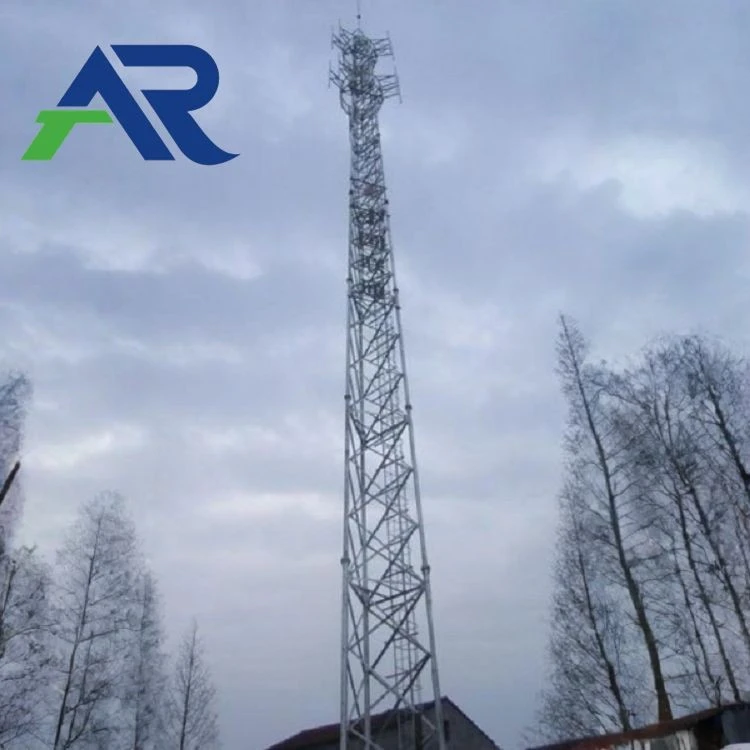
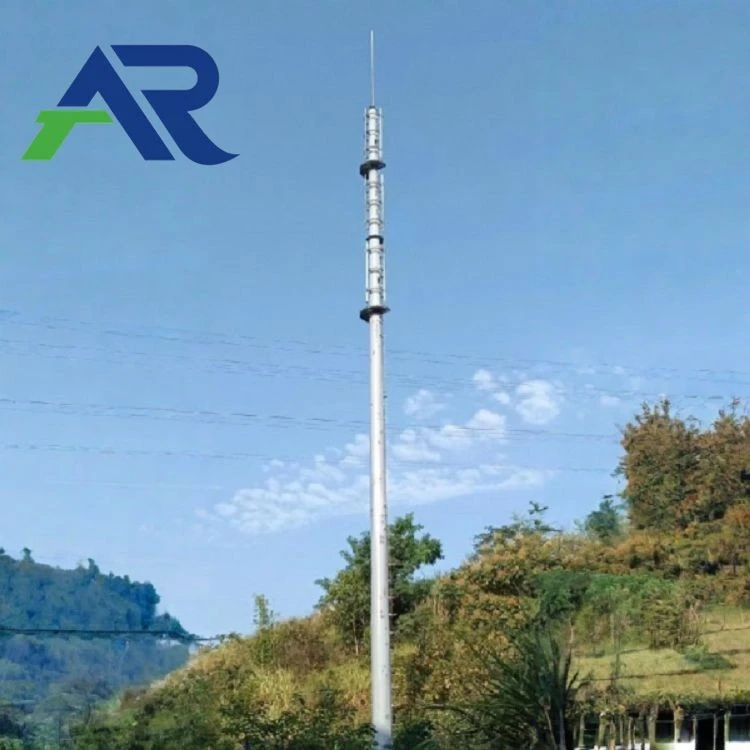
There are several common structural configurations for iron towers, such as lattice towers and tubular towers. Lattice towers are made up of a framework of steel members, which provides excellent strength while using less material compared to solid structures. They are often used for high - voltage electrical transmission due to their ability to support heavy loads over long spans. Tubular towers, on the other hand, have a more streamlined appearance and are commonly used for communication purposes, as they can provide a stable platform for antennas and are less obstructive to the surrounding environment.
Load Calculation
Engineers calculate various loads that the tower will experience during its lifespan. These include dead loads (the weight of the tower itself), live loads (such as the weight of equipment and maintenance personnel), wind loads, snow loads, and seismic loads. By accurately calculating these loads, the tower can be designed to safely withstand them. For example, the wind load is calculated based on the tower's shape, height, and the wind speed in the area. The snow load depends on the local snowfall patterns and the surface area of the tower that can accumulate snow.
Foundation Design
The foundation is the base of the iron tower, and its design is crucial for the tower's stability. The type of foundation depends on the soil conditions and the tower's load - bearing requirements. Common foundation types include spread footings, pile foundations, and caisson foundations.
Spread footings are used when the soil has sufficient bearing capacity. They are shallow foundations that distribute the tower's load over a large area of the soil. Pile foundations are used in areas with soft or unstable soil. Piles are driven deep into the ground to transfer the load to a more stable layer of soil or rock. Caisson foundations are large, deep - seated foundations that are often used for very tall or heavy towers. They are constructed by excavating a large hole in the ground and filling it with concrete or other suitable materials.
Safety and Maintenance Considerations
Safety is of utmost importance in iron tower design. The tower must be designed to prevent accidents such as collapses, electrical shocks (for electrical towers), and falls (for maintenance personnel). Guardrails, safety platforms, and proper grounding systems are incorporated into the design.
Maintenance is also a key consideration. The tower should be designed in a way that allows easy access for maintenance and inspection. This includes providing access ladders, platforms, and hatches. Additionally, the materials and coatings used should be durable and require minimal maintenance over the tower's lifespan.
Regulatory and Environmental Compliance
Iron tower design must comply with various local, national, and international regulations. These regulations cover aspects such as structural safety, electrical safety, environmental impact, and land use. For example, in some areas, there are strict regulations regarding the height and appearance of communication towers to minimize their visual impact on the surrounding landscape.
Environmental considerations are also important. The design should aim to minimize the tower's impact on the environment, such as avoiding sensitive habitats and reducing the use of non - renewable resources. Sustainable design practices, such as using recycled materials and energy - efficient construction methods, are becoming increasingly important in the industry.
Advanced Design Tools
In modern iron tower design, advanced computer - aided design (CAD) and finite element analysis (FEA) software are used. CAD software allows engineers to create detailed 3D models of the tower, which can be used to visualize the design, perform interference checks, and generate accurate construction drawings. FEA software is used to analyze the structural behavior of the tower under different loads. It can predict how the tower will deform, stress, and strain, allowing engineers to optimize the design and ensure its safety.
Quality Control and Testing
During the design process, strict quality control measures are implemented. This includes reviewing the design calculations, conducting peer reviews, and performing model testing. Physical models of the tower may be built and tested in a laboratory to validate the design assumptions and ensure that the tower can withstand the expected loads.
Once the tower is manufactured, it undergoes a series of tests before being shipped to the construction site. These tests include material testing, dimensional checks, and load testing. Only after passing these tests is the tower considered ready for installation.
Conclusion
Designing an iron tower is a multi - faceted process that involves a combination of engineering expertise, site - specific knowledge, and compliance with various regulations. At our company, we are committed to providing high - quality iron towers that meet the unique needs of our clients. Whether you need an Electrical Tower For Electricity Transmission or a Communication Tower Building, we have the experience and capabilities to design and supply the right solution for you.
If you are interested in purchasing iron towers for your project, we invite you to contact us for a detailed discussion. Our team of experts will work closely with you to understand your requirements and provide you with a customized design and a competitive quote.
References
- "Structural Engineering Handbook" by S. Ramamrutham
- "Wind Engineering for Structural Design" by Alan G. Davenport
- Local and national building codes and regulations related to iron tower construction.