

Hey there! I'm a supplier of Electric Power Towers, and today I wanna chat about how these massive structures are maintained. Electric power towers are crucial for transmitting electricity over long distances, and proper maintenance is key to ensuring they work safely and efficiently.
Why Maintenance is a Big Deal
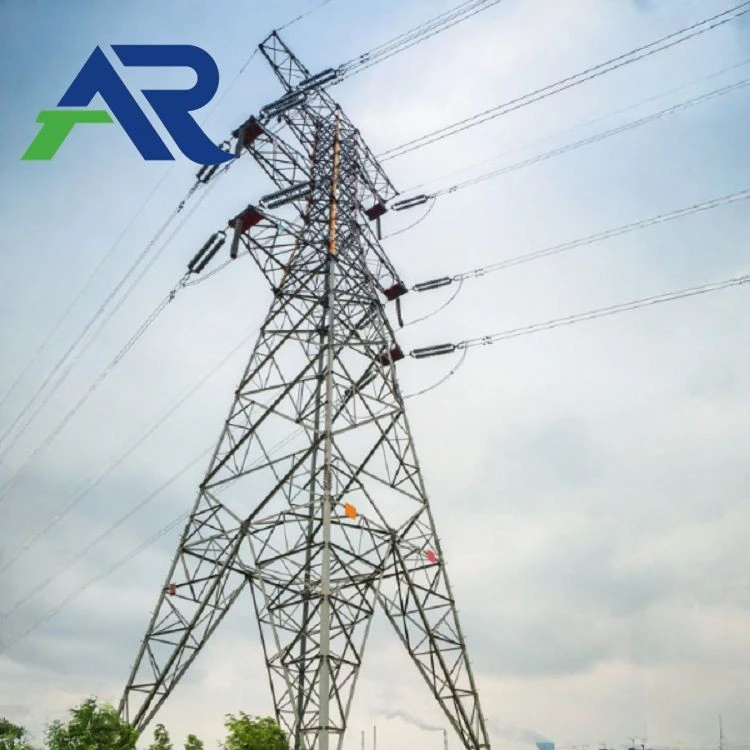
First off, let's talk about why maintenance is so important. Electric power towers are constantly exposed to all kinds of weather conditions, from scorching sun to freezing snow and powerful winds. Over time, this exposure can cause wear and tear on the towers. Corrosion, for example, is a major issue. If left unchecked, it can weaken the tower's structure, making it more prone to collapse. And we all know that a collapsed tower can lead to power outages, which can be a real headache for everyone, from households to industries.
Another reason for maintenance is to prevent electrical problems. Faulty insulators, loose connections, or damaged conductors can lead to electrical arcing, which not only wastes energy but can also pose a safety hazard. Regular maintenance helps identify and fix these issues before they turn into major problems.
Types of Maintenance
There are generally three types of maintenance for electric power towers: preventive, corrective, and predictive.
Preventive Maintenance
Preventive maintenance is all about taking action before a problem occurs. This involves regular inspections and routine tasks to keep the tower in good condition. Inspectors will climb the tower or use drones to check for signs of damage, such as cracks in the steel structure, loose bolts, or worn-out insulators. They'll also clean the insulators to remove dirt and debris that could affect their performance.
One important aspect of preventive maintenance is corrosion protection. Most electric power towers are made of steel, which is prone to rusting. To prevent this, the towers are often coated with a protective layer, such as zinc or paint. Over time, this coating can wear off, so it needs to be reapplied periodically.
Corrective Maintenance
Corrective maintenance, on the other hand, is done when a problem has already been detected. This could be a broken insulator, a damaged conductor, or a structural issue. Once the problem is identified, the maintenance team will take steps to fix it. This might involve replacing the faulty component, repairing the damage, or tightening loose connections.
Corrective maintenance can be more expensive and time-consuming than preventive maintenance, but it's necessary to keep the tower operating safely. In some cases, the tower may need to be taken out of service temporarily to carry out the repairs.
Predictive Maintenance
Predictive maintenance is a relatively new approach that uses data and analytics to predict when maintenance is needed. By monitoring the tower's performance and condition over time, engineers can identify patterns and trends that indicate potential problems. For example, if the temperature of a particular component is rising steadily, it could be a sign of a developing issue.
Predictive maintenance allows for more efficient use of resources, as maintenance can be scheduled based on actual need rather than on a fixed schedule. It also helps reduce the risk of unexpected failures, which can be costly and disruptive.
Maintenance Process
Now, let's take a closer look at the maintenance process. It usually starts with an inspection, which can be done visually or using specialized equipment.
Inspection
As I mentioned earlier, inspections can be carried out by climbing the tower or using drones. Climbing the tower allows for a more detailed inspection, as the inspector can get up close and personal with the structure. However, it's also more dangerous and time-consuming. Drones, on the other hand, can quickly cover a large area and provide high-resolution images and videos of the tower.
During the inspection, the inspector will look for a variety of things, including:
- Structural Integrity: Check for cracks, deformation, or corrosion in the steel structure.
- Insulators: Look for signs of damage, such as cracks, chips, or contamination.
- Conductors: Check for loose connections, broken strands, or signs of overheating.
- Hardware: Inspect bolts, nuts, and other hardware for tightness and corrosion.
Testing
In addition to visual inspections, some components of the tower may need to be tested. For example, insulators can be tested for their electrical resistance to ensure they're functioning properly. Conductors can be tested for their continuity and conductivity.
Testing is usually done using specialized equipment, such as insulation resistance testers and megohmmeters. The results of the tests can help identify potential problems and determine the appropriate course of action.
Repair and Replacement
If any issues are found during the inspection or testing, the maintenance team will need to carry out repairs or replacements. This could involve anything from tightening a loose bolt to replacing a damaged insulator or conductor.
When replacing components, it's important to use high-quality parts that are compatible with the tower's design. This ensures that the tower will continue to operate safely and efficiently.
Challenges in Maintenance
Maintaining electric power towers isn't without its challenges. One of the biggest challenges is access. Many towers are located in remote or difficult-to-reach areas, such as mountains, forests, or swamps. This can make it difficult and expensive to transport equipment and personnel to the site.
Another challenge is safety. Climbing a tower is a dangerous job, and there's always a risk of falls, electrical shocks, or other accidents. To minimize these risks, maintenance workers must follow strict safety procedures and wear appropriate safety gear.
Weather conditions can also pose a challenge. High winds, heavy rain, or extreme temperatures can make it difficult or impossible to carry out maintenance tasks. In some cases, maintenance may need to be postponed until the weather improves.
Conclusion
Maintaining electric power towers is a complex and important task. By following a comprehensive maintenance plan that includes preventive, corrective, and predictive maintenance, we can ensure that these structures continue to operate safely and efficiently for many years to come.
As a supplier of Electric Power Tower, Iron Towers, and Electrical Tower, we understand the importance of providing high-quality products and supporting our customers with maintenance and technical advice. If you're in the market for electric power towers or need help with maintenance, don't hesitate to reach out. We're here to help you keep your power infrastructure in top shape.
References
- Electrical Power Transmission System Engineering: Analysis and Design, by Turan Gonen
- Power System Engineering, by John J. Grainger and William D. Stevenson Jr.
- Maintenance Management in the Electric Power Industry, by J. Paulo Davim