
Landscape chimneys, those towering structures that dot the industrial and sometimes even the idyllic rural landscapes, have long been a subject of both fascination and indifference. As a landscape chimney supplier, I've had the unique opportunity to delve deep into the world of these architectural wonders, exploring their functionality, aesthetics, and, most intriguingly, their historical significance. In this blog post, I aim to shed light on whether landscape chimneys hold any historical value and how they have shaped our world over the centuries.
The Origins of Landscape Chimneys
The story of landscape chimneys dates back to the early days of industrialization. As the world transitioned from an agrarian society to an industrial one, the need for efficient ways to remove smoke and fumes from factories became paramount. The chimney, with its simple yet effective design, emerged as the solution. It worked on the principle of the natural draft, where hot air rises, pulling smoke and pollutants up and out of the building. This not only improved the air quality inside the factories but also reduced the risk of fire and explosion.
The first chimneys were relatively small and simple, often made of brick or stone. They were primarily used in homes and small workshops. However, as the industrial revolution gained momentum, factories grew larger and more complex, and so did the chimneys. These industrial chimneys were designed to be taller and wider to accommodate the increased volume of smoke and fumes. They became a symbol of progress and industrial might, standing as a testament to human ingenuity and innovation.
Landscape Chimneys as a Symbol of Industrialization
During the 19th and early 20th centuries, landscape chimneys were synonymous with industrialization. They were a common sight in cities and towns across the globe, particularly in areas with a strong manufacturing base. In places like Manchester, England, known as the "Cottonopolis," the skyline was dominated by rows upon rows of towering chimneys. These chimneys were the lifeblood of the textile industry, powered by coal-fired steam engines that drove the looms and machinery.
The presence of these chimneys had a profound impact on the social and economic fabric of these communities. They provided jobs for thousands of workers, from miners and factory workers to chimney sweeps and maintenance crews. The industrial growth spurred by the chimneys led to urbanization, as people flocked to the cities in search of employment. However, it also came at a cost. The smoke and pollutants emitted by the chimneys contributed to air pollution, which led to health problems for the residents. The sooty haze that hung over the cities became a symbol of the dark side of industrialization.
The Architectural and Aesthetic Value of Landscape Chimneys
Beyond their functional and symbolic significance, landscape chimneys also have architectural and aesthetic value. Many chimneys were designed with great care and attention to detail, featuring ornate facades, decorative elements, and unique shapes. Some chimney designs were inspired by classical architecture, with columns, arches, and pediments. Others were more modern and minimalist, reflecting the changing architectural trends of the time.
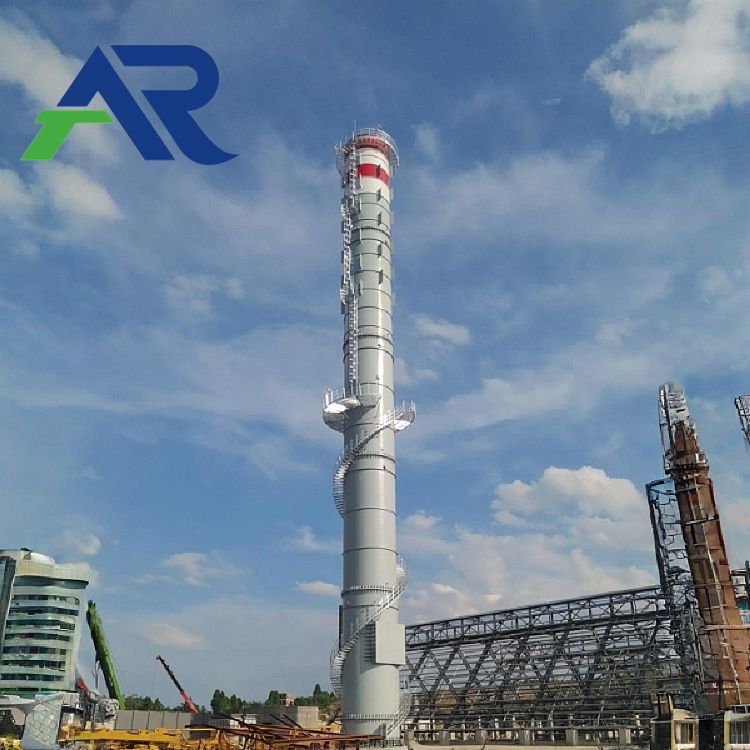
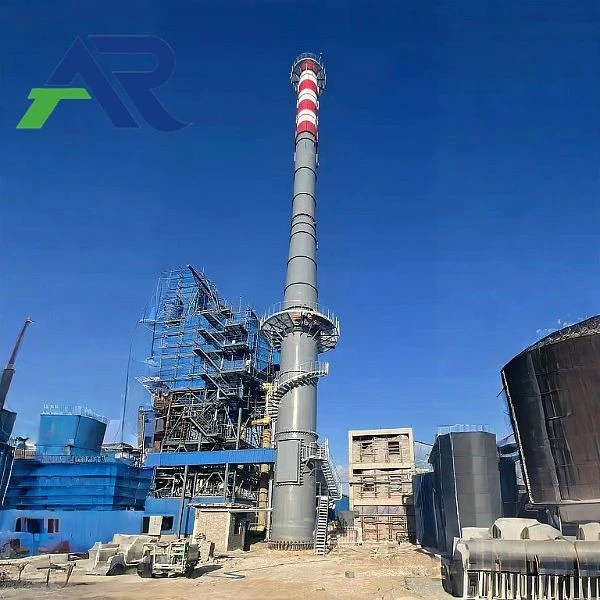
In addition to their individual beauty, landscape chimneys also contributed to the overall aesthetic of the cityscape. They added a sense of scale and grandeur to the skyline, creating a dramatic and imposing visual effect. Even today, many cities around the world are known for their iconic chimneys, which have become cultural landmarks and tourist attractions. For example, the chimneys of the Battersea Power Station in London are instantly recognizable and have been featured in numerous films, television shows, and works of art.
The Preservation of Landscape Chimneys
As industries have evolved and environmental regulations have become more stringent, many landscape chimneys have fallen into disuse. Some have been demolished to make way for new development, while others have been left to decay. However, there is a growing movement to preserve these historical structures. Preservationists argue that landscape chimneys are an important part of our cultural heritage and should be protected for future generations.
In many cases, preserving a landscape chimney can have economic benefits as well. Converting a disused chimney into a museum, art gallery, or residential space can revitalize a neighborhood and attract visitors. It can also help to preserve the character and identity of a city or town. For example, in the United States, the Pack Square Park in Asheville, North Carolina, features a restored chimney that serves as a focal point for the park and a reminder of the city's industrial past.
The Role of Landscape Chimneys in Environmental History
Landscape chimneys also play an important role in environmental history. They are a visible reminder of the environmental impact of industrialization and the need for sustainable development. The smoke and pollutants emitted by the chimneys contributed to air pollution, acid rain, and global warming. However, they also spurred the development of technologies and regulations to reduce pollution.
Today, modern chimneys are designed to be more efficient and environmentally friendly. They use advanced filtration systems to remove harmful pollutants from the smoke before it is released into the atmosphere. Some chimneys are even equipped with renewable energy technologies, such as solar panels or wind turbines, to reduce their carbon footprint.
Conclusion: The Historical Significance of Landscape Chimneys
In conclusion, landscape chimneys have significant historical value. They are a tangible link to our industrial past, a symbol of progress and innovation, and a testament to human ingenuity. Their architectural and aesthetic features add to the beauty and character of our cities and towns. Moreover, they serve as a reminder of the environmental challenges we have faced and the need for sustainable development.
As a landscape chimney supplier, I am proud to be part of an industry that has a rich historical heritage. I believe that by preserving and celebrating these structures, we can learn from the past and create a more sustainable future. If you are interested in purchasing landscape chimneys for your project, whether it's a new industrial building, a restoration project, or a unique architectural design, please don't hesitate to [reach out]. We offer a wide range of chimney types, including the Chimney in Factory, Multi-sleeve Chimney, and Titanium Steel Composite Plate Chimney. Let's work together to bring your vision to life and celebrate the historical significance of landscape chimneys.
References
- Black, J. (Ed.). (2010). The Oxford Companion to the Industrial Revolution. Oxford University Press.
- Hughes, T. P. (1983). Networks of Power: Electrification in Western Society, 1880 - 1930. Johns Hopkins University Press.
- Nye, D. E. (1997). American Technological Sublime. MIT Press.