
Hey there! As a supplier of free standing chimneys, I often get asked this question: "Do free standing chimneys need a spark arrestor?" Well, let's dig into this topic and find out.
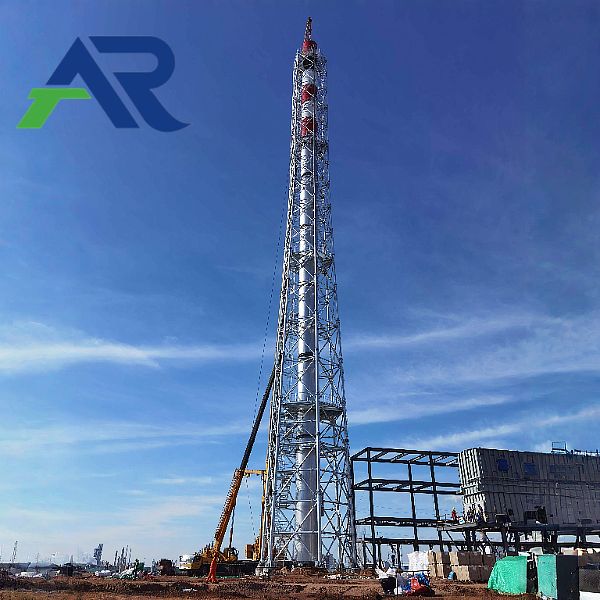
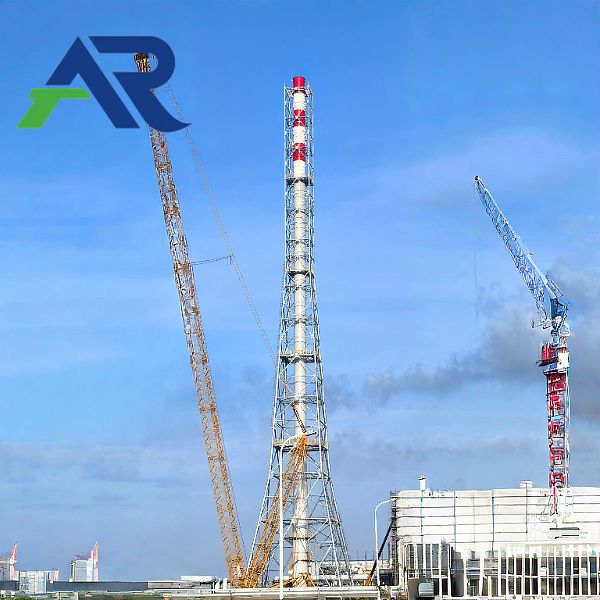
First off, what exactly is a free standing chimney? It's a chimney that stands on its own, without relying on a building for support. We offer a variety of free standing chimneys, like the Stainless Steel Factory Chimney, the Single Sleeve Chimney, and the Multi-sleeve Chimney. These chimneys are used in different settings, from industrial factories to small workshops.
Now, let's talk about spark arrestors. A spark arrestor is a device that's installed at the top of a chimney to prevent sparks and embers from escaping. You might be wondering why that's important. Well, those little sparks can be a real fire hazard. If they land on dry grass, leaves, or other flammable materials, they can start a fire in no time.
In many areas, there are actually laws and regulations that require the use of spark arrestors on chimneys. This is especially true in wildfire-prone regions. So, if you're in an area where these regulations apply, you definitely need to have a spark arrestor on your free standing chimney. It's not just a good idea; it's the law.
But even if you're not in a regulated area, it's still a smart move to use a spark arrestor. Think about it. You don't want to be the cause of a wildfire or a fire in your own backyard. A spark arrestor provides an extra layer of safety and peace of mind.
Another thing to consider is the type of fuel you're using in your chimney. If you're burning wood, coal, or other solid fuels, there's a higher chance of sparks being produced. In this case, a spark arrestor is almost a must. These fuels tend to create more embers and sparks as they burn, and without a spark arrestor, they can easily escape the chimney.
On the other hand, if you're using natural gas or propane, the risk of sparks is much lower. However, it's still possible for small sparks to occur, especially if there's an issue with the burner or the combustion process. So, even with these fuels, a spark arrestor can be a good addition to your chimney.
Now, let's talk about the different types of spark arrestors. There are two main types: mesh spark arrestors and baffle spark arrestors.
Mesh spark arrestors are made of a fine wire mesh that covers the top of the chimney. The mesh is designed to catch the sparks and embers while still allowing smoke and gases to pass through. They're relatively inexpensive and easy to install. However, they do need to be cleaned regularly to prevent clogging. If the mesh gets clogged, it can restrict the flow of smoke and cause problems with the chimney's performance.
Baffle spark arrestors, on the other hand, use a series of baffles or plates to redirect the flow of smoke and trap the sparks. They're generally more effective at preventing sparks from escaping, but they can be more expensive and complex to install.
When choosing a spark arrestor for your free standing chimney, you need to make sure it's the right size and type for your chimney. You don't want a spark arrestor that's too small or too large. If it's too small, it won't cover the entire opening of the chimney, and sparks can still get out. If it's too large, it might not fit properly and could cause other issues.
You also need to consider the quality of the spark arrestor. A cheap, poorly-made spark arrestor might not do the job effectively. Look for a spark arrestor that's made from high-quality materials and has a good reputation.
As a free standing chimney supplier, I can tell you that we always recommend using a spark arrestor. It's an important part of keeping your chimney safe and compliant with regulations. We can help you choose the right spark arrestor for your specific chimney and needs.
If you're in the market for a free standing chimney or a spark arrestor, we'd love to hear from you. Whether you're a homeowner, a business owner, or an industrial operator, we have the products and expertise to meet your needs. Just reach out to us, and we'll be happy to assist you with your purchase and answer any questions you might have.
In conclusion, free standing chimneys often need a spark arrestor. Whether it's because of legal requirements, safety concerns, or the type of fuel you're using, a spark arrestor is a valuable addition to your chimney. It can prevent fires, protect your property, and give you the peace of mind you deserve. So, if you haven't already, consider getting a spark arrestor for your free standing chimney.
References
- National Fire Protection Association (NFPA) standards on chimney safety
- Local fire department regulations and guidelines