

Do double - layer insulation chimneys meet safety standards?
As a supplier of double - layer insulation chimneys, I am frequently asked about the safety standards of our products. In this blog, I will delve into the details to explain why double - layer insulation chimneys are not only a reliable choice but also meet strict safety standards.

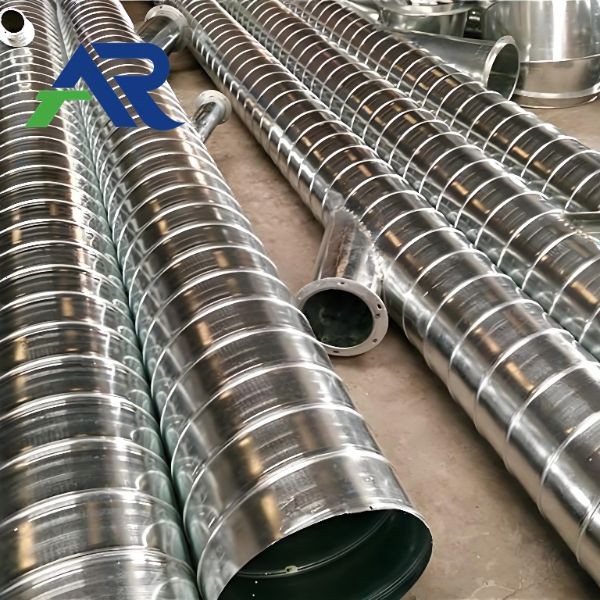
Understanding Double - Layer Insulation Chimneys
Double - layer insulation chimneys consist of an inner layer and an outer layer, with an insulating material sandwiched in between. The inner layer is typically made of a heat - resistant material that can withstand the high temperatures generated by the combustion process. The outer layer provides protection and structural support, while the insulation layer helps to reduce heat transfer to the surrounding environment.
One of the key benefits of double - layer insulation chimneys is their ability to maintain a consistent temperature within the chimney. This is crucial for preventing the formation of condensation, which can lead to corrosion and other issues. By keeping the inner surface of the chimney warm, the risk of creosote buildup is also minimized. Creosote is a highly flammable substance that can accumulate in chimneys over time and pose a significant fire hazard.
Safety Standards and Regulations
There are numerous safety standards and regulations in place for chimneys, both at the national and international levels. These standards are designed to ensure the safety of users and the surrounding environment. For double - layer insulation chimneys, these standards cover a wide range of aspects, including materials, construction, installation, and maintenance.
In terms of materials, the inner and outer layers of the chimney must be made of materials that are suitable for the intended use. For example, the inner layer should be able to withstand high temperatures without degrading, while the outer layer should be resistant to weathering and physical damage. The insulating material must also meet specific requirements for thermal performance and fire resistance.
Construction standards dictate how the chimney should be assembled. This includes the thickness of the layers, the quality of the joints, and the overall structural integrity of the chimney. Proper installation is also essential for meeting safety standards. Installers must follow the manufacturer's instructions carefully, ensuring that the chimney is correctly aligned, supported, and sealed.
Maintenance is another important aspect of chimney safety. Regular inspections and cleaning are necessary to detect and address any potential issues before they become serious. Double - layer insulation chimneys are generally easier to maintain than single - layer chimneys, as the insulation layer helps to protect the inner surface from damage and corrosion.
Real - World Applications and Case Studies
To illustrate the safety and effectiveness of double - layer insulation chimneys, let's look at some real - world applications. In industrial settings, double - layer insulation chimneys are commonly used in factories to vent the exhaust gases from industrial processes. These chimneys need to be able to handle high temperatures and large volumes of exhaust gases safely.
For example, Victorian Factory Chimneys often require reliable chimney systems to ensure the efficient operation of the factory. Double - layer insulation chimneys provide the necessary insulation and durability to meet these requirements. They help to reduce heat loss, which can lead to energy savings, and also minimize the risk of fire and other safety hazards.
In residential applications, double - layer insulation chimneys are used in homes with fireplaces or wood - burning stoves. These chimneys help to prevent heat from escaping into the attic or other parts of the house, which can improve energy efficiency. They also reduce the risk of chimney fires by keeping the inner surface of the chimney warm and preventing creosote buildup.
Another type of chimney that is related to double - layer insulation chimneys is the Corrugated Pipe Chimney. While corrugated pipe chimneys have their own unique features and applications, they also need to meet safety standards. Double - layer insulation chimneys, with their superior insulation and safety features, can be a better choice in many situations.
Comparison with Other Chimney Types
When comparing double - layer insulation chimneys with other types of chimneys, such as single - layer chimneys or Chimney For Factory, it becomes clear that double - layer insulation chimneys offer several advantages in terms of safety.
Single - layer chimneys are more prone to heat transfer, which can lead to higher energy consumption and a greater risk of fire. They are also more likely to develop condensation and creosote buildup, as the inner surface of the chimney can cool down quickly. In contrast, double - layer insulation chimneys maintain a more stable temperature, reducing these risks.
In industrial settings, some traditional factory chimneys may not have the same level of insulation as double - layer insulation chimneys. This can result in heat loss, which is not only wasteful but can also pose a safety risk if the chimney comes into contact with flammable materials. Double - layer insulation chimneys address these issues by providing better insulation and reducing the surface temperature of the chimney.
Ensuring Compliance and Quality Assurance
As a supplier of double - layer insulation chimneys, we are committed to ensuring that our products meet the highest safety standards. We work closely with independent testing laboratories to have our chimneys tested and certified. Our manufacturing processes are also subject to strict quality control measures to ensure that each chimney is built to last and meet all relevant safety requirements.
We provide detailed installation instructions and offer training to installers to ensure that the chimneys are installed correctly. We also offer after - sales support, including maintenance advice and assistance, to help our customers keep their chimneys in good working condition.
Conclusion
In conclusion, double - layer insulation chimneys do meet safety standards. They are designed and manufactured to comply with national and international regulations, and they offer numerous safety benefits over other types of chimneys. Whether in industrial or residential applications, double - layer insulation chimneys provide reliable performance, energy efficiency, and peace of mind.
If you are in the market for a chimney system, I encourage you to consider double - layer insulation chimneys. Our team of experts is ready to assist you in choosing the right chimney for your specific needs. Contact us today to start the procurement and installation process, and let us help you ensure the safety and efficiency of your chimney system.
References
- National Fire Protection Association (NFPA). Chimney, Fireplace, and Ventilation Systems Code.
- International Building Code (IBC). Requirements for Chimneys and Vents.
- Manufacturer's specifications and installation manuals for double - layer insulation chimneys.