
Can a multi - sleeve chimney be used in a tiny house?
As a supplier of Multi-sleeve Chimney, I often get asked whether a multi - sleeve chimney can be used in a tiny house. This is a valid question, considering the unique space constraints and specific requirements of tiny houses. In this blog, I'll delve into the feasibility, advantages, and potential challenges of using a multi - sleeve chimney in a tiny house.
Understanding Multi - Sleeve Chimneys
Before we discuss their suitability for tiny houses, let's understand what multi - sleeve chimneys are. A multi - sleeve chimney consists of multiple concentric sleeves. These sleeves can serve different purposes, such as providing insulation, allowing for the venting of different types of fuels, or enhancing the overall efficiency of the chimney system. Compared to a Single Sleeve Chimney, which has only one layer, multi - sleeve chimneys offer more functionality and flexibility.
One of the key features of multi - sleeve chimneys is their ability to handle different types of combustion products. For example, in a setup where you have a wood - burning stove and a gas - fired water heater in the same tiny house, a multi - sleeve chimney can be configured to vent the exhaust gases from both appliances separately, reducing the risk of cross - contamination and ensuring safe operation.
Advantages of Using a Multi - Sleeve Chimney in a Tiny House
Space Efficiency
Tiny houses are all about making the most of limited space. A multi - sleeve chimney can be a great space - saver in this regard. Instead of installing multiple single - sleeve chimneys for different appliances, a single multi - sleeve chimney can serve multiple functions. This means less wall space and floor space is occupied by the chimney system, leaving more room for living areas, storage, or other essential features in the tiny house.
Improved Insulation
The multiple sleeves in a multi - sleeve chimney can be designed to provide better insulation compared to a single - sleeve chimney. This is crucial in a tiny house, where maintaining a comfortable indoor temperature is essential. The insulation helps to reduce heat loss from the chimney, which in turn means less energy is wasted in heating the house. Additionally, it can prevent the outer surface of the chimney from getting too hot, reducing the risk of fire hazards and protecting the surrounding building materials.
Flexibility for Future Upgrades
Tiny house owners often like to make changes and upgrades to their homes over time. A multi - sleeve chimney offers the flexibility to add new appliances or change the existing ones without having to completely overhaul the chimney system. For example, if you decide to add a pellet stove in the future, a multi - sleeve chimney can be easily adapted to accommodate the new appliance's exhaust requirements.
Challenges of Using a Multi - Sleeve Chimney in a Tiny House
Installation Complexity
Installing a multi - sleeve chimney is generally more complex than installing a single - sleeve chimney. In a tiny house, where space is already limited, the installation process can be even more challenging. It requires careful planning and precise measurements to ensure that the chimney fits properly and is installed safely. Professional installation is highly recommended to avoid any potential safety issues or performance problems.
Cost
Multi - sleeve chimneys are typically more expensive than single - sleeve chimneys. The additional materials and manufacturing processes involved in creating the multiple sleeves contribute to the higher cost. In a tiny house budget, where every dollar counts, the cost of a multi - sleeve chimney can be a significant factor. However, it's important to consider the long - term benefits and potential savings in terms of energy efficiency and flexibility when evaluating the cost.
Compatibility with Building Codes
Tiny houses are subject to building codes and regulations, just like traditional houses. When using a multi - sleeve chimney, it's essential to ensure that it complies with all relevant codes. Some building codes may have specific requirements regarding the installation, ventilation, and safety features of multi - sleeve chimneys. Failing to meet these requirements can result in fines, delays in obtaining permits, or even the need to remove and replace the chimney system.
Considerations for Installation in a Tiny House
Sizing
Proper sizing of the multi - sleeve chimney is crucial for its efficient and safe operation. The size of the chimney should be based on the heat output and exhaust requirements of the appliances it will serve. In a tiny house, where the appliances are often smaller in size compared to those in a traditional house, the chimney also needs to be appropriately sized. An oversized chimney can lead to poor draft and inefficient combustion, while an undersized chimney can cause back - drafting and the accumulation of dangerous gases inside the house.
Location
The location of the multi - sleeve chimney in the tiny house is also an important consideration. It should be placed in a position that allows for easy access for maintenance and inspection. At the same time, it should be located away from flammable materials and in an area where it won't interfere with the normal use of the living space. Additionally, the chimney should be installed in a way that ensures proper ventilation and minimizes the risk of downdrafts.
Safety Considerations
Safety is of utmost importance when using any chimney system, especially in a tiny house. Here are some key safety considerations when using a multi - sleeve chimney:
Regular Maintenance
Regular maintenance of the multi - sleeve chimney is essential to ensure its safe and efficient operation. This includes cleaning the chimney regularly to remove any creosote buildup, inspecting the seals and joints for leaks, and checking the overall structural integrity of the chimney. In a tiny house, where the living space is in close proximity to the chimney, any safety issues can have more immediate and serious consequences.
Carbon Monoxide Detection
Since a multi - sleeve chimney can vent exhaust gases from different appliances, it's important to install carbon monoxide detectors in the tiny house. Carbon monoxide is a colorless, odorless gas that can be produced by incomplete combustion in appliances. Detectors can alert you to the presence of carbon monoxide, allowing you to take immediate action to prevent carbon monoxide poisoning.
Conclusion
In conclusion, a multi - sleeve chimney can be a viable option for a tiny house. It offers several advantages, such as space efficiency, improved insulation, and flexibility for future upgrades. However, it also comes with some challenges, including installation complexity, cost, and compliance with building codes. If you're considering using a multi - sleeve chimney in your tiny house, it's important to weigh the pros and cons carefully and consult with a professional chimney installer.
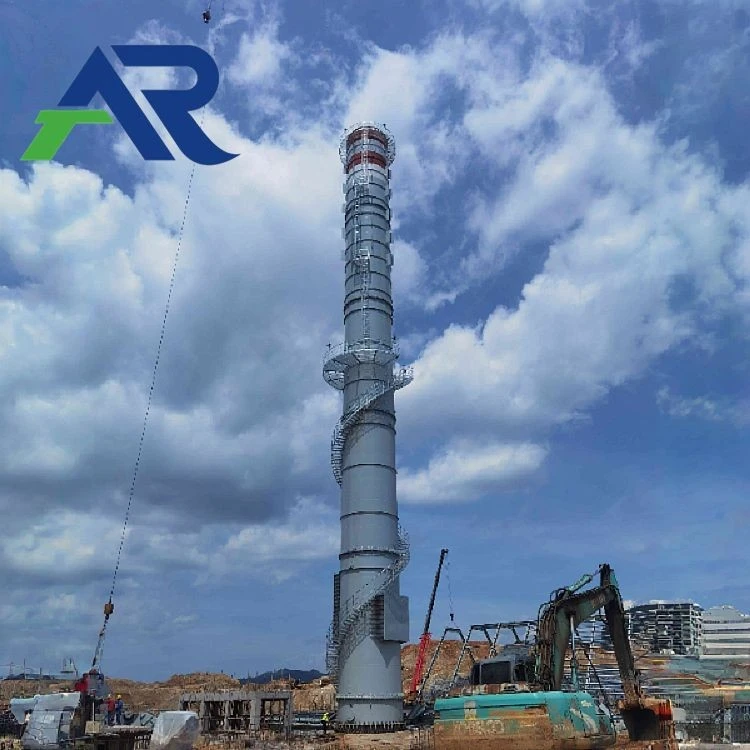
At our company, we specialize in providing high - quality Multi-sleeve Chimney solutions. Our team of experts can help you determine the best chimney system for your tiny house based on your specific needs and requirements. We also offer a range of Stainless Steel Factory Chimney options that are durable, corrosion - resistant, and suitable for various applications.
If you're interested in learning more about our multi - sleeve chimney products or would like to discuss your project in detail, we encourage you to reach out to us. Our knowledgeable staff is ready to assist you with any questions you may have and guide you through the procurement process.

References
- "Chimney Safety Institute of America (CSIA) Standards and Guidelines"
- "International Residential Code (IRC) for One - and Two - Family Dwellings"
- "Manufacturer's Installation Manuals for Multi - Sleeve Chimneys"