

In the industrial landscape, tower chimneys play a crucial role in expelling waste gases and maintaining air quality within factories and industrial complexes. As a leading tower chimney supplier, I often encounter questions from clients regarding safety distances for tower chimneys. This topic is of utmost importance as it directly impacts the safety of nearby structures, personnel, and the environment. In this blog post, I will delve into the concept of safety distances for tower chimneys, exploring the factors that influence them and the regulations that govern them.
Understanding the Importance of Safety Distances
Safety distances for tower chimneys are established to mitigate the potential risks associated with their operation. These risks include the dispersion of pollutants, the impact of heat radiation, and the structural integrity of nearby buildings. By maintaining an appropriate safety distance, we can minimize the adverse effects of chimney emissions on human health and the environment, as well as prevent damage to surrounding infrastructure.
One of the primary concerns related to tower chimneys is the dispersion of pollutants. Chimneys release a variety of pollutants into the atmosphere, including particulate matter, sulfur dioxide, nitrogen oxides, and volatile organic compounds. These pollutants can have detrimental effects on human health, causing respiratory problems, heart disease, and even cancer. Additionally, they can contribute to environmental issues such as acid rain, smog, and climate change. By maintaining a sufficient safety distance, we can ensure that these pollutants are dispersed over a larger area, reducing their concentration and minimizing their impact on nearby communities.
Another important factor to consider is the impact of heat radiation. Tower chimneys can generate significant amounts of heat, especially those used in high-temperature industrial processes such as power generation and steel manufacturing. This heat radiation can pose a risk to nearby structures, potentially causing damage to buildings, equipment, and vegetation. By maintaining an appropriate safety distance, we can reduce the intensity of heat radiation and prevent thermal damage to surrounding areas.
Finally, safety distances are also important for ensuring the structural integrity of nearby buildings. Tower chimneys are typically tall and slender structures, and they can be subject to wind loads, seismic activity, and other external forces. These forces can cause the chimney to sway or vibrate, potentially leading to structural failure. By maintaining a sufficient safety distance, we can reduce the risk of damage to nearby buildings in the event of a chimney collapse.
Factors Influencing Safety Distances
The determination of safety distances for tower chimneys is a complex process that takes into account a variety of factors. These factors include the height and diameter of the chimney, the type and quantity of pollutants being emitted, the local climate and topography, and the proximity of nearby structures and communities.
The height and diameter of the chimney are important factors in determining the dispersion of pollutants. Taller chimneys generally have a greater dispersion range, as the pollutants are released at a higher altitude and are more likely to be carried away by the wind. Similarly, larger diameter chimneys can release pollutants at a higher flow rate, which can also increase the dispersion range. However, taller and larger chimneys also require a greater safety distance to ensure that the pollutants are dispersed over a sufficient area.
The type and quantity of pollutants being emitted are also important factors in determining safety distances. Different pollutants have different dispersion characteristics and health effects, and the quantity of pollutants being emitted can also vary depending on the type of industrial process being carried out. For example, a chimney emitting large amounts of particulate matter may require a greater safety distance than a chimney emitting only small amounts of pollutants.
The local climate and topography can also have a significant impact on the dispersion of pollutants. Wind speed and direction, temperature, humidity, and precipitation can all affect the movement of pollutants in the atmosphere. In addition, the topography of the area, such as the presence of hills, valleys, or bodies of water, can also influence the dispersion of pollutants. For example, a chimney located in a valley may have a more limited dispersion range than a chimney located on a flat plain.
Finally, the proximity of nearby structures and communities is an important consideration in determining safety distances. Chimneys located near residential areas, schools, hospitals, or other sensitive locations may require a greater safety distance to ensure the health and safety of the nearby population. In addition, the type of structures located nearby, such as buildings, bridges, or power lines, may also influence the safety distance requirements.
Regulations Governing Safety Distances
In many countries, there are regulations and standards in place that govern the design, construction, and operation of tower chimneys, including the establishment of safety distances. These regulations are typically based on scientific research and risk assessments, and they are designed to protect the health and safety of the public and the environment.
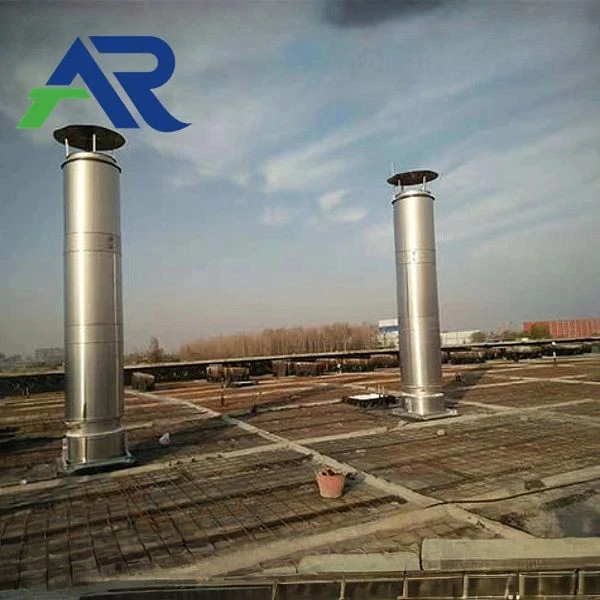
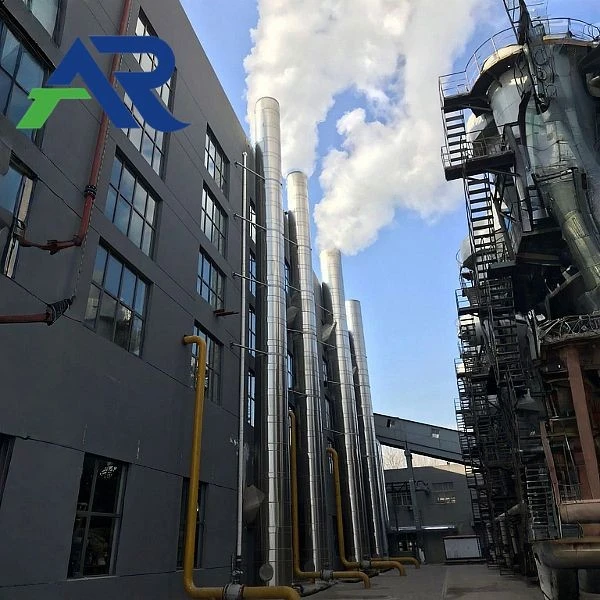
In the United States, for example, the Environmental Protection Agency (EPA) has established regulations under the Clean Air Act that govern the emissions of pollutants from industrial sources, including tower chimneys. These regulations include requirements for the installation of pollution control equipment, the monitoring of emissions, and the establishment of safety distances. In addition, many states and local governments have their own regulations and standards that may be more stringent than the federal regulations.
In the European Union, the Industrial Emissions Directive (IED) sets out requirements for the environmental performance of industrial installations, including tower chimneys. The IED requires member states to establish safety distances for industrial installations based on the type and quantity of pollutants being emitted, the local climate and topography, and the proximity of nearby structures and communities. In addition, the IED requires industrial operators to conduct environmental impact assessments and to implement measures to minimize the environmental impact of their operations.
Our Tower Chimney Products
As a tower chimney supplier, we offer a wide range of high-quality chimney products to meet the needs of our clients. Our products include Titanium Steel Composite Plate Tower Chimney and Fiberglass Tower Chimney.
Our Titanium Steel Composite Plate Tower Chimney is made of a combination of titanium and steel, which provides excellent corrosion resistance and high strength. This type of chimney is suitable for use in harsh environments, such as chemical plants, refineries, and power plants. Our Fiberglass Tower Chimney is made of fiberglass-reinforced plastic (FRP), which is lightweight, durable, and corrosion-resistant. This type of chimney is suitable for use in a variety of applications, including industrial processes, commercial buildings, and residential homes.
Both of our chimney products are designed and manufactured to meet the highest standards of quality and safety. We use advanced manufacturing techniques and materials to ensure that our chimneys are reliable, efficient, and long-lasting. In addition, we offer a range of customization options to meet the specific needs of our clients, including chimney height, diameter, shape, and color.
Contact Us for Procurement and Consultation
If you are interested in purchasing a tower chimney or have any questions about safety distances or our products, please do not hesitate to contact us. Our team of experts is available to provide you with detailed information and guidance on the selection, installation, and maintenance of tower chimneys. We can also help you to determine the appropriate safety distance for your specific application based on the factors discussed in this blog post.
We understand that every client has unique requirements, and we are committed to providing customized solutions that meet your specific needs. Whether you are a small business owner or a large industrial corporation, we have the expertise and resources to help you find the right tower chimney for your application.
References
- Environmental Protection Agency (EPA). (n.d.). Clean Air Act. Retrieved from https://www.epa.gov/clean-air-act-overview
- European Commission. (n.d.). Industrial Emissions Directive (IED). Retrieved from https://ec.europa.eu/environment/industry/legislation/ied.htm
- American Society of Mechanical Engineers (ASME). (n.d.). Boiler and Pressure Vessel Code. Retrieved from https://www.asme.org/codes-standards/find-codes-standards/asme-boiler-pressure-vessel-code