

Are there any international standards for iron tower construction? Well, as an iron tower supplier, I've been in the thick of this industry for quite a while, and it's a question that comes up pretty often. So, let's dig into it and see what's what.
First off, yeah, there are international standards for iron tower construction. These standards are super important because they ensure that iron towers are built safely, reliably, and can withstand all sorts of environmental conditions. One of the most well - known sets of standards comes from the International Electrotechnical Commission (IEC). The IEC has a bunch of standards related to electrical equipment, and that includes iron towers used for electricity transmission. These standards cover things like the design, materials, and installation of the towers.
When it comes to the design, international standards specify the loads that an iron tower should be able to handle. This includes things like wind loads, snow loads, and the weight of the electrical wires or communication equipment it's supposed to support. For example, in areas with high wind speeds, the tower needs to be designed to resist strong gusts without toppling over. Standards also dictate the proper spacing between different parts of the tower to ensure stability.
Materials are another crucial aspect. International standards define the quality and type of steel or other metals that can be used in iron tower construction. The steel needs to have the right strength, corrosion resistance, and ductility. Corrosion is a big deal because iron towers are often exposed to the elements for long periods. If the steel isn't corrosion - resistant enough, it can weaken over time and pose a safety risk. So, standards might require the use of galvanized steel or other protective coatings.
Installation is where the rubber meets the road. International standards lay out the proper procedures for assembling and erecting iron towers. This includes things like the correct way to anchor the tower to the ground, how to connect different sections of the tower, and safety measures for the workers. For instance, workers need to follow strict safety protocols when working at height, and the installation process should be carefully monitored to ensure that everything is done according to the design specifications.
Now, let's talk about the different types of iron towers and how these international standards apply to them.
Communication Tower Building
Communication towers are used to support antennas and other communication equipment. They're all over the place, from urban areas to remote rural locations. When it comes to Communication Tower Building, international standards focus on ensuring that the tower can support the weight of the communication equipment and also withstand environmental factors. For example, the tower needs to be stable enough to prevent any swaying that could disrupt the communication signals. The design might also take into account the need for easy access to the equipment for maintenance purposes.
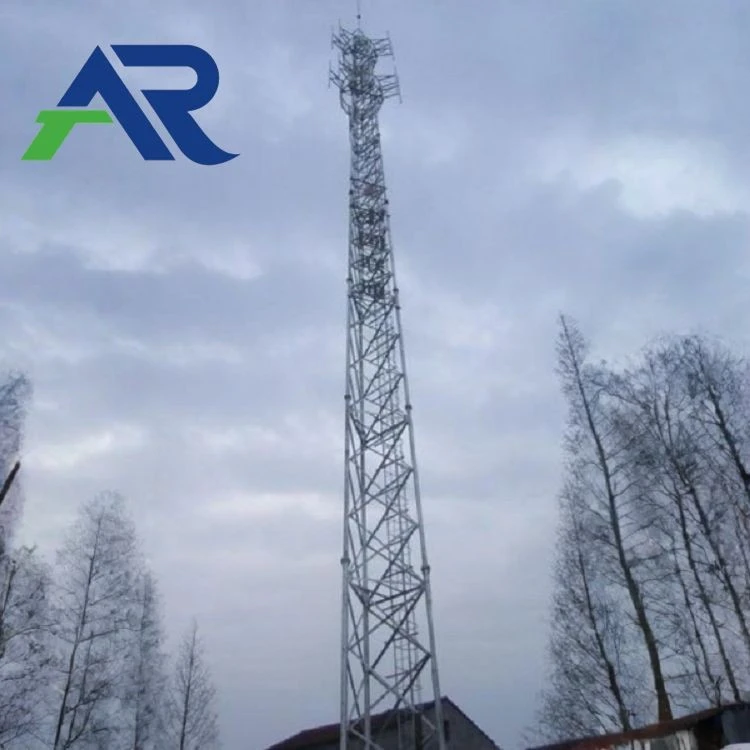

Electrical Tower For Electricity Transmission
Electrical towers are used to carry high - voltage power lines over long distances. Electrical Tower For Electricity Transmission standards are even more stringent because of the high - risk nature of electricity transmission. These towers need to be able to handle the weight of the heavy power lines and also prevent any electrical faults. The insulation materials used in the tower need to meet strict standards to avoid electrical leakage and short - circuits.
Industrial Iron Towers
Industrial iron towers are used in various industrial settings, such as factories or refineries. Industrial Iron Towers might have different requirements depending on the specific industry. For example, in a chemical plant, the tower might need to be resistant to chemical corrosion in addition to the normal environmental factors. International standards help ensure that these towers are built to meet the unique needs of each industrial application.
As an iron tower supplier, we have to make sure that all our products comply with these international standards. It's not just about following the rules; it's about providing our customers with high - quality, safe, and reliable iron towers. When we build a tower, we start with a detailed design that takes into account all the relevant international standards. Then, we source the best materials that meet those standards. Our installation teams are trained to follow the proper procedures, and we have quality control measures in place at every step of the process.
But why should you care about these international standards when you're looking to buy an iron tower? Well, first of all, safety is the number one priority. A tower that meets international standards is less likely to fail, which means it won't put people or property at risk. Second, it ensures the longevity of the tower. A well - built tower that follows the standards will last longer and require less maintenance over its lifespan. And finally, it gives you peace of mind. You know that you're getting a product that has been designed and built to the highest quality standards.
If you're in the market for an iron tower, whether it's a communication tower, an electrical tower for electricity transmission, or an industrial iron tower, don't hesitate to reach out. We're here to help you find the right tower for your needs, built to the highest international standards. We can work with you on the design, provide you with a detailed quote, and ensure a smooth installation process. So, if you have any questions or are ready to start a project, just let us know. We're looking forward to working with you!
References
- International Electrotechnical Commission (IEC) Standards
- Industry publications on iron tower construction
- Research papers on materials and safety in iron tower design